Zonix Motor
Zonix Motor
Zonix Motor
In the landscape of modern automation, precision is no longer a luxury—it is the baseline metric of engineering survival. As global industries move rapidly toward smart edge devices, robotics, and medical miniaturization, the demand for highly reliable micro-positioning hardware has grown exponentially.
Micro stepper motors and stepper drive assemblies constitute the functional nervous system of precision movement. Unlike standard DC motors, which run continuously unless feedback loops are established, stepper systems discretize rotation into precise increments. By coordinating electromagnet pole activation with pulse-width modulated (PWM) electrical drivers, engineers achieve extreme repeatability (often below ±0.05 degrees of error) without requiring expensive encoders.
When sourcing from the top tier of China stepper drive motor factories, procurement departments and systems designers must balance cost efficiency with rigid compliance standards. The modern Chinese precision manufacturing ecosystem has transitioned from basic high-volume output to highly optimized, patent-driven custom engineering. Organizations like Zonix Motor exemplify this paradigm shift by marrying the agility of local component networks with rigorous, Western-compliant quality management systems.
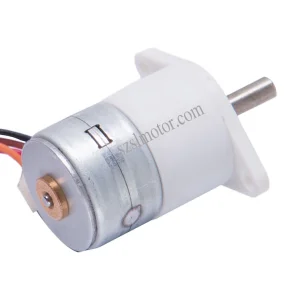
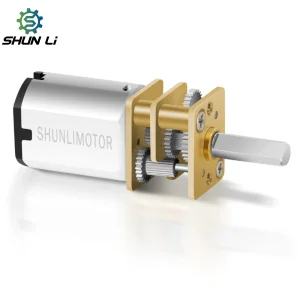
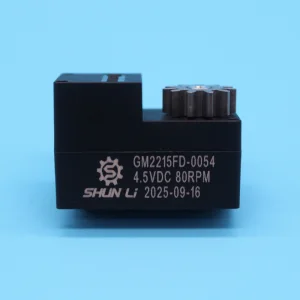
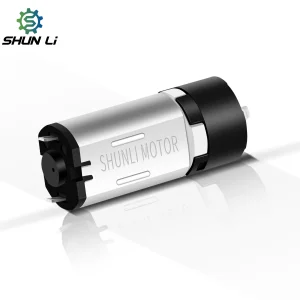
A stepper motor's principal metric is holding torque—the amount of external torque required to force the shaft to turn when the windings are energized. To optimize this parameters in miniature form-factors (such as the GM12-15BY micro stepper gear motor), factories utilize high-density stator lamination assemblies and neodymium (NdFeB) permanent magnets. Proper structural lamination reduces eddy current losses and hysteresis, ensuring that electrical input translates directly to mechanical torque rather than dissipated heat.
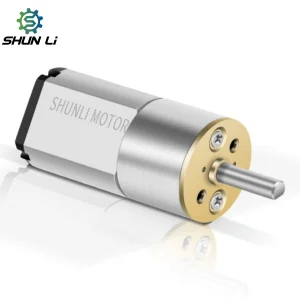
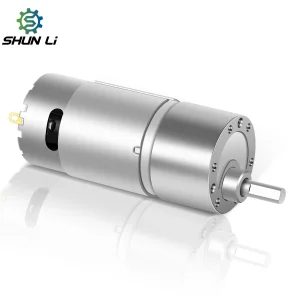
At Zonix Motor, we master the physics of rotation to power the technologies of tomorrow. As a premier certified manufacturer specializing in high-performance Micro DC Motors, DC Gear Motors, and Brushless DC Motors (BLDC), we have spent two decades engineering miniature motion solutions where high torque, silent acoustics, and enduring lifespans intersect.
Operating from our state-of-the-art, ISO9001-certified manufacturing facility, Zonix Motor bridges the gap between China’s world-class supply chain efficiency and international engineering rigor. Our compact micro-drives are trusted globally by product designers and R&D engineers in smart home automation, medical equipment, automotive electronics, and precision robotics—performing flawlessly under strict space and load constraints.
We don’t believe in one-size-fits-all hardware. Zonix Motor thrives on flexible OEM/ODM custom engineering. Backed by an elite in-house technical team holding multiple motor-tech patents, we offer rapid prototyping and seamless technical support. From specialized gear ratios and custom shaft configurations to precise voltage tuning, we design the silent, robust vortex that drives your product's success.

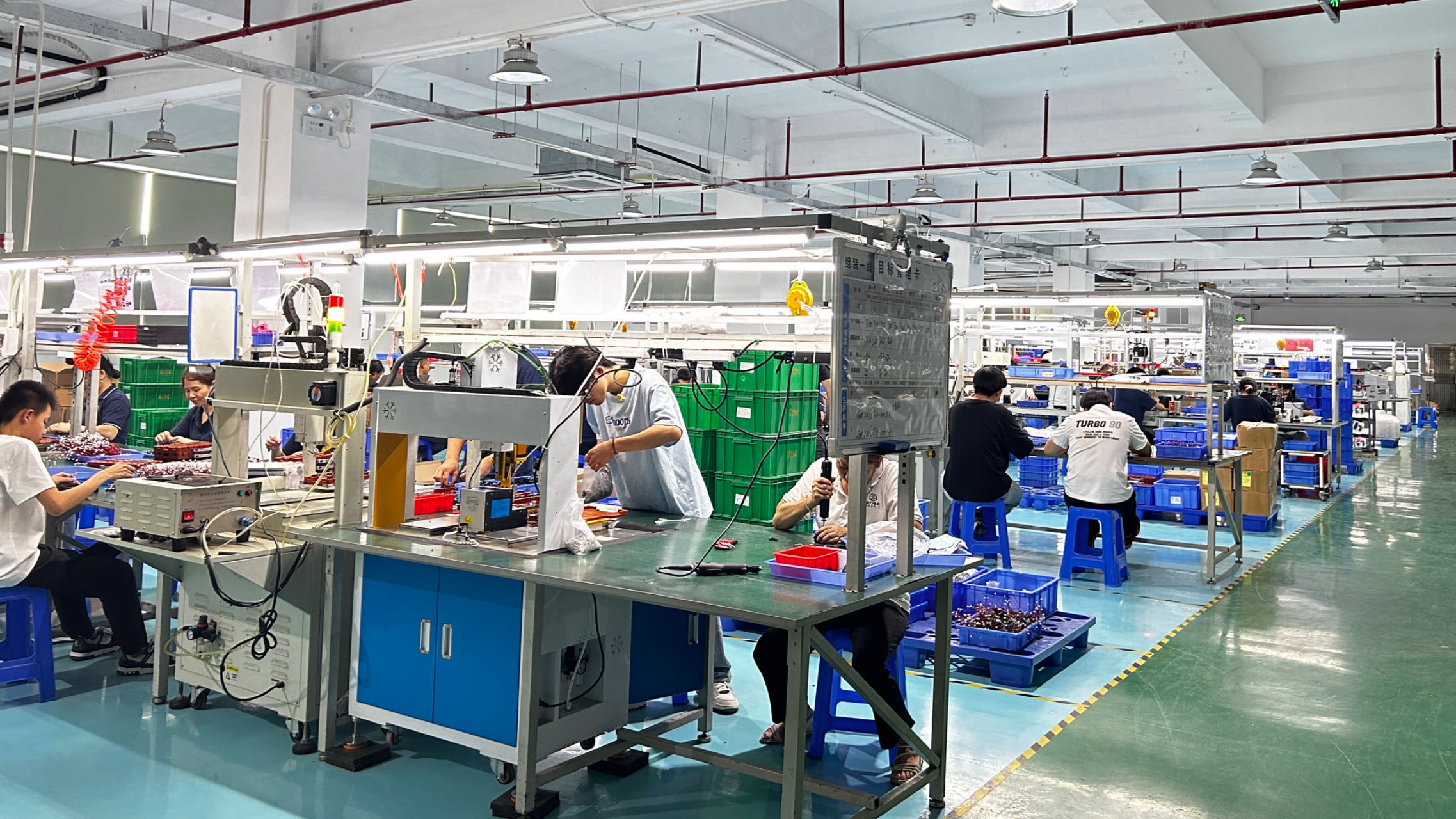
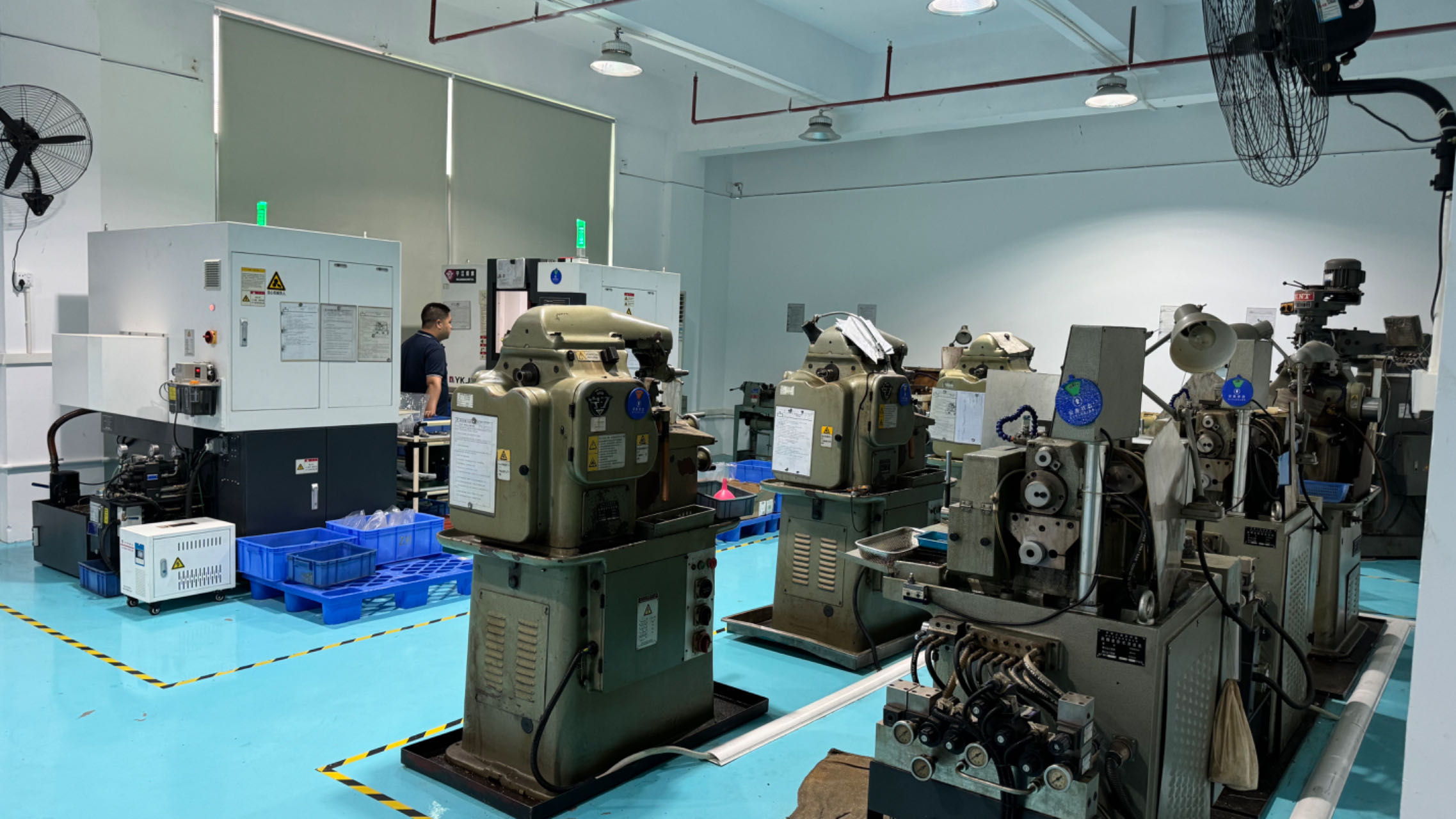
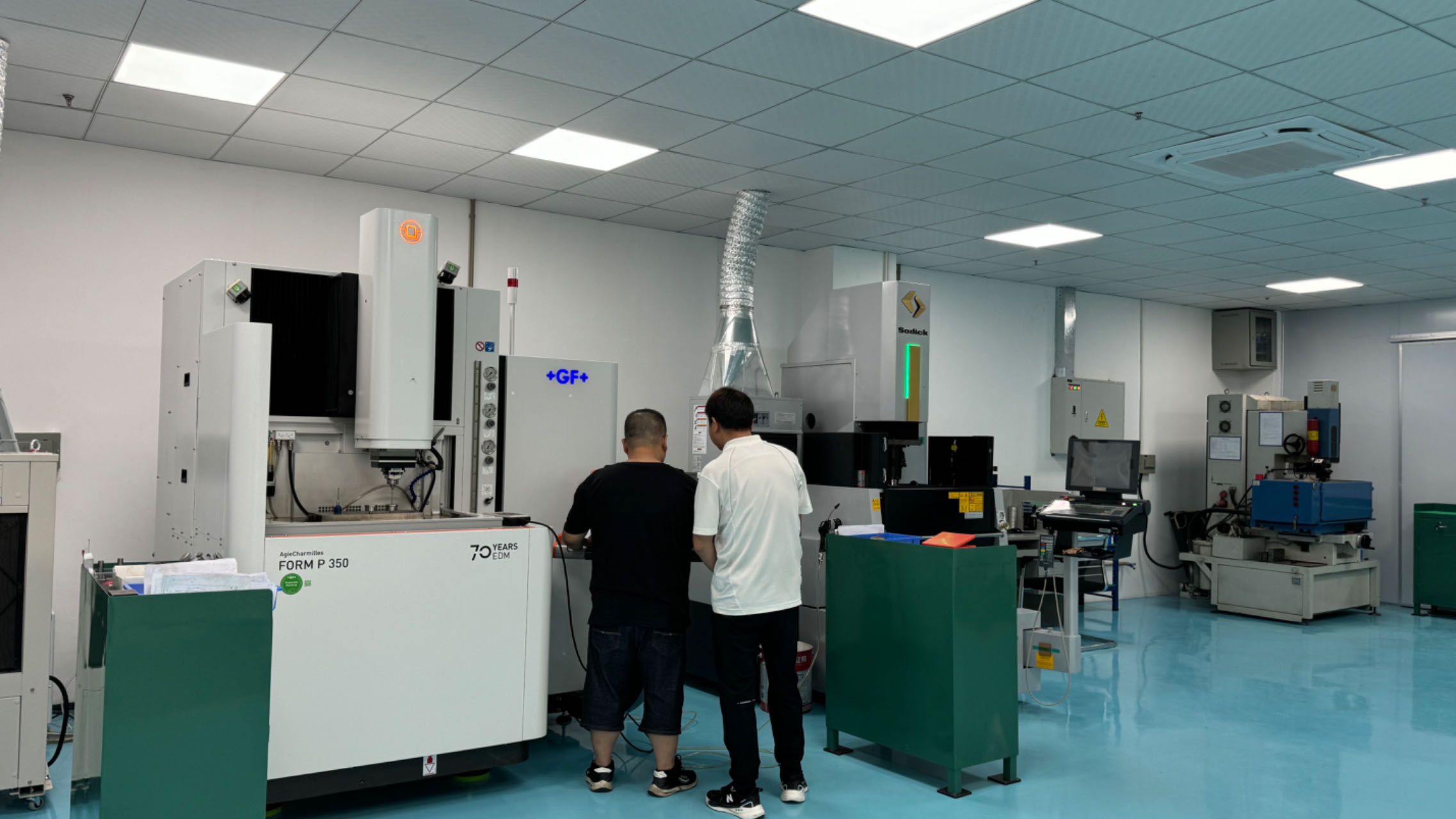
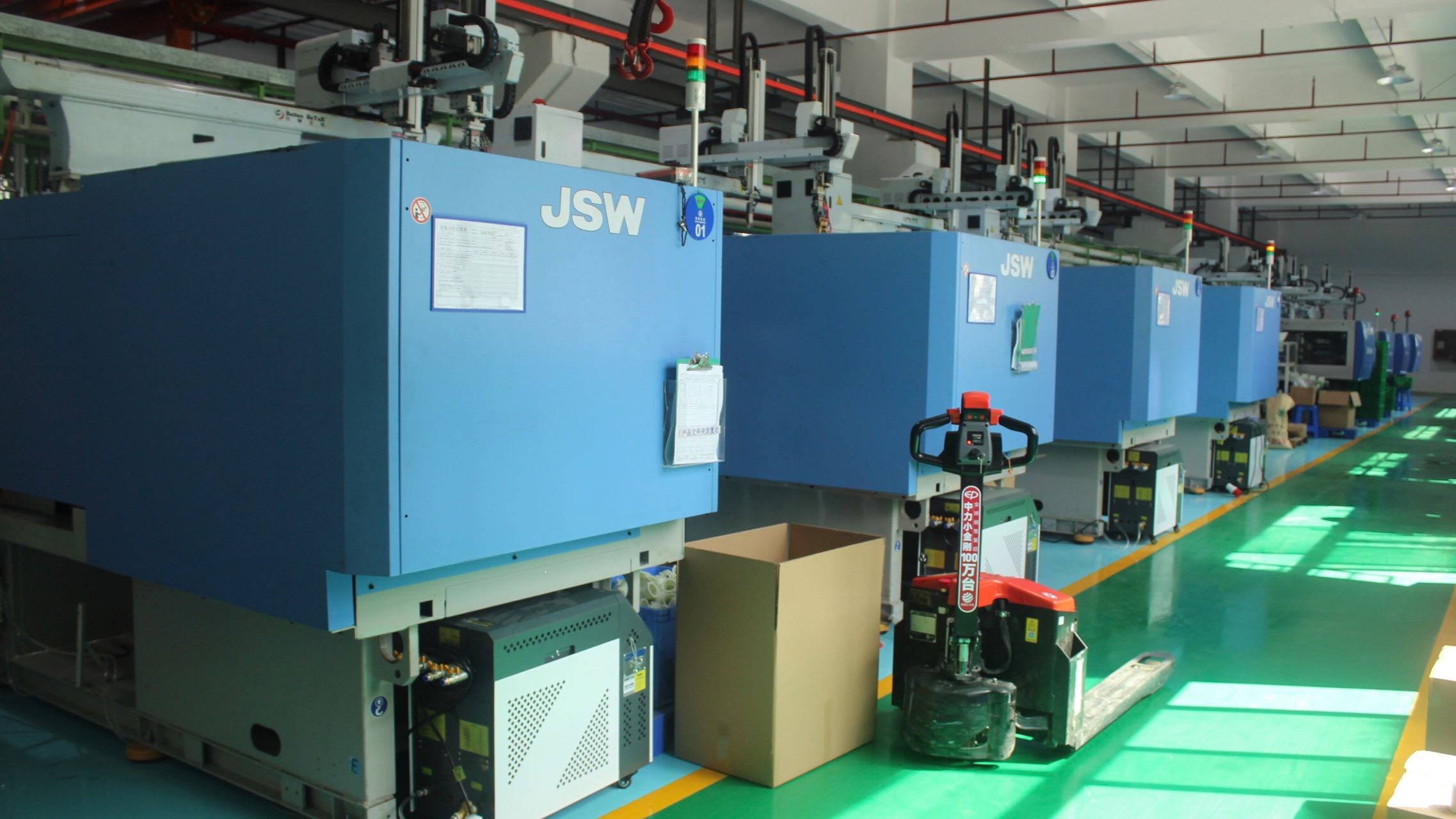
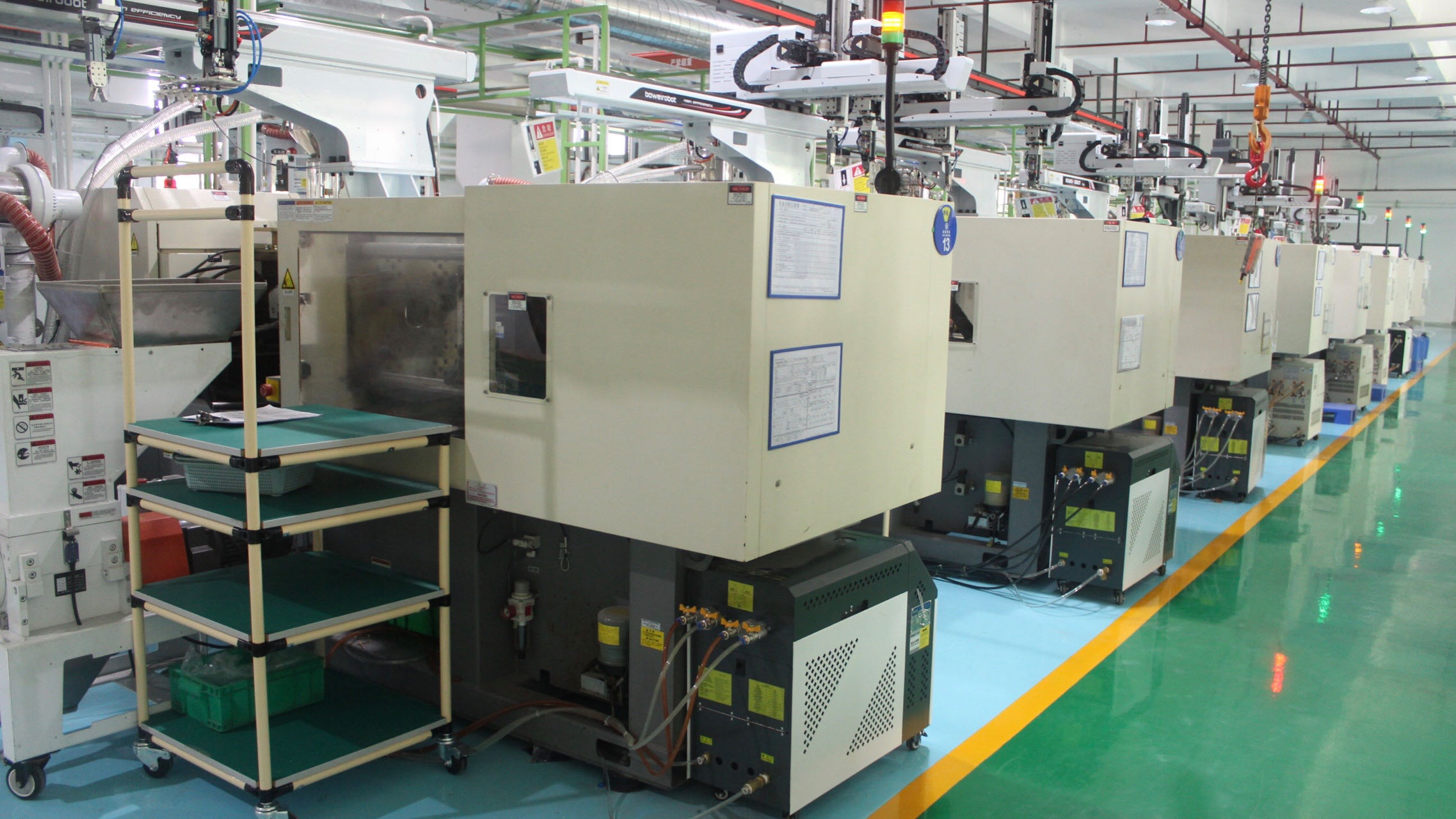
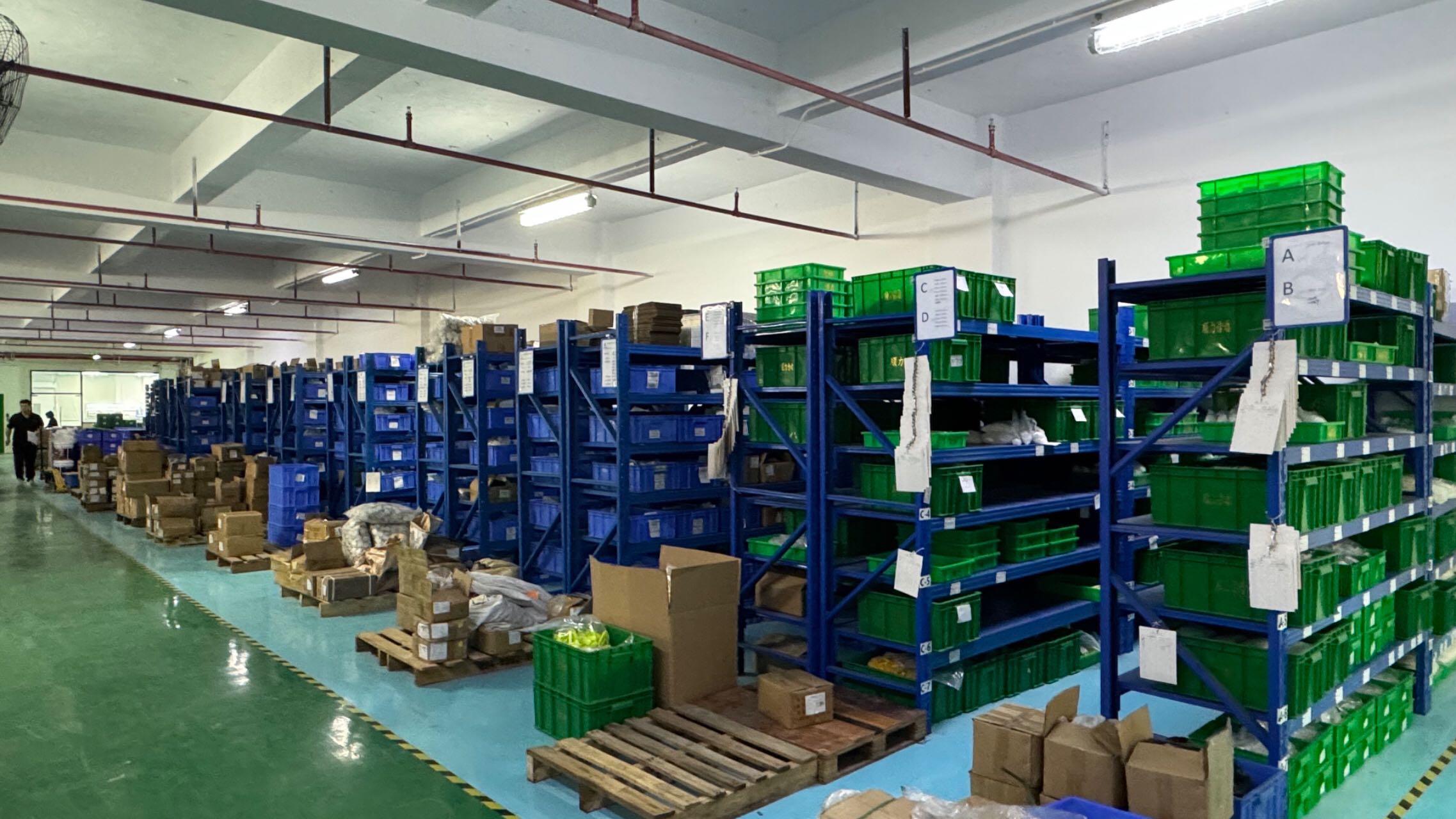
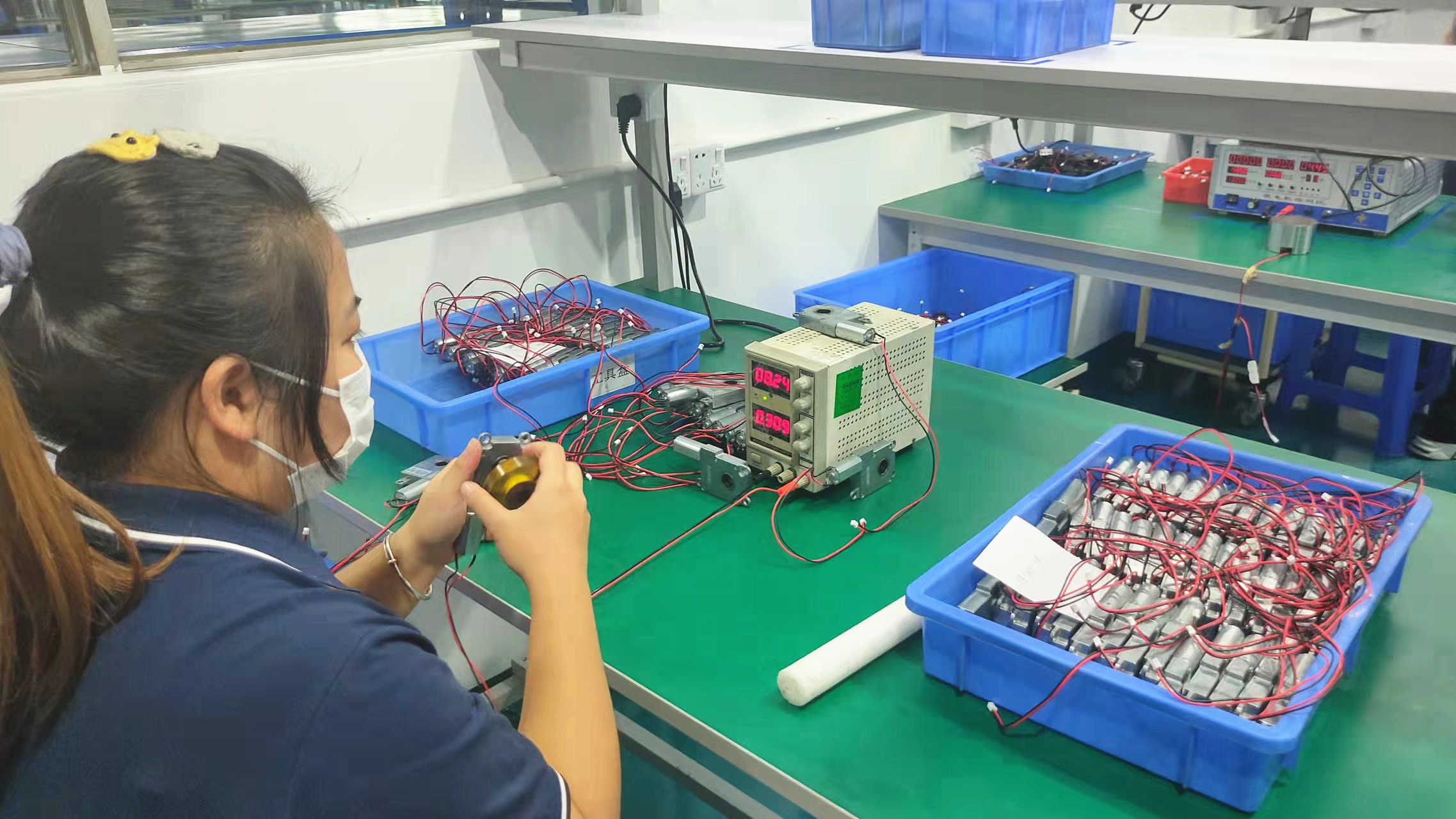
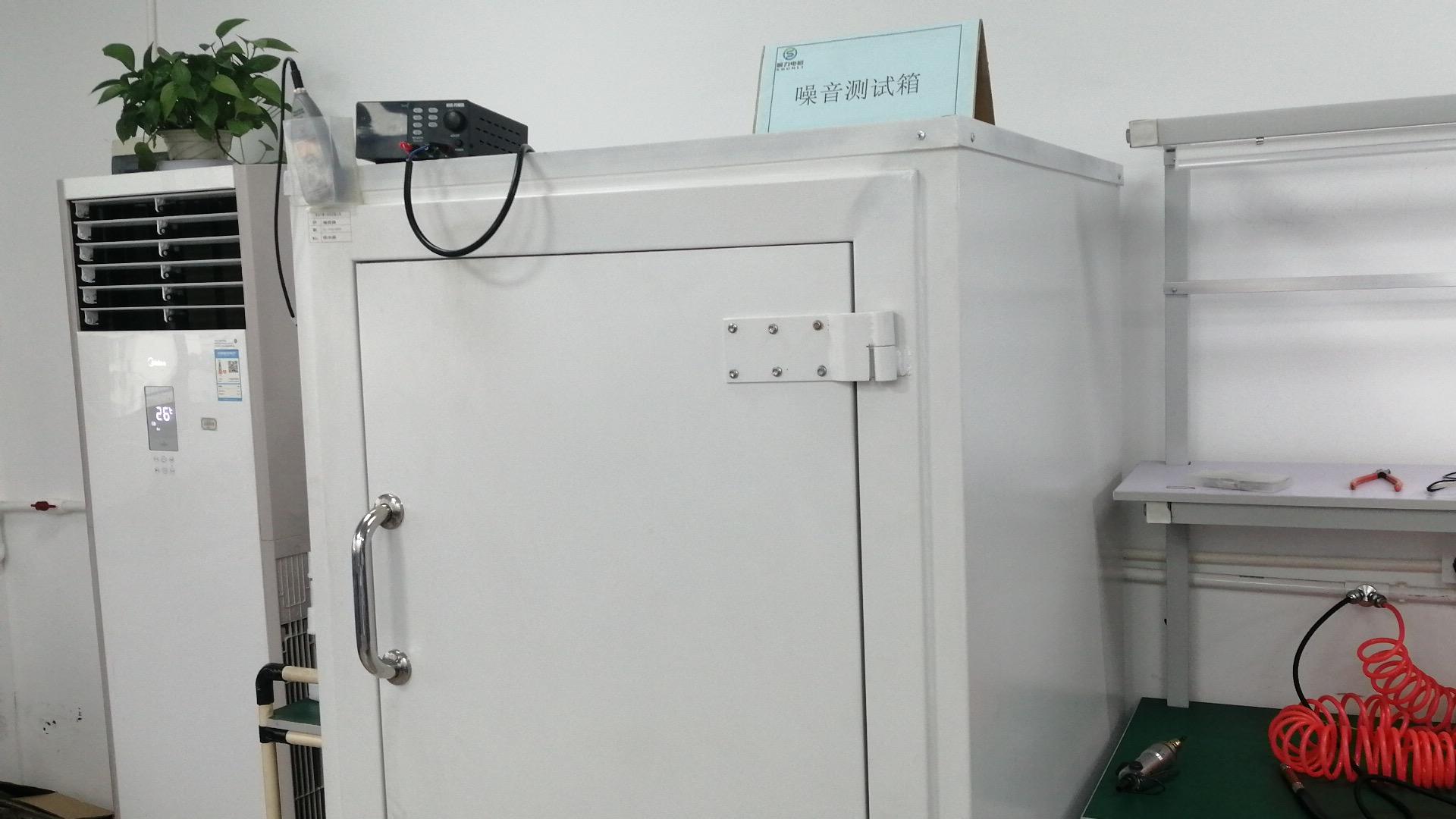
Our zero-defect methodology guides every stage of the assembly process. Traceability is established from raw material ingression through to final soundproof chamber evaluation.

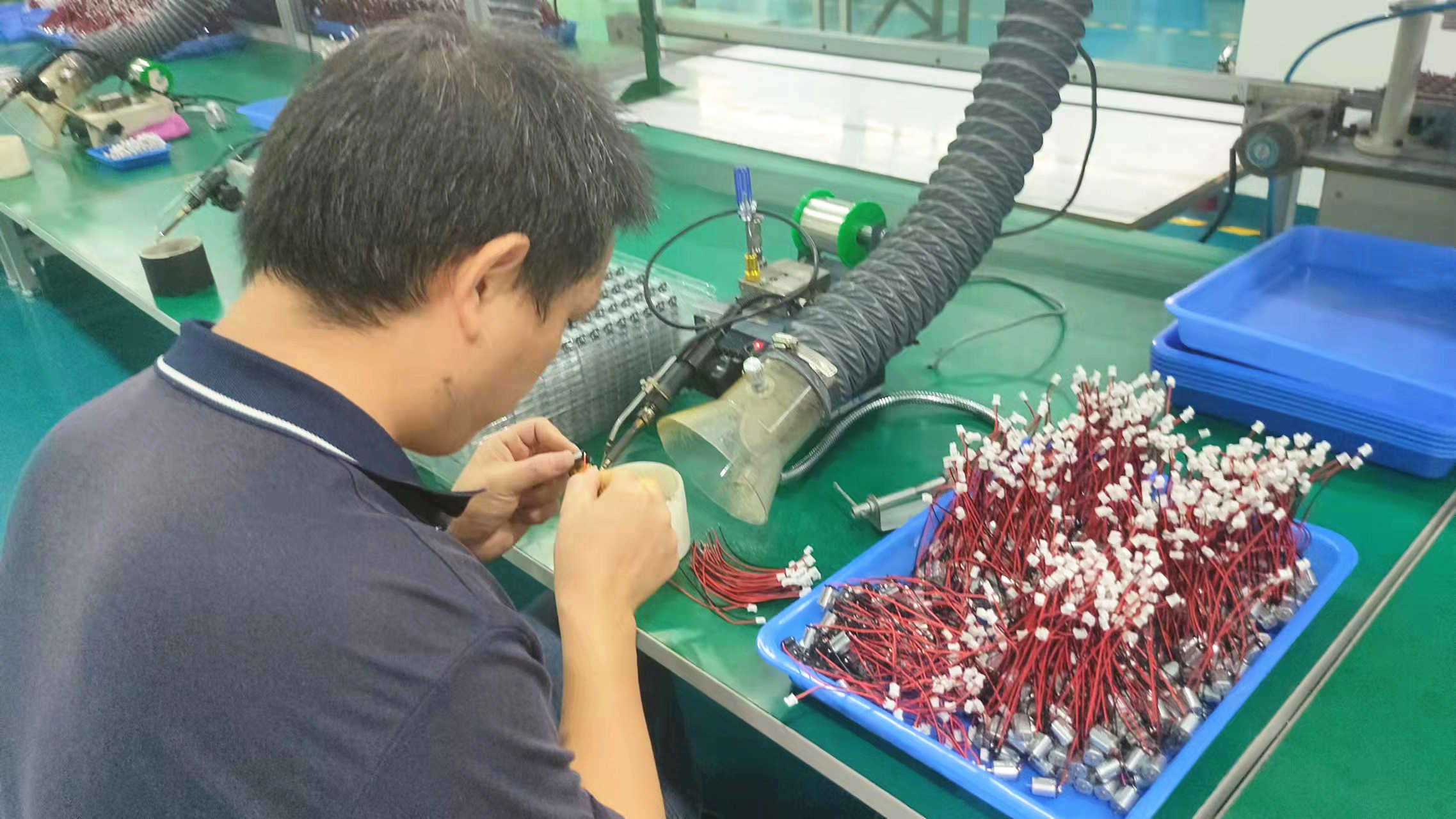
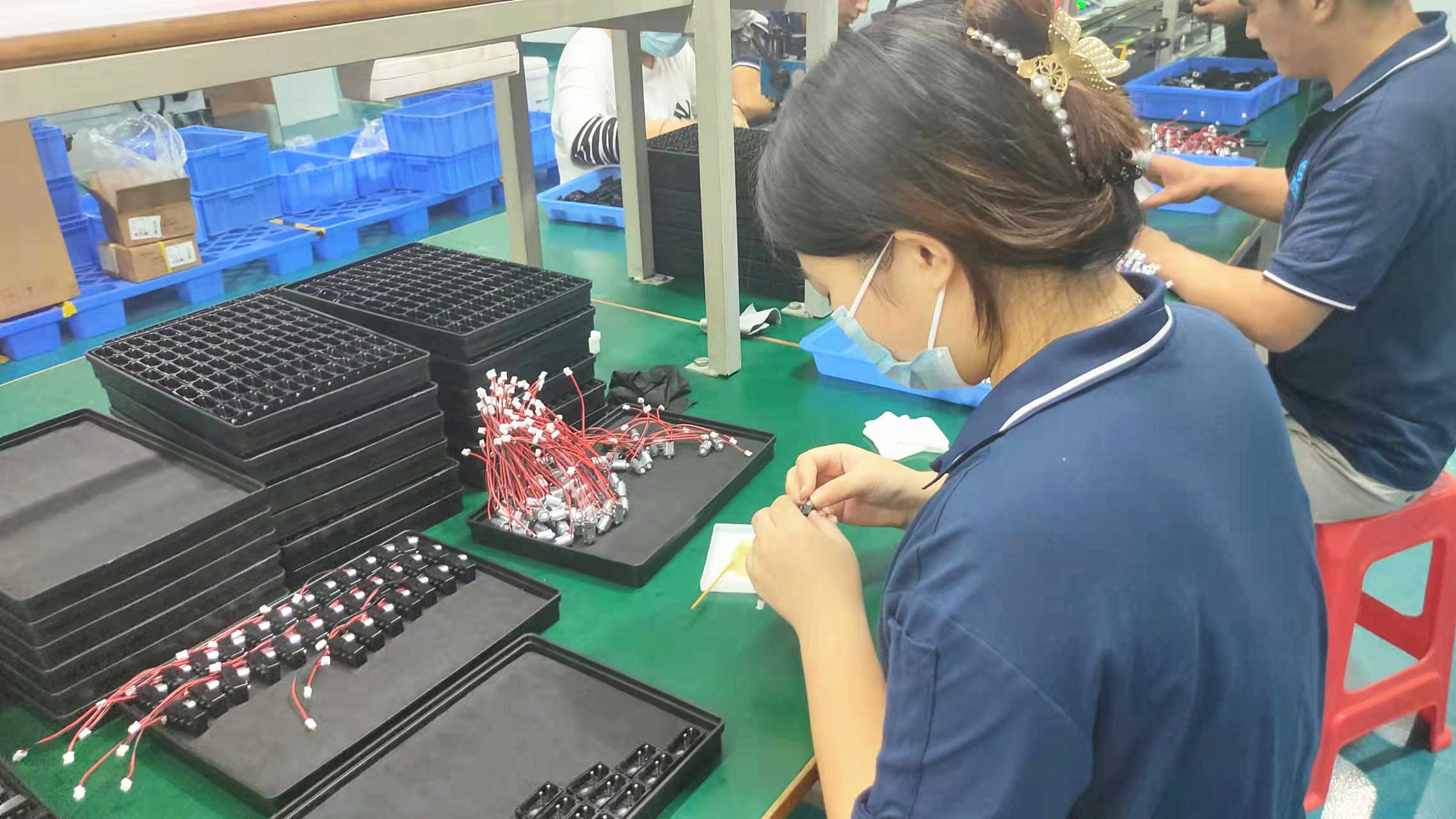
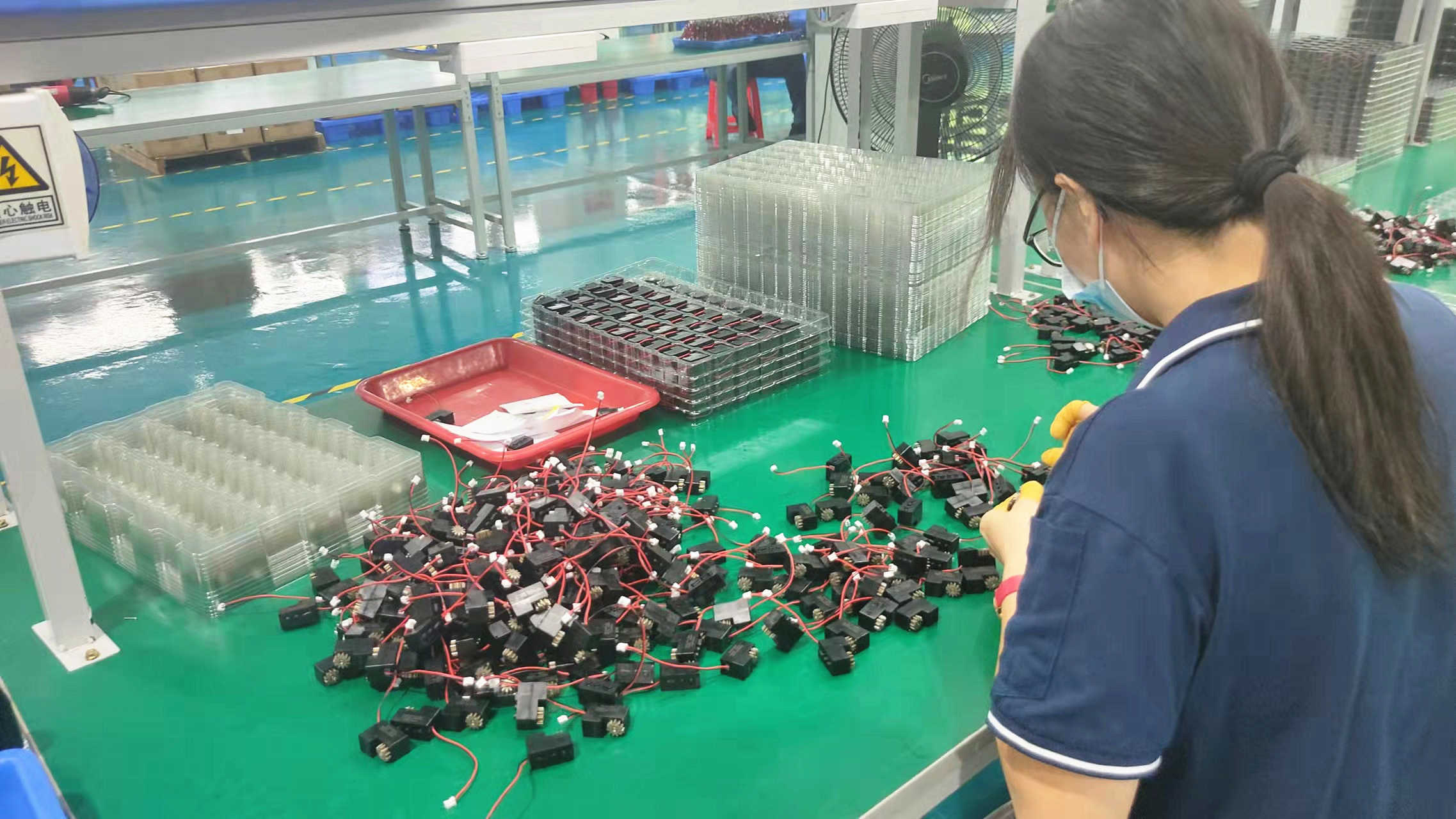
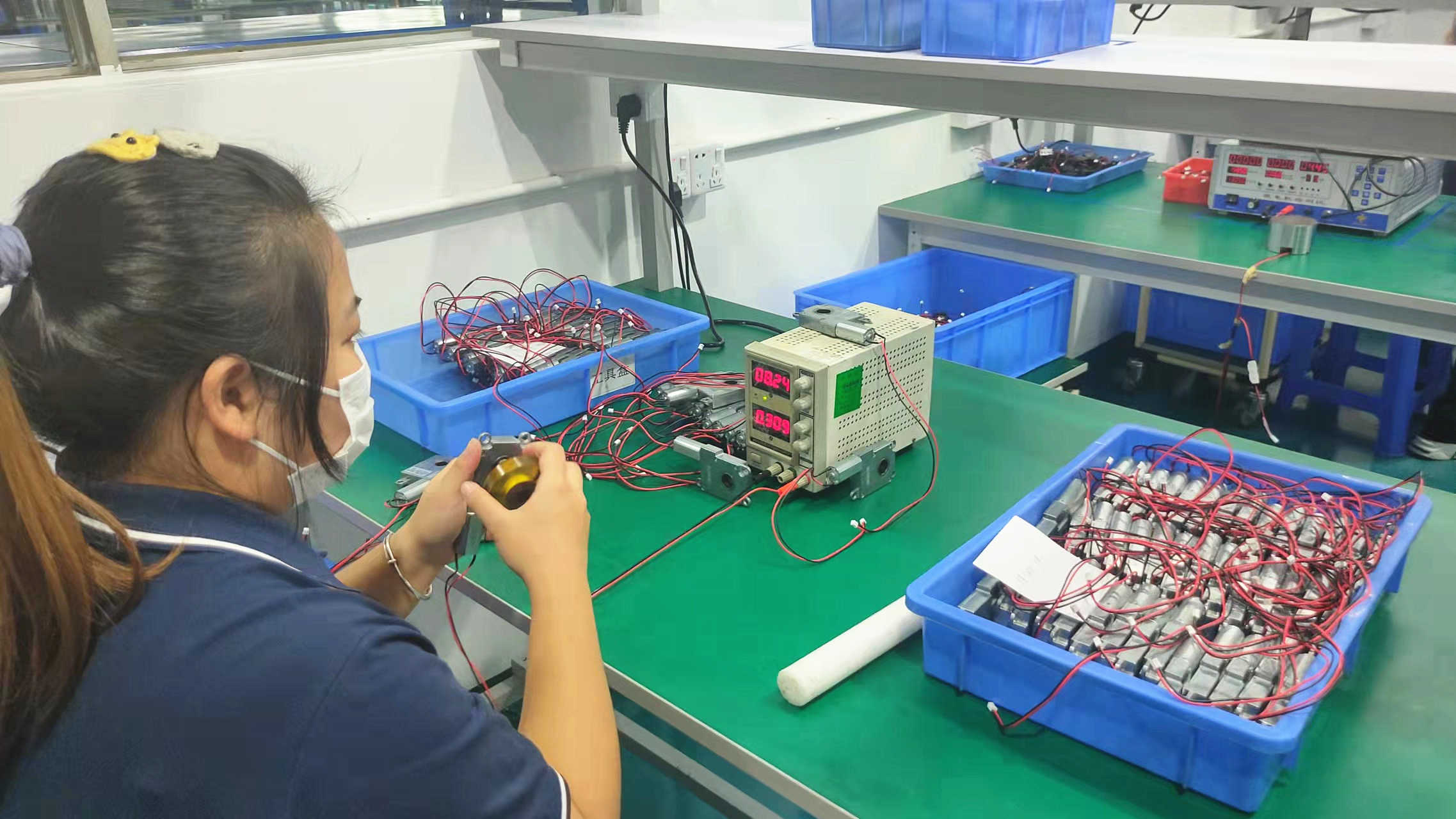
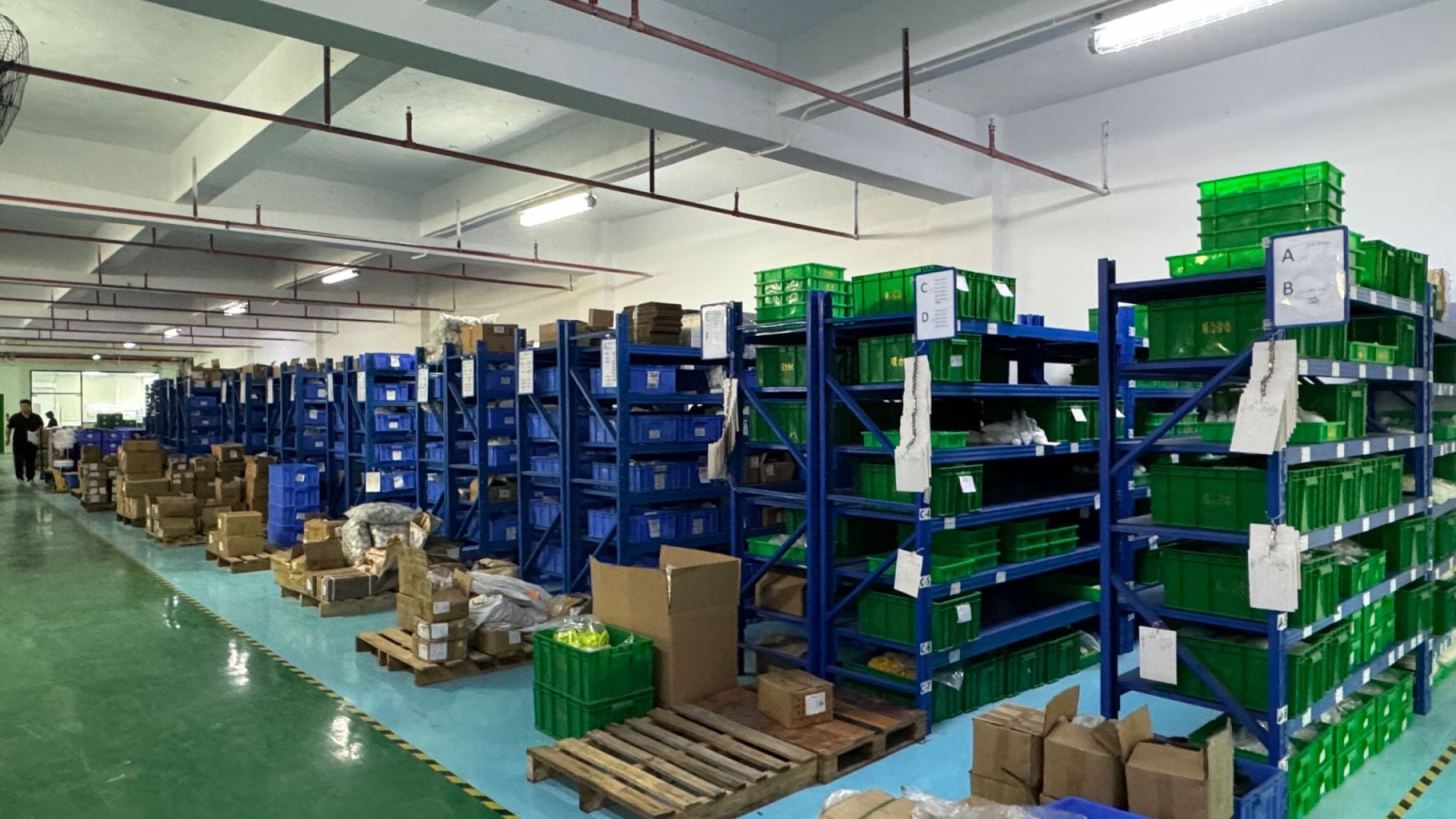
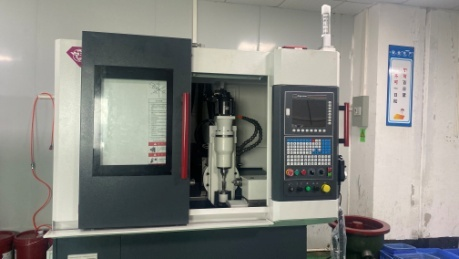
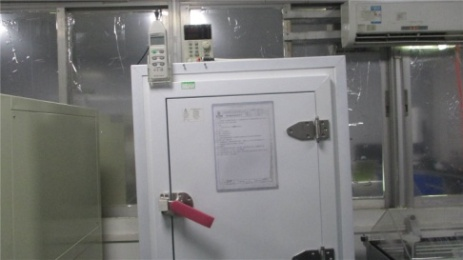
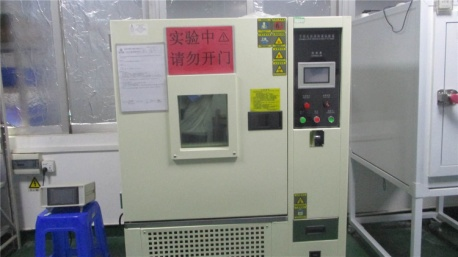
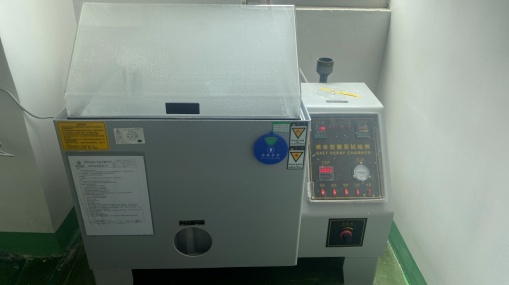
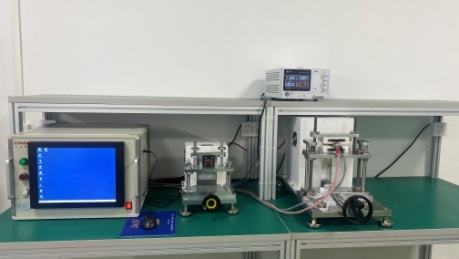
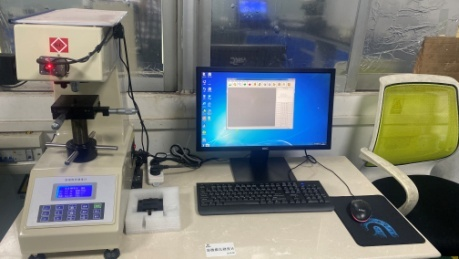
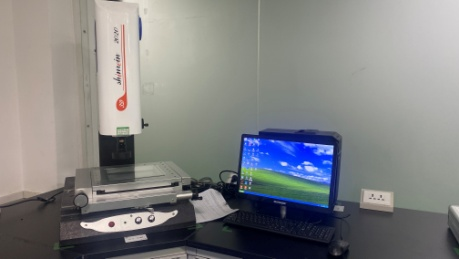
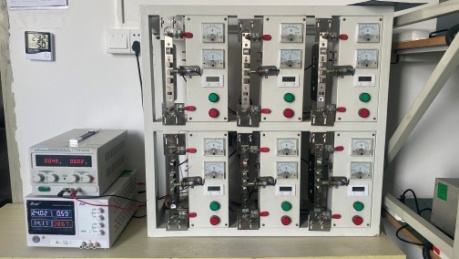
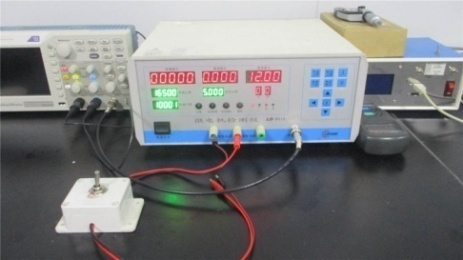
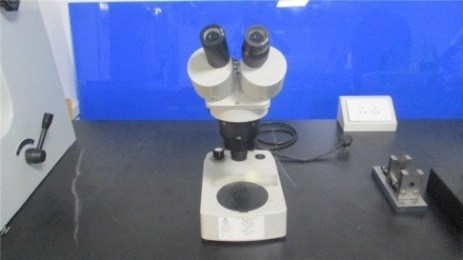
Micro-positioning accuracy requires high-end tooling machinery. Zonix Motor relies on premium horizontal hobbing equipment, programmable environmental test chambers, and precision measuring sensors to control dimensional tolerances to the single-micron level.
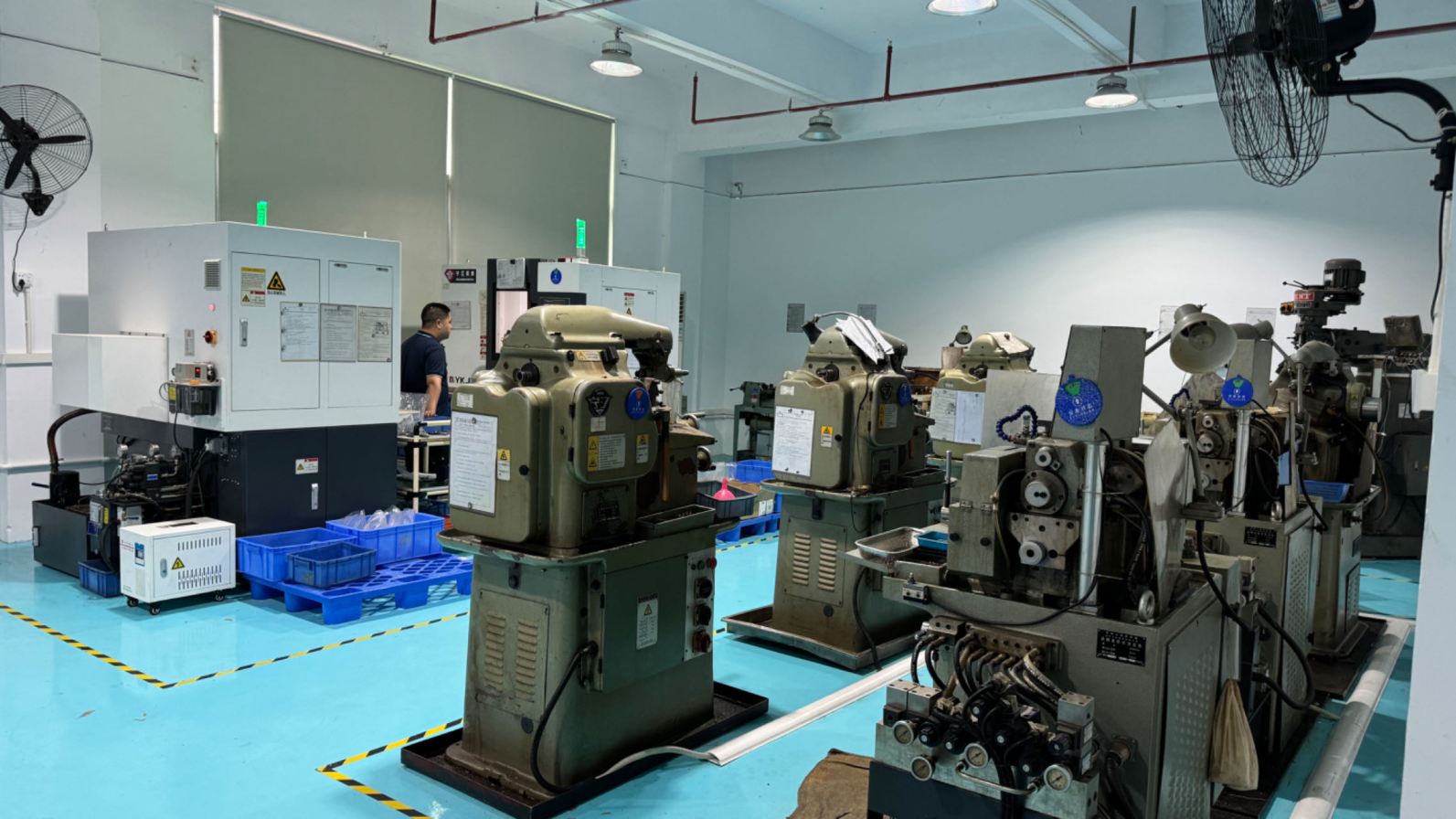
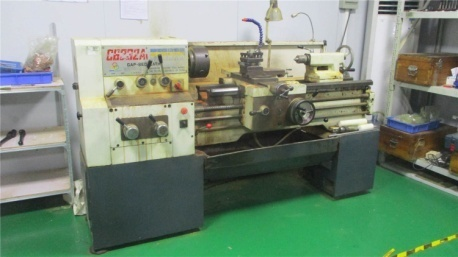
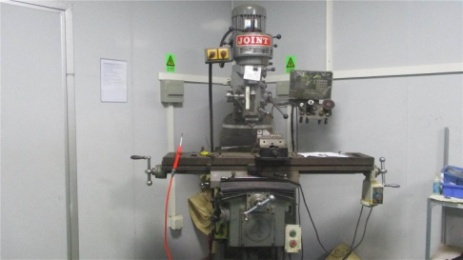
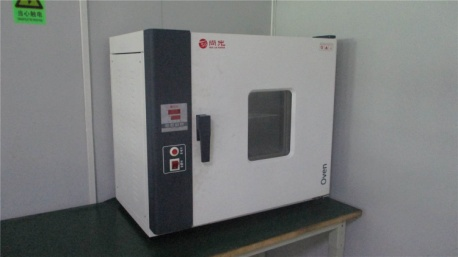
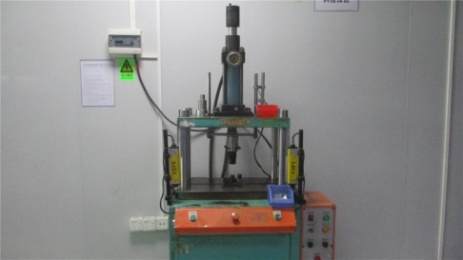
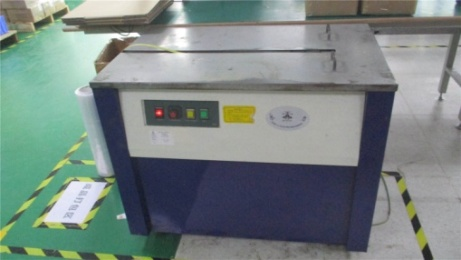
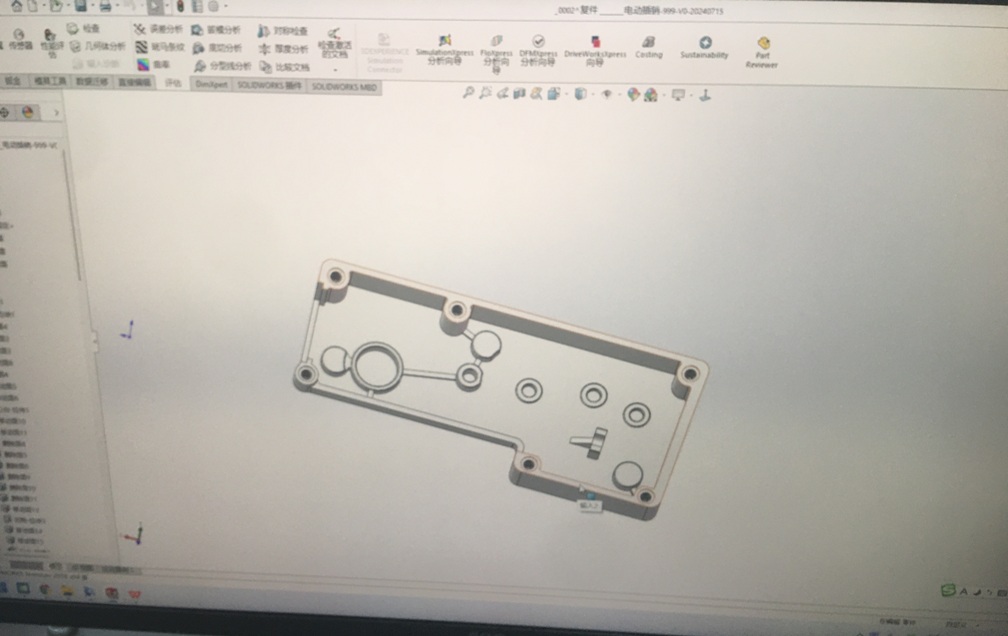
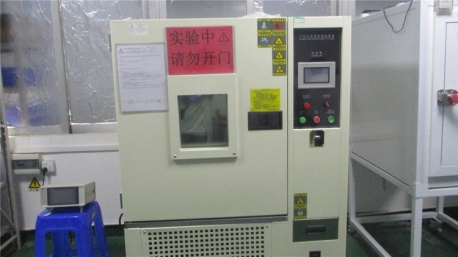
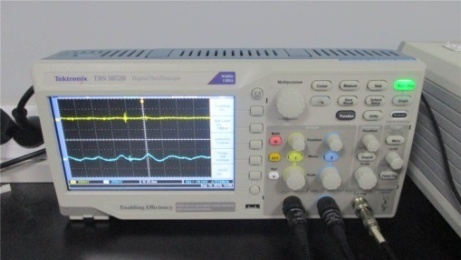
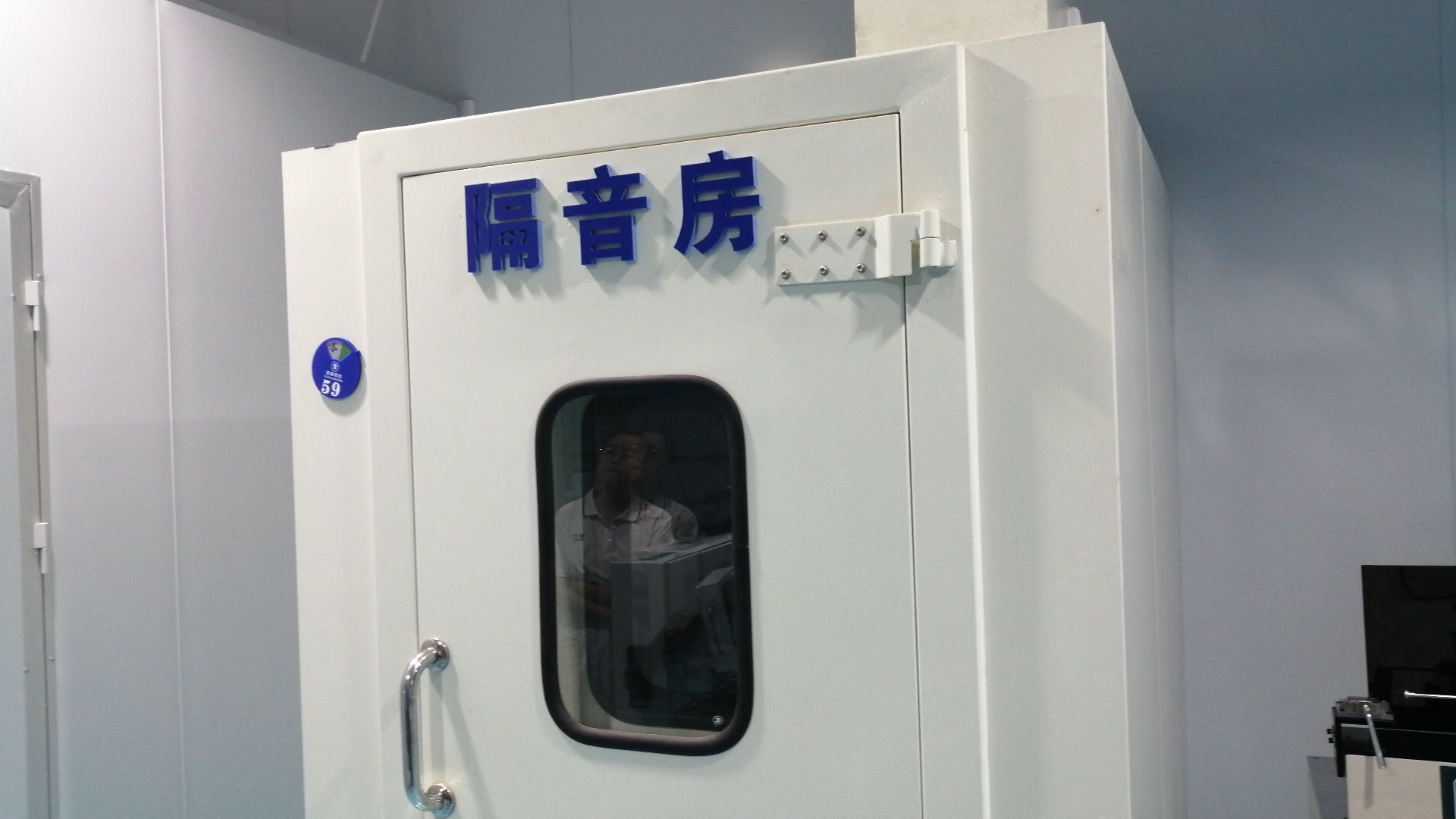
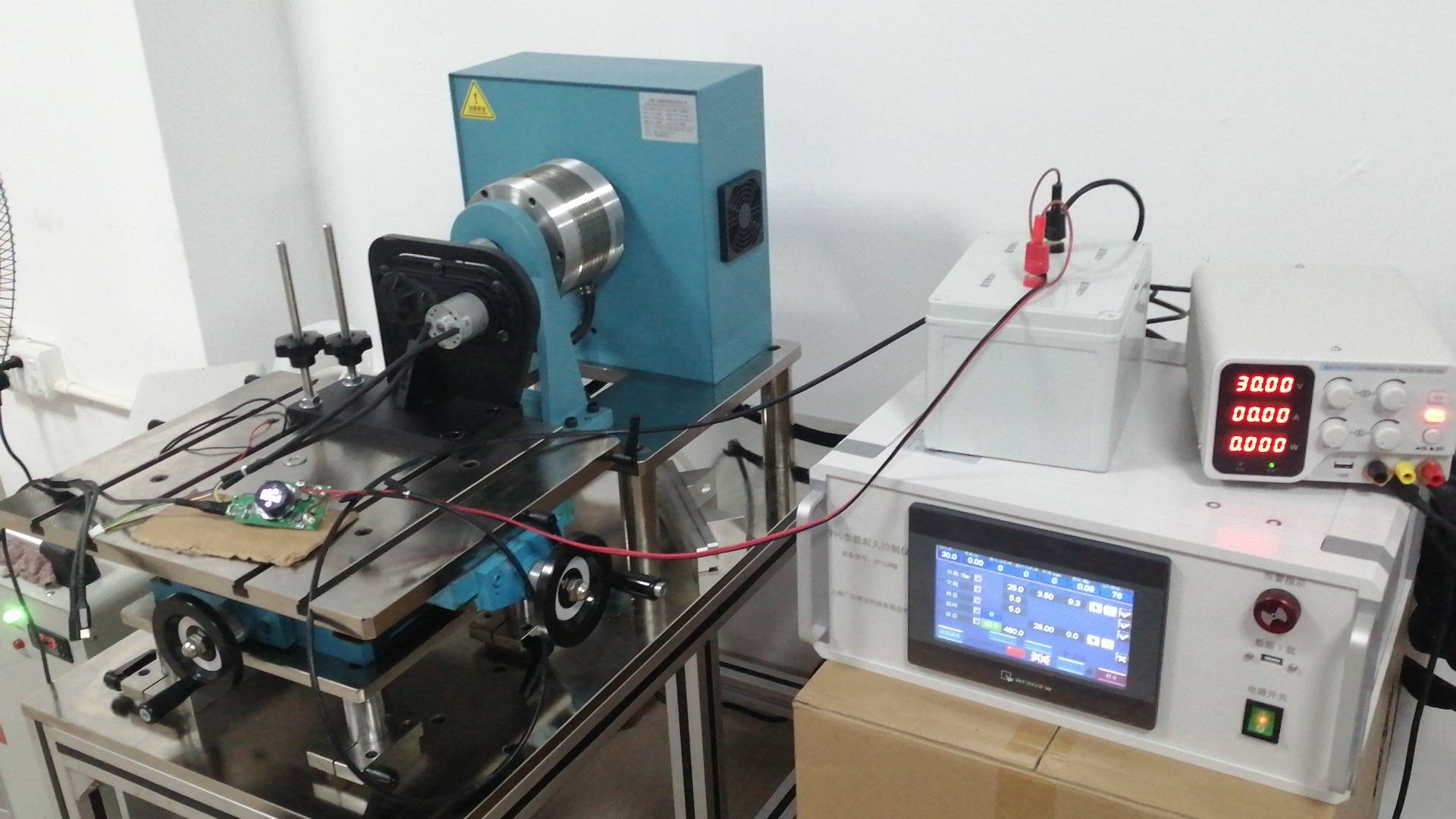
The industrial concentration of magnetic raw material refiners, copper extrusion plants, and high-precision gear cutting facilities within China provides an unparalleled competitive edge. While Western engineering organizations design complex motion schemes, the execution speed, prototype iterations, and tooling scale-up are disproportionately localized within China's manufacturing clusters.
China controls over 70% of the world's rare-earth permanent magnet supply chain. This guarantees consistent access to high-remanence Neodymium-Iron-Boron (NdFeB) blocks, preventing raw materials bottlenecks and maintaining competitive pricing on high-torque micro stepper systems.
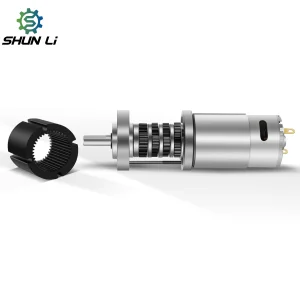
Integrating high-precision planetary gearboxes requires micro-machining of inner ring gears and planetary pinions. Chinese manufacturing clusters provide custom tooling setups within weeks compared to months in other regions, significantly reducing Time-to-Market (TTM).
From pilot production runs of several hundred units for advanced robotics to millions of micro-drives for consumer-facing smart locks, our automated and semi-automated assembly configurations scale instantly to project dynamics.
When sourcing micro drives and stepper motor controllers, global enterprises must ensure compliance across multiple engineering matrices. The table below represents the core parameters demanded by international R&D teams:
| Evaluation Parameter | Requirement Standard | Testing & Auditing Protocol |
|---|---|---|
| Dimensional Tolerances | ISO 2768-f (Precision Mechanical Class) | Video Measuring Instruments, Air Gauge Sensors |
| Acoustic Emission Levels | < 35 dBA at 10cm distance under load | Full Anechoic & Semi-Anechoic Noise Testing Chambers |
| Environmental Safety | RoHS 3.0 (Directive 2015/863) & REACH Compliance | Spectrometric analysis of plastics, leads, and solders |
| Ingress Protection | IP54 to IP67 depending on application environment | Pressurized dust chambers & water-immersion testing |
| Operating Temperature Stability | -40°C to +85°C continuously | Programmable thermal cycle chambers with electrical logging |
| Electromagnetic Compatibility (EMC) | EN 55014-1 & EN 55014-2 standards | BEMF oscilloscope reading & shield resistance audits |
A common friction point in global manufacturing procurement is the disconnect between the design board in Silicon Valley, Munich, or Tokyo, and the factory floor in Guangdong or Zhejiang. Zonix Motor alleviates this barrier by offering native engineering interface support, supplying direct-export 3D STEP files, and providing deep compliance documentation.
Whether your design team requires localized mounting flanges, specialized shaft flats (D-cut, cross-drilled, or splined), or customized wiring harnesses with Molex or JST connectors, our engineers communicate on a peer-to-peer technical basis. We don't just export products; we export qualified motion control sub-systems designed to slot directly into your mechanical envelopes.
Micro stepper motors power the internal locking mechanisms of automated smart deadbolts. Here, extreme space limits demand high torque outputs. Motors must also operate silently, requiring precise gear hobbing and noise-isolated testing.
Peristaltic pumps in medical diagnostics require precise rotation increments to deliver exact fluid dosages. Our stepper drives offer microstepping compatibility, preventing fluid pulsations and ensuring linear delivery.
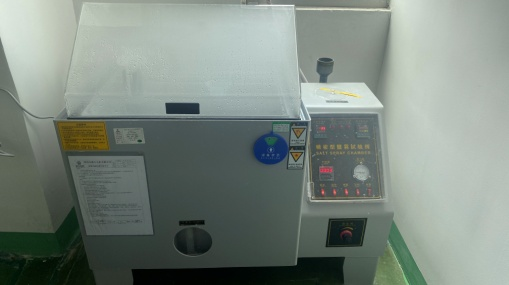
HVAC vent flap actuators and electronic parking brakes operate in high-vibration, high-humidity environments. Salt spray testing and thermal cycling verify that grease integrity and electrical contacts endure over vehicle lifespans.
Selecting the optimal micro-drive configuration depends heavily on target speed, required precision, budget limits, and system complexity. Review the matrix below to match your design parameters with the correct motor morphology:
| Motor Category | Positioning Control Method | Acoustic Noise Signature | Holding Torque Characteristics | Ideal Application Use-Case |
|---|---|---|---|---|
| Micro Stepper Motors | Open-loop (no encoder needed) via digital pulses | Low to Medium (Microstepping reduces noise) | Excellent holding torque at zero speed | 3D printers, medical pumps, lens focusing systems |
| Micro DC Gear Motors | Closed-loop via external encoder integration | Medium (brush friction + gear mesh) | N/A (relies on gearbox mechanical lock) | Smart door locks, coffee vending dispensers, valve actuators |
| Brushless DC (BLDC) | Closed-loop via Hall sensors or sensorless drivers | Ultra-Low (no physical brush contacts) | Moderate holding torque via driver current control | Drones, cooling fans, precision surgical tools |
The micro-motor sector is undergoing a rapid technological evolution driven by three core forces:
Clear answers to common engineering, procurement, and logistics questions regarding China micro stepper motors.