Zonix Motor
Zonix Motor
Zonix Motor
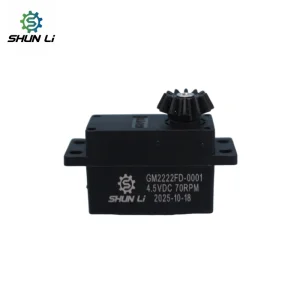
Engineered for high starting torque, ultra-low power consumption, and maximum reliability in tight spaces.
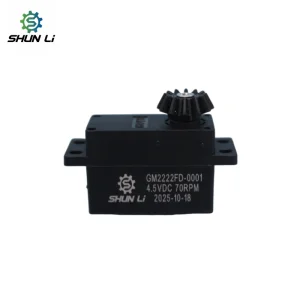
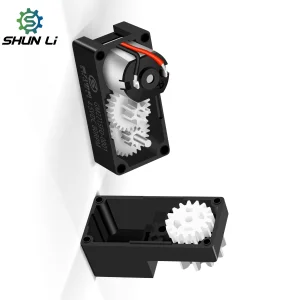
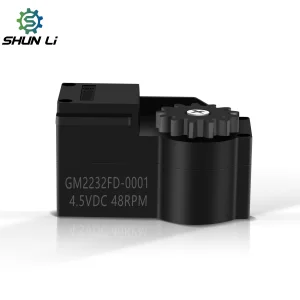
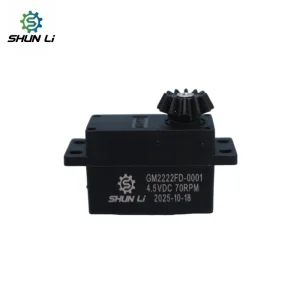
Global motion control partner specializing in custom miniature drives for mission-critical security applications.
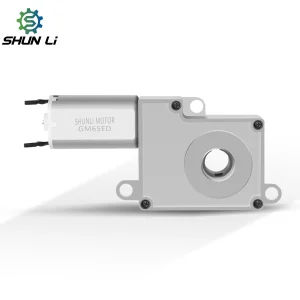
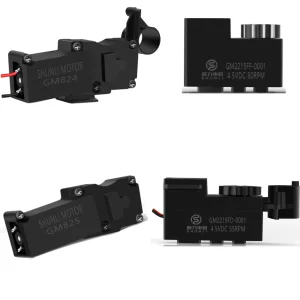
At Zonix Motor, we master the physics of rotation to power the technologies of tomorrow. As a premier certified manufacturer specializing in high-performance Micro DC Motors, DC Gear Motors, and Brushless DC Motors (BLDC), we have spent two decades engineering miniature motion solutions where high torque, silent acoustics, and enduring lifespans intersect.
Operating from our state-of-the-art, ISO9001-certified manufacturing facility, Zonix Motor bridges the gap between China’s world-class supply chain efficiency and international engineering rigor. Our compact micro-drives are trusted globally by product designers and R&D engineers in smart home automation, medical equipment, automotive electronics, and precision robotics—performing flawlessly under strict space and load constraints.
We don’t believe in one-size-fits-all hardware. Zonix Motor thrives on flexible OEM/ODM custom engineering. Backed by an elite in-house technical team holding multiple motor-tech patents, we offer rapid prototyping and seamless technical support. From specialized gear ratios and custom shaft configurations to precise voltage tuning, we design the silent, robust vortex that drives your product's success.

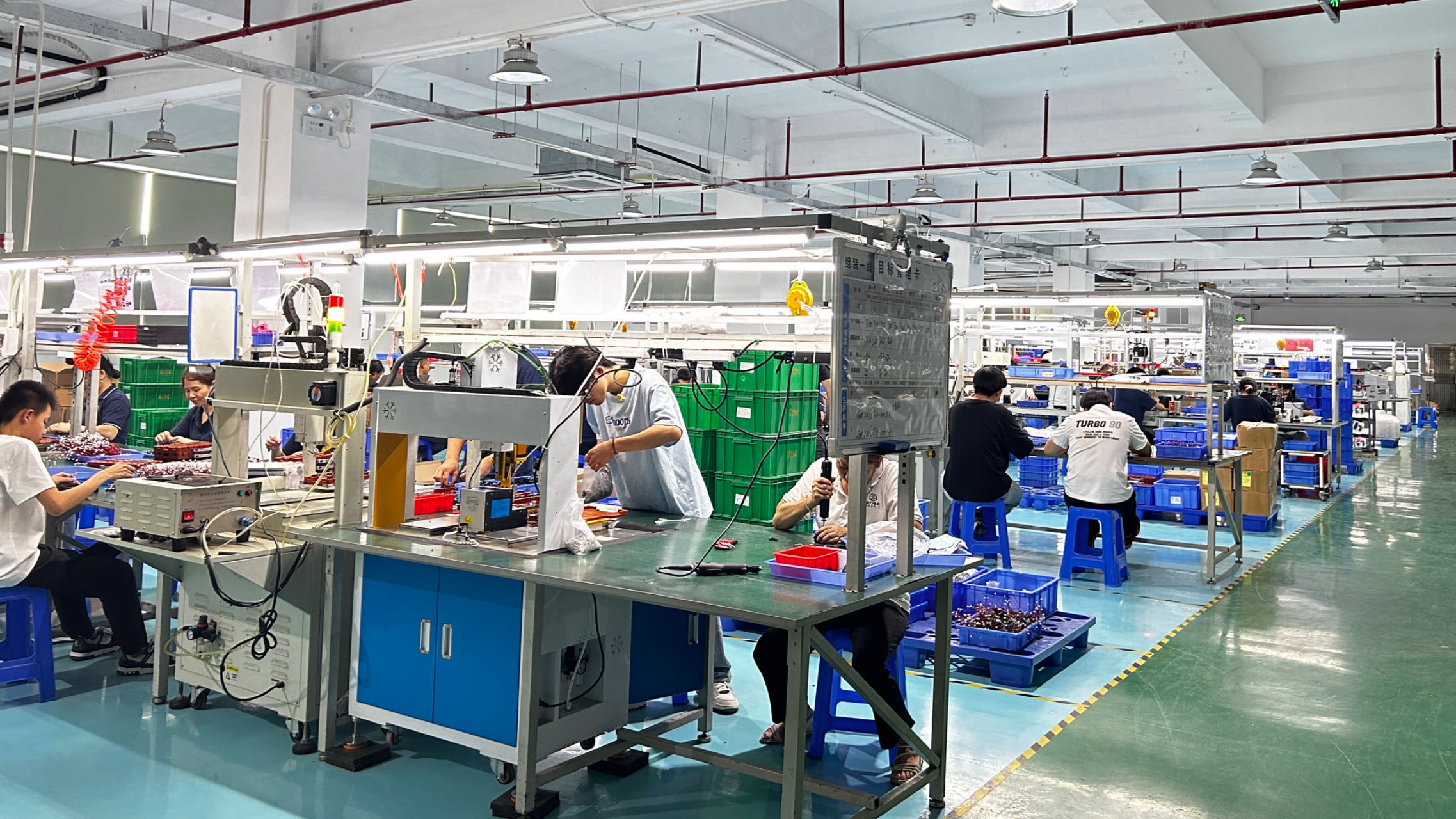
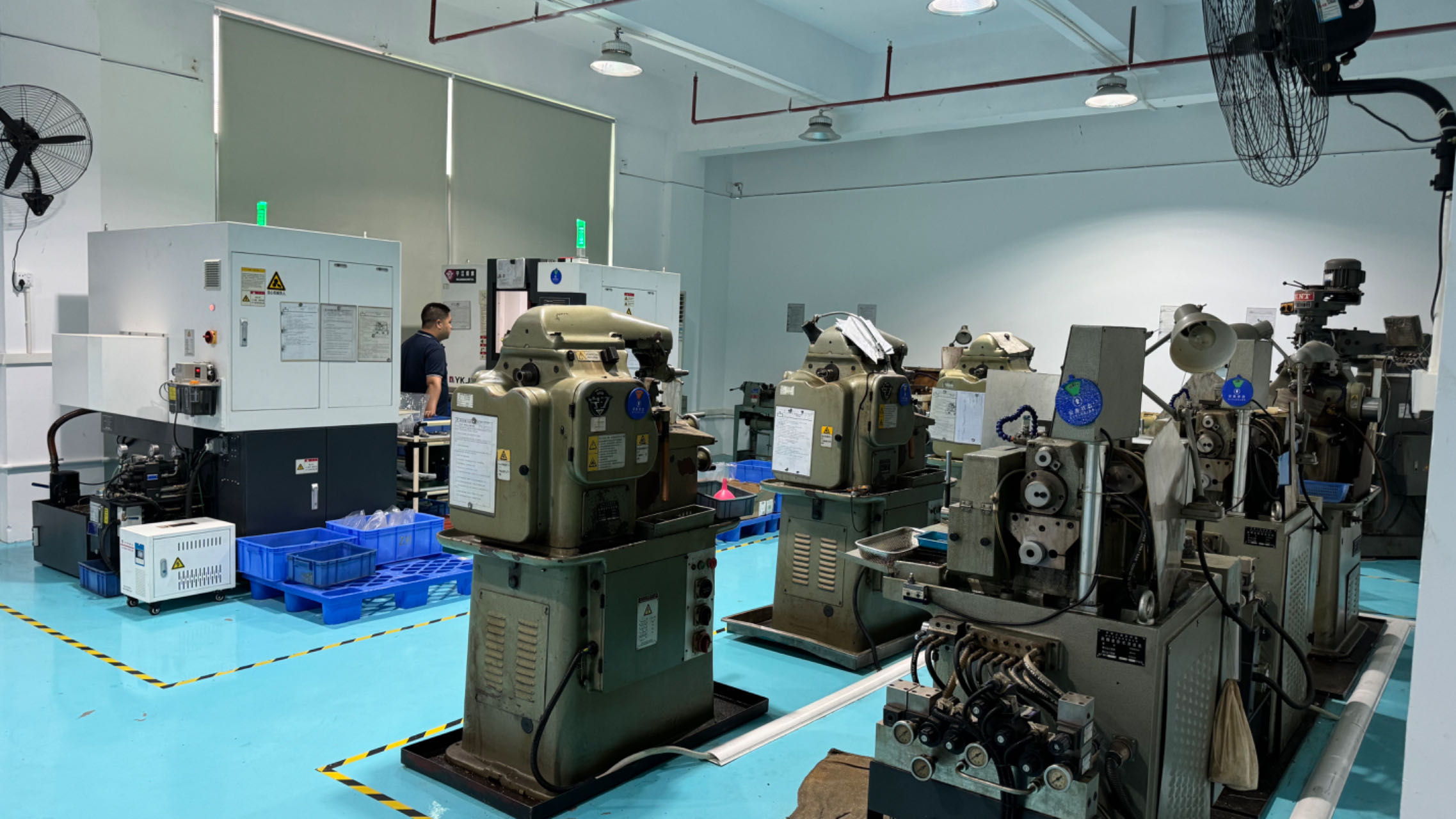
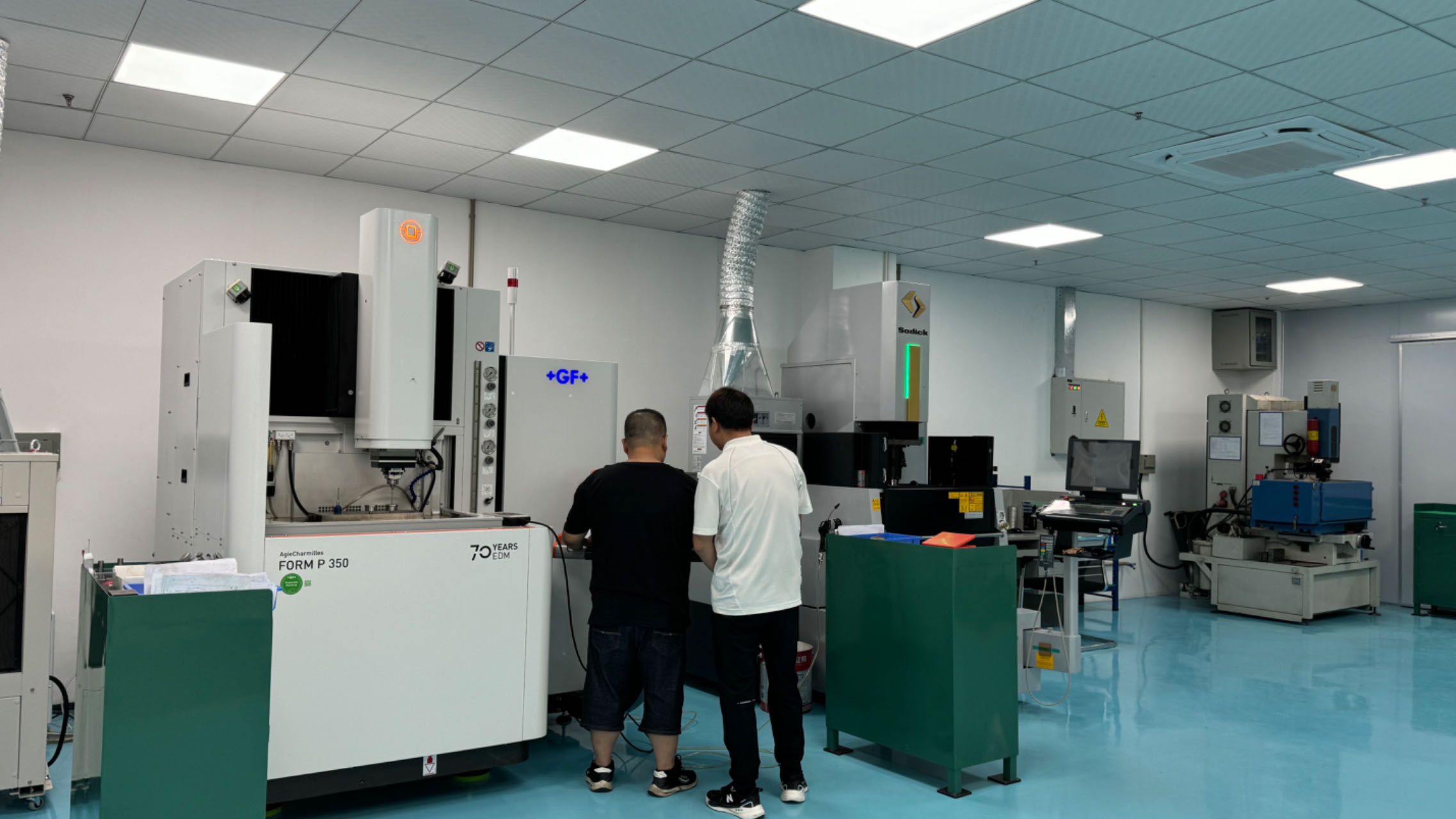
An objective breakdown of vertical supply chain integration, precision engineering cost dynamics, and scalability.
China holds the world's most highly integrated ecosystem for micromotor production. From direct proximity to rare-earth Neodymium (NdFeB) magnet refinement plants to high-precision synthetic lubrication suppliers and gear-hobbing steel manufacturers, all materials are sourced locally. This reduces lead times from months to weeks.
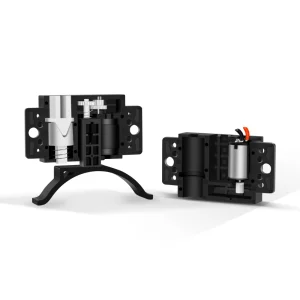
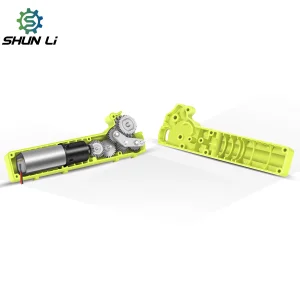
Lock designs vary drastically between geographical zones (e.g., European mortise locks, American deadbolts, Asian push-pull smart locks). Chinese factories excel at engineering-on-the-fly. Whether you need custom D-cut shafts, helical or planetary gearboxes, specialized voltage tuning (from 1.5V to 24V), or high-temp copper windings, customization is handled in-house.
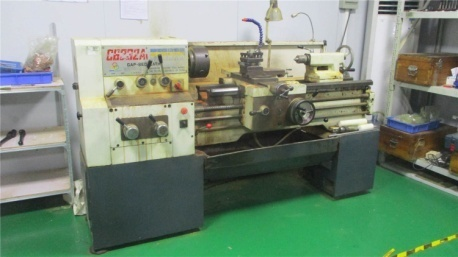
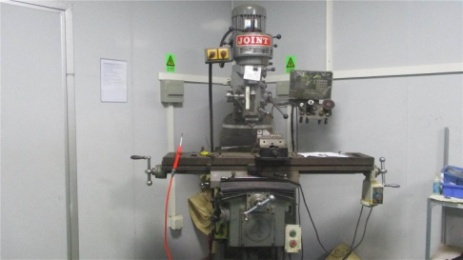
With automated winding lines, automated gear riveting, and advanced lathing stations, Chinese manufacturers like Zonix supply millions of units annually with extreme consistency. Scale allows us to source premium materials (such as Dupont POM gears and high-conductivity carbon brushes) while keeping per-unit costs low.
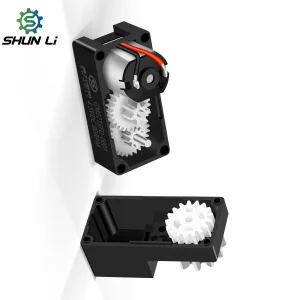
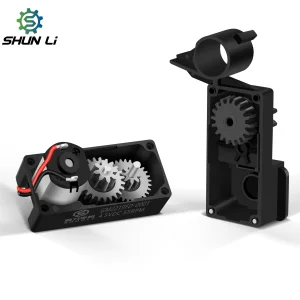
Historically, electronic locks relied on raw solenoids or simple spur-geared motors. Today's smart entry systems demand sophisticated micro DC gear motors with high starting torque to overcome latch friction, silent operations under 45dB, and zero-backlash feedback loops. Current-limit protection algorithms within modern lock PCBs require motors with highly predictable stall current profiles. By selecting custom carbon brushes and high-grade planetary gear sets, we control the rotor dynamics to match these smart electronics perfectly.
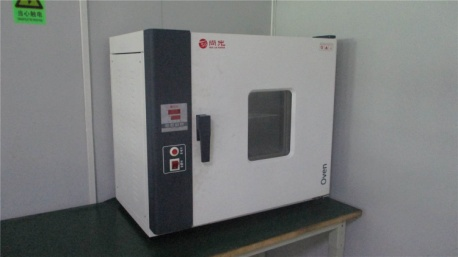
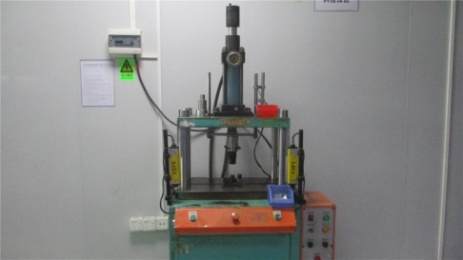
A transparent window into our production floor: Trace the lifecycle of a high-reliability lock motor from raw material input to aging tests.
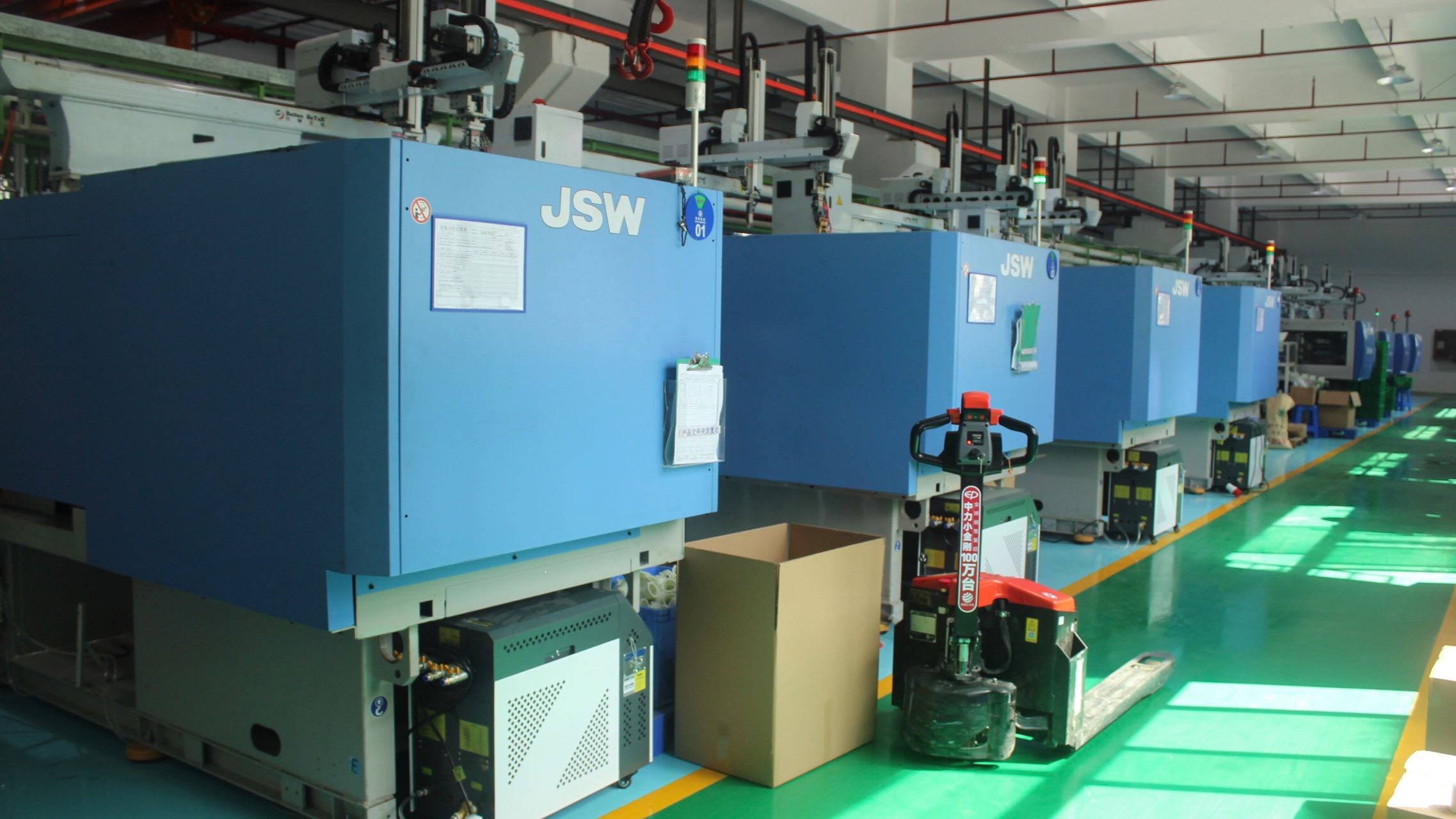
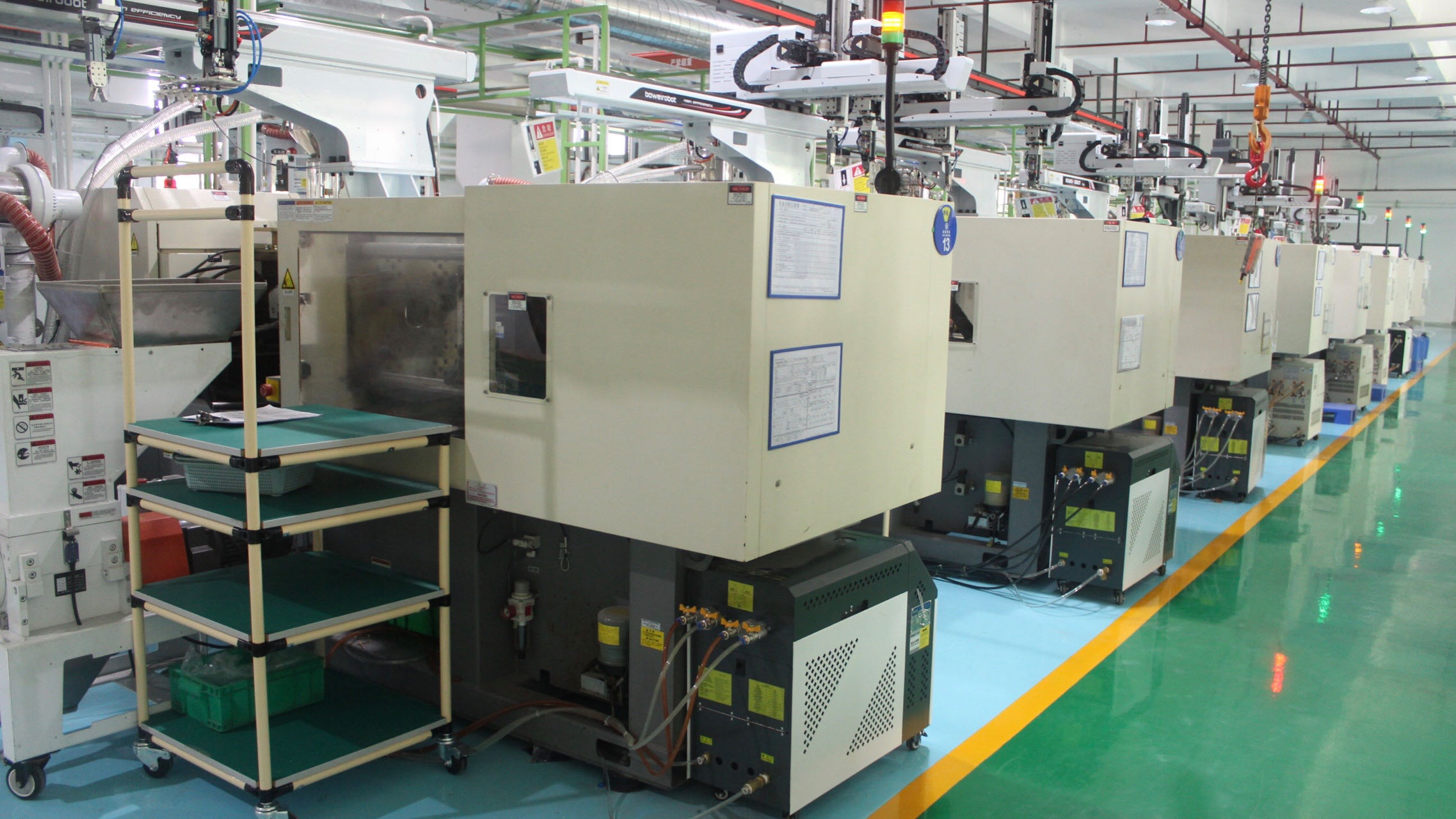

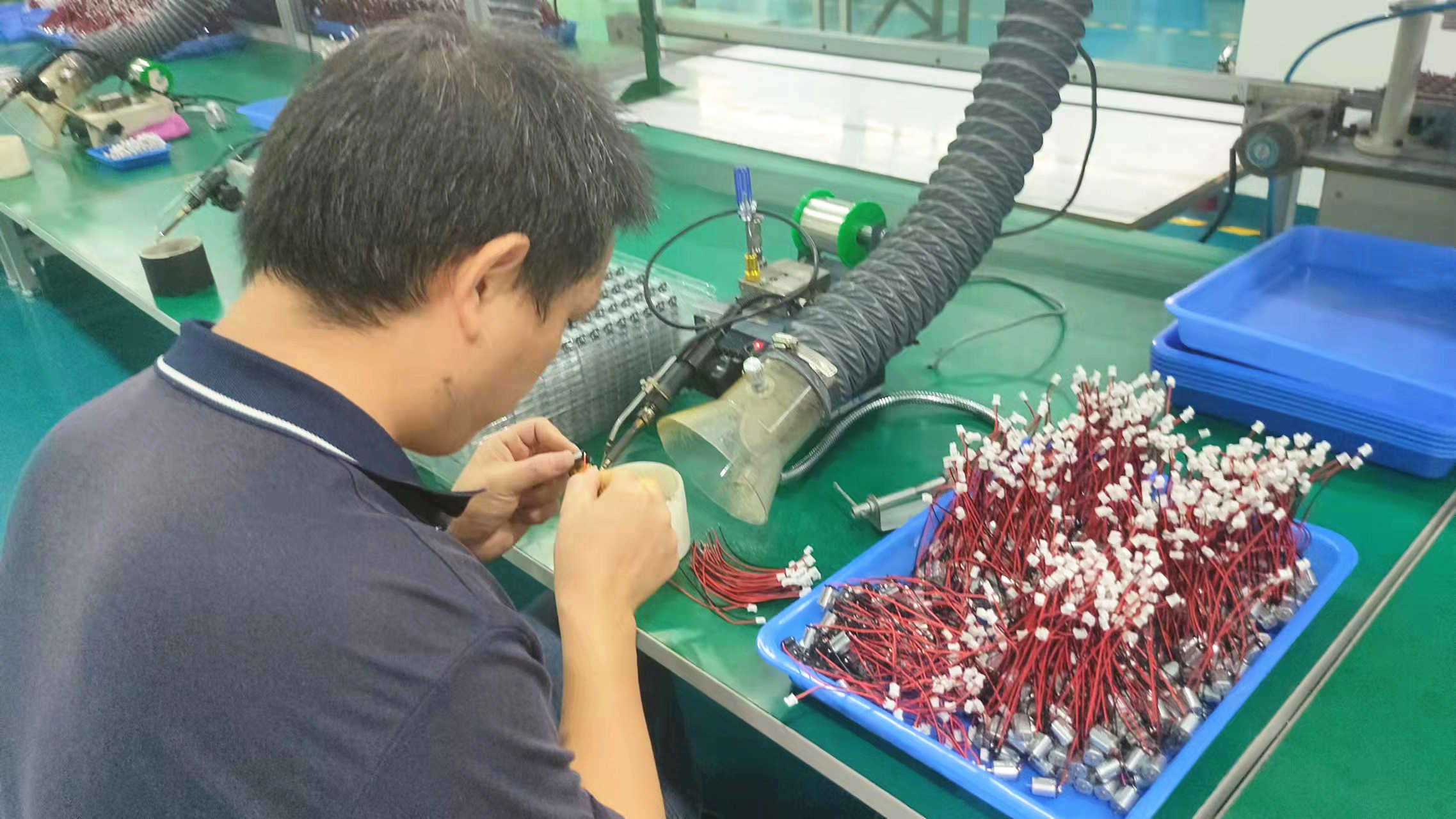
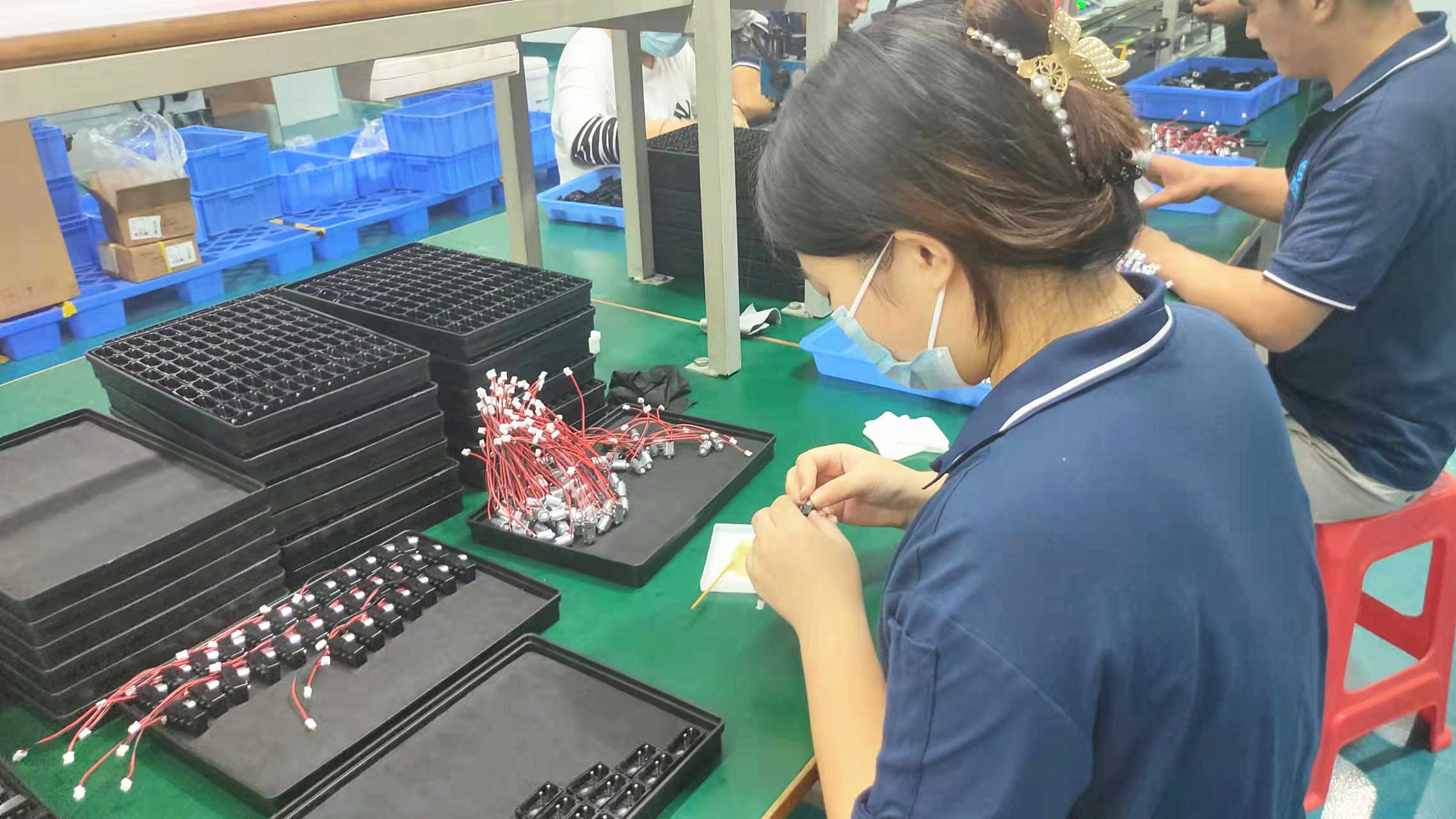
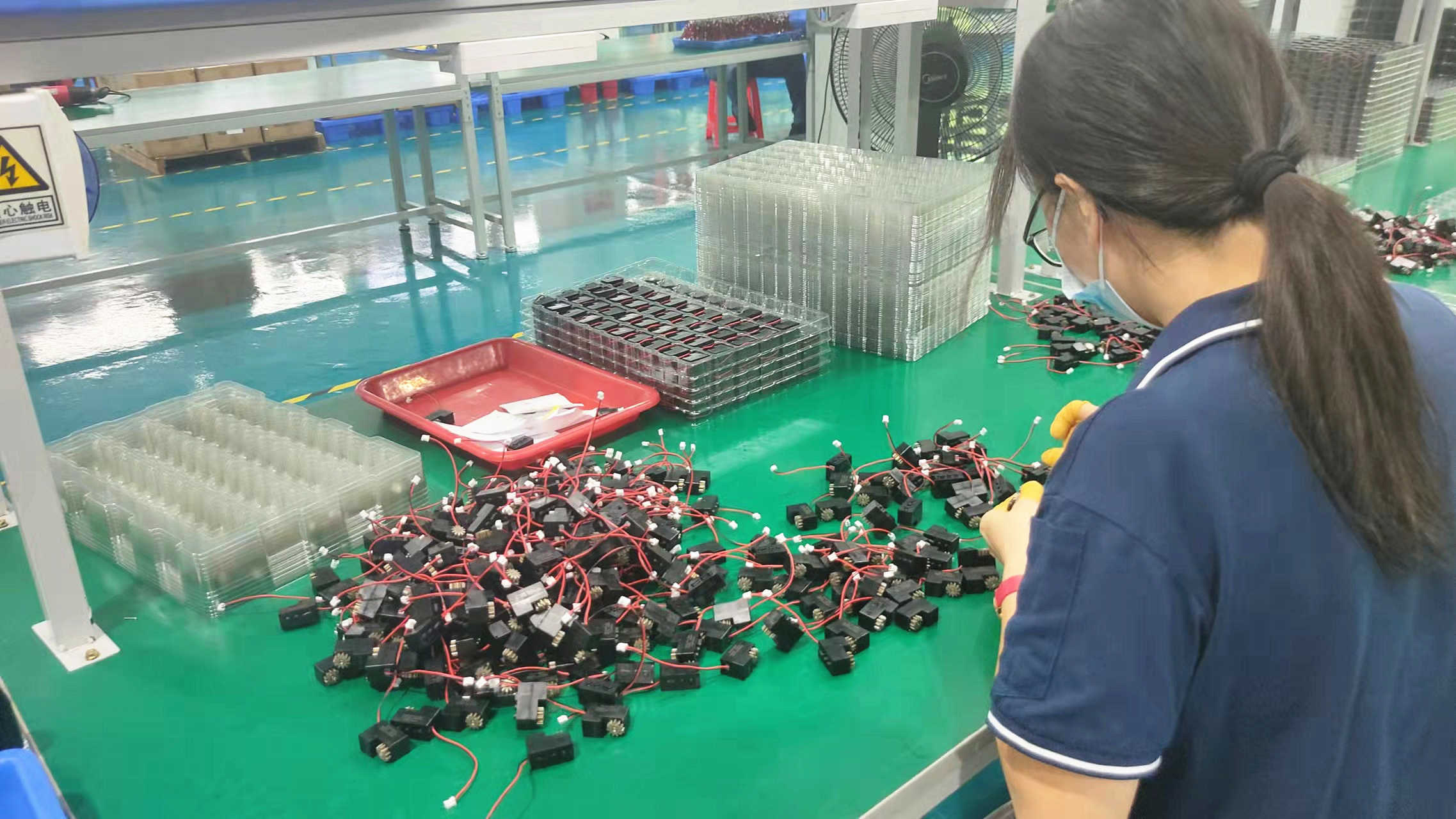
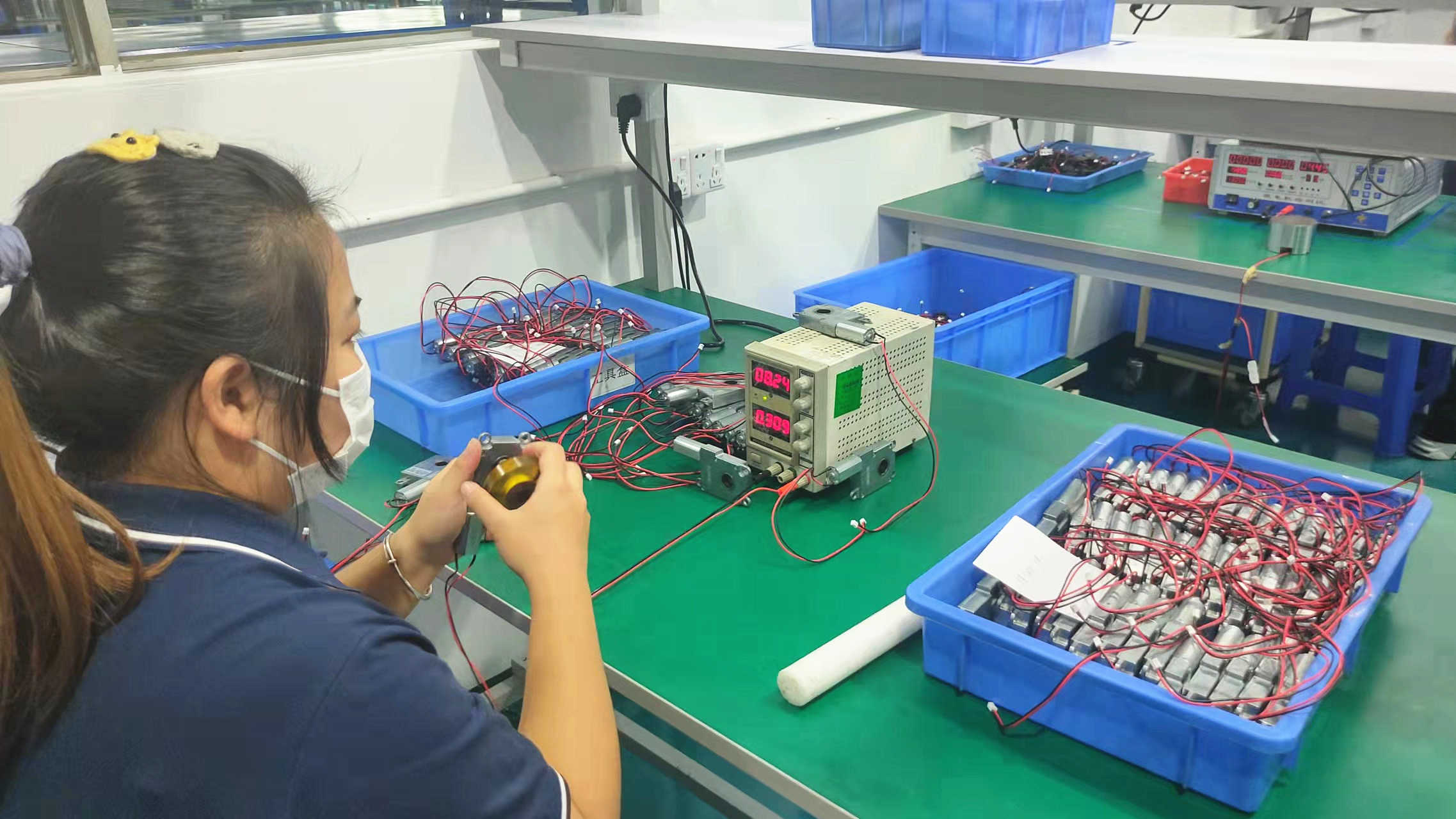
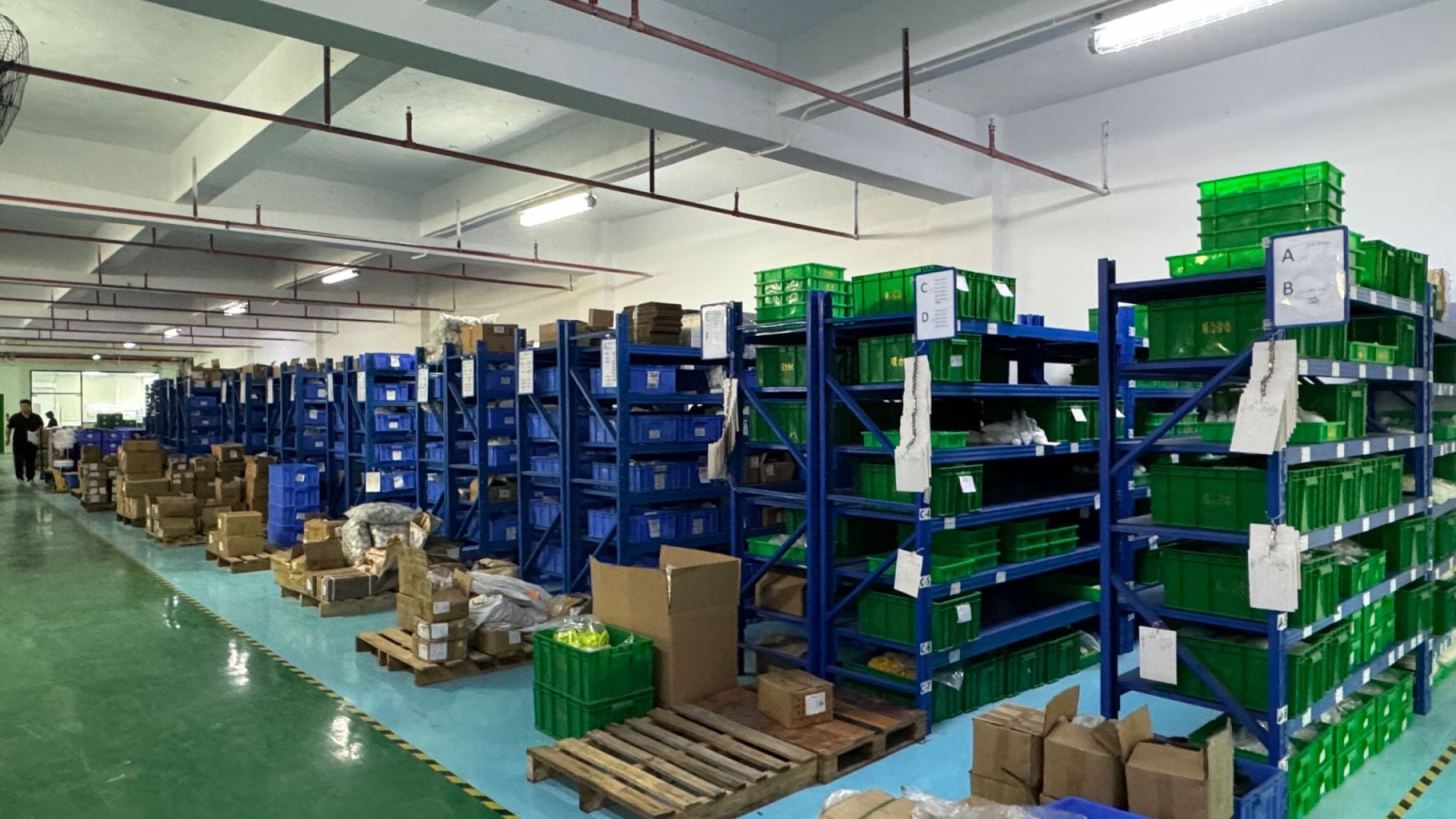
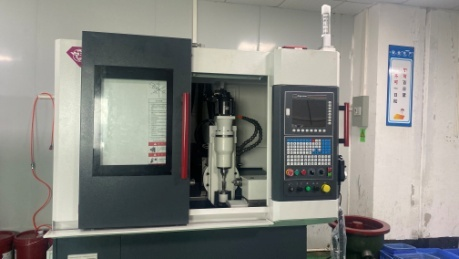
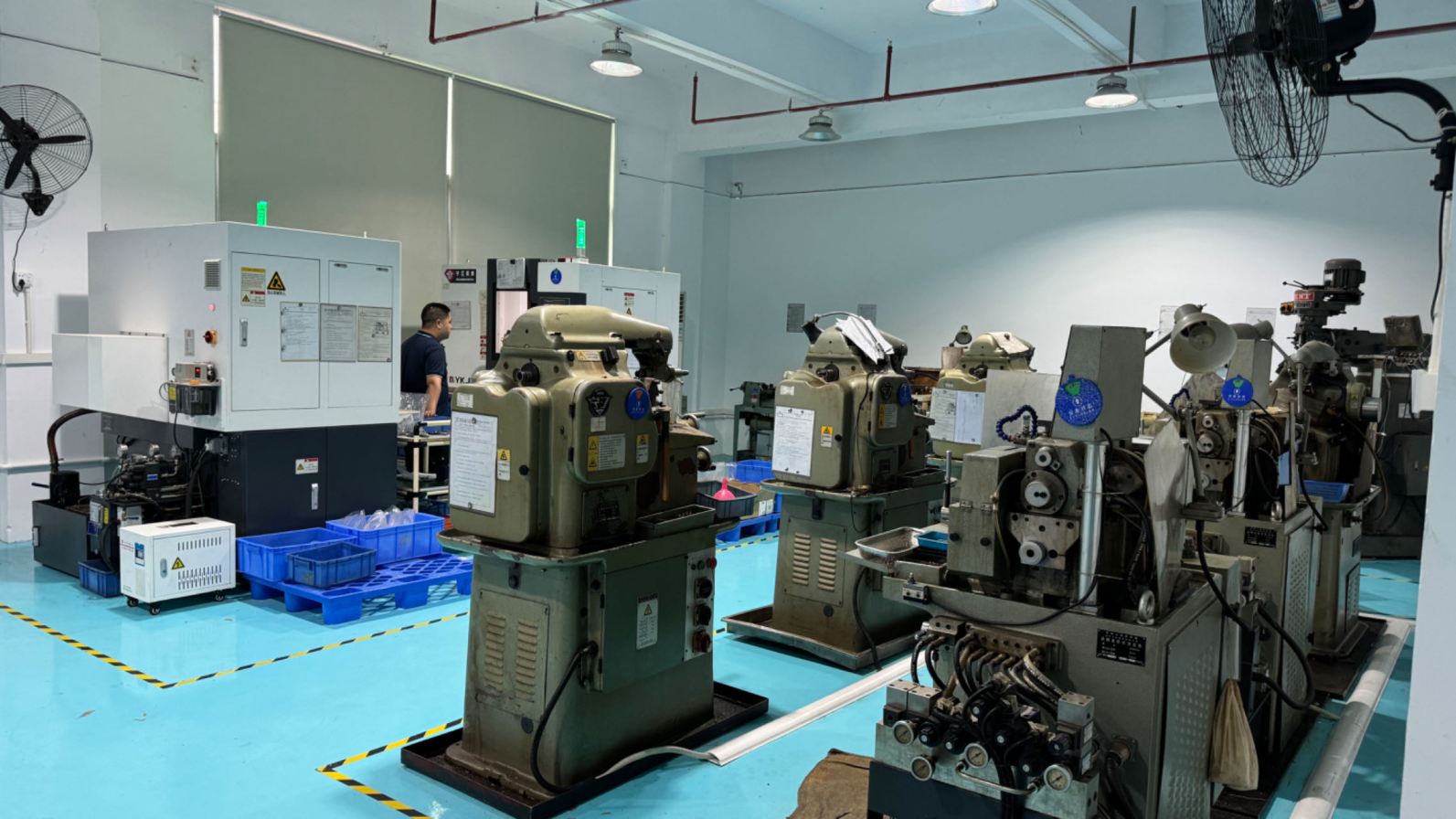
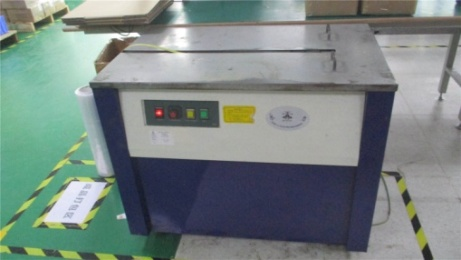
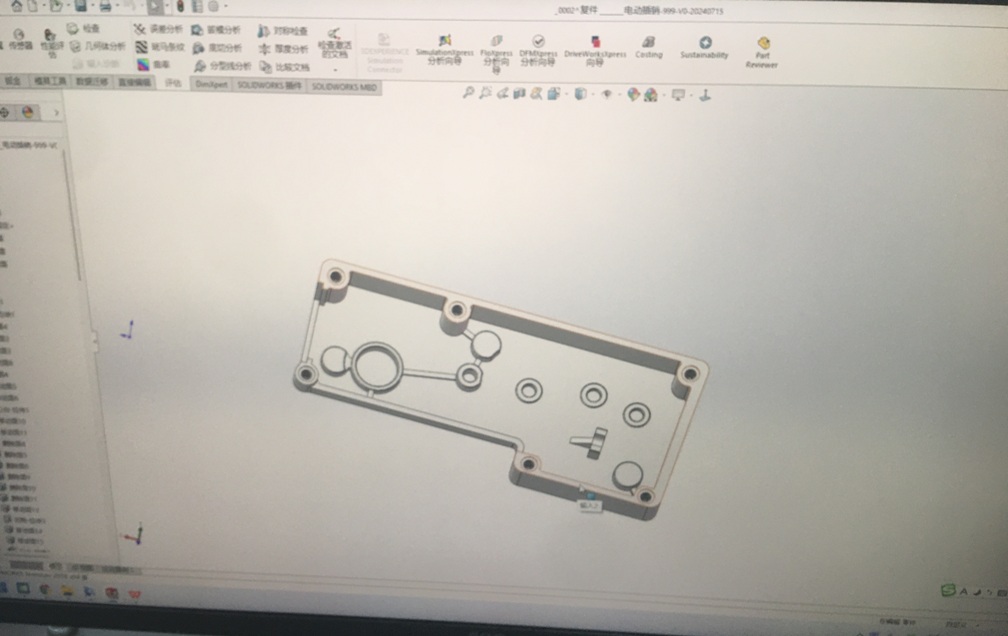
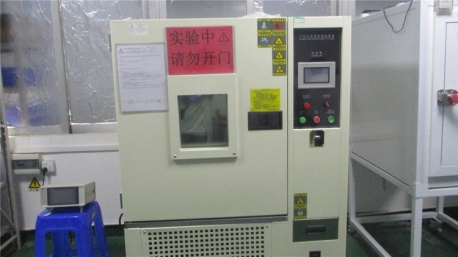
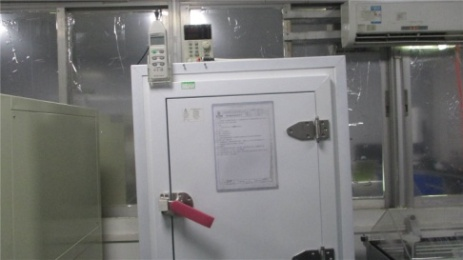
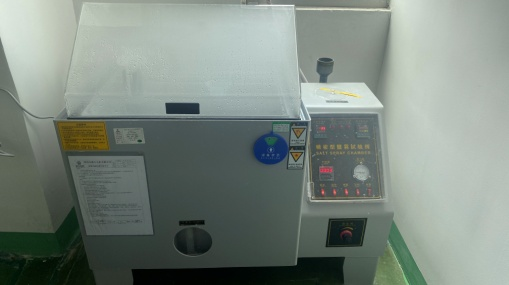
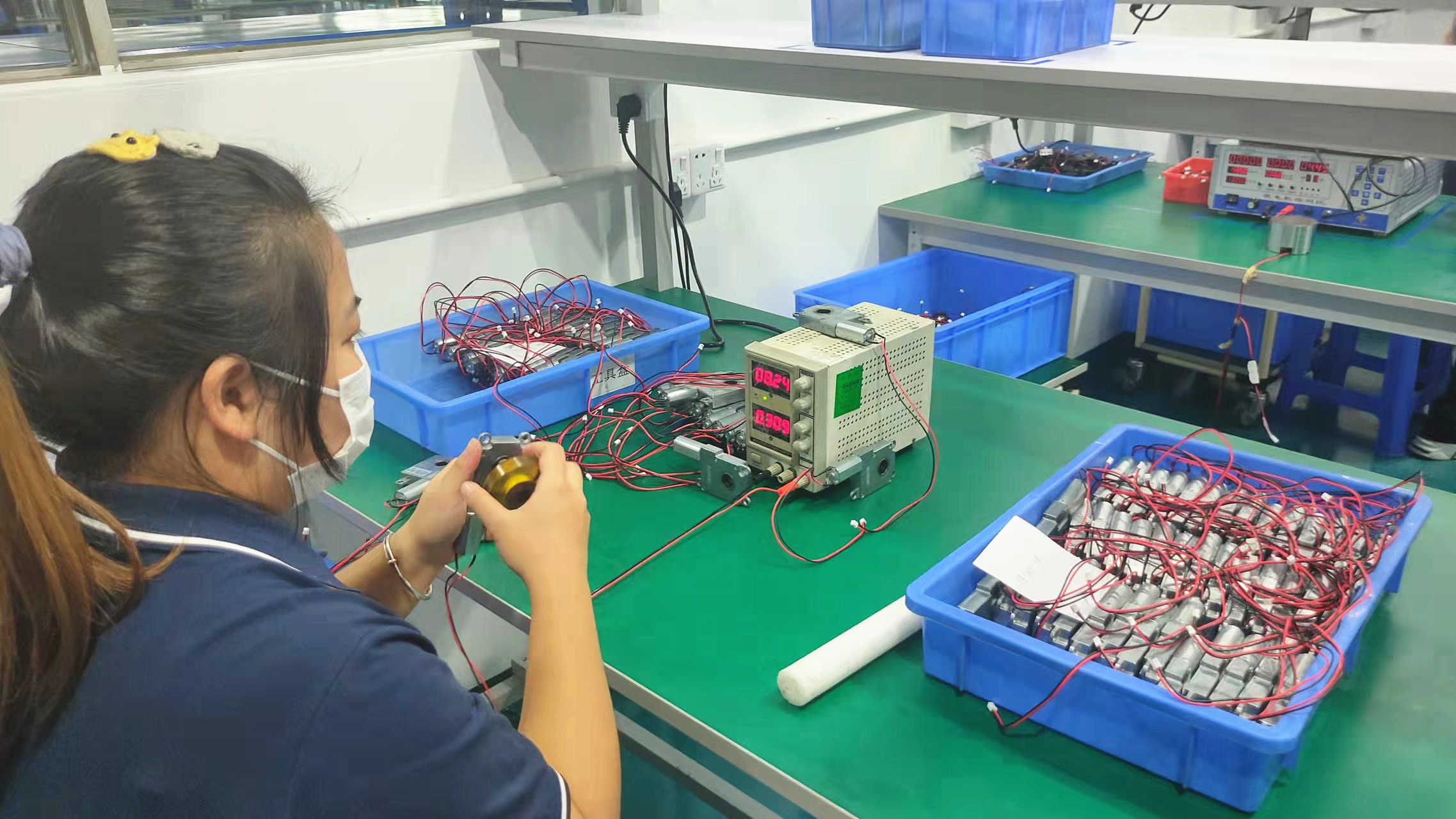
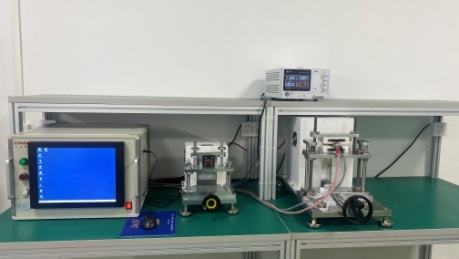
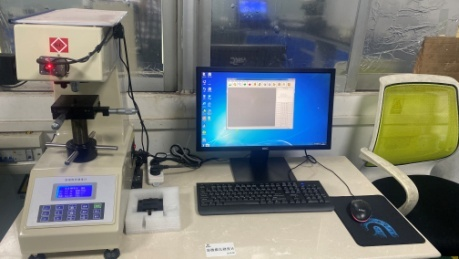
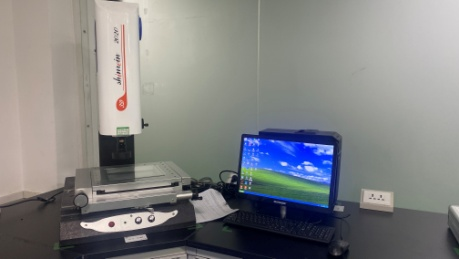
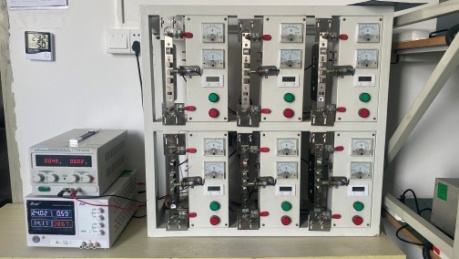
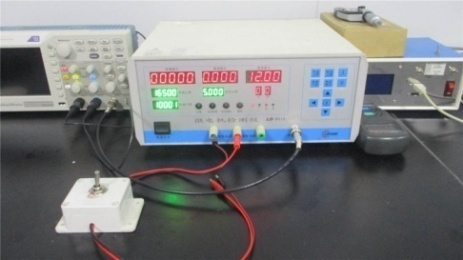
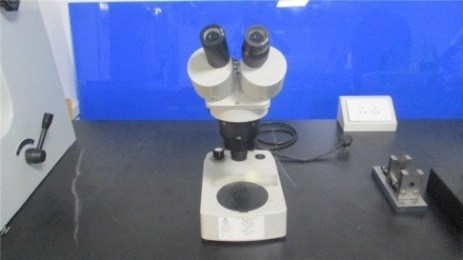
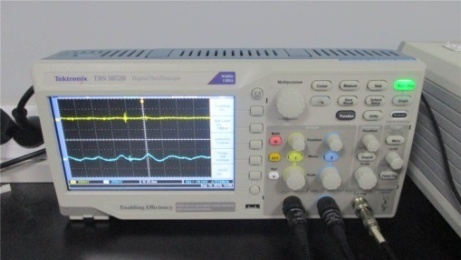
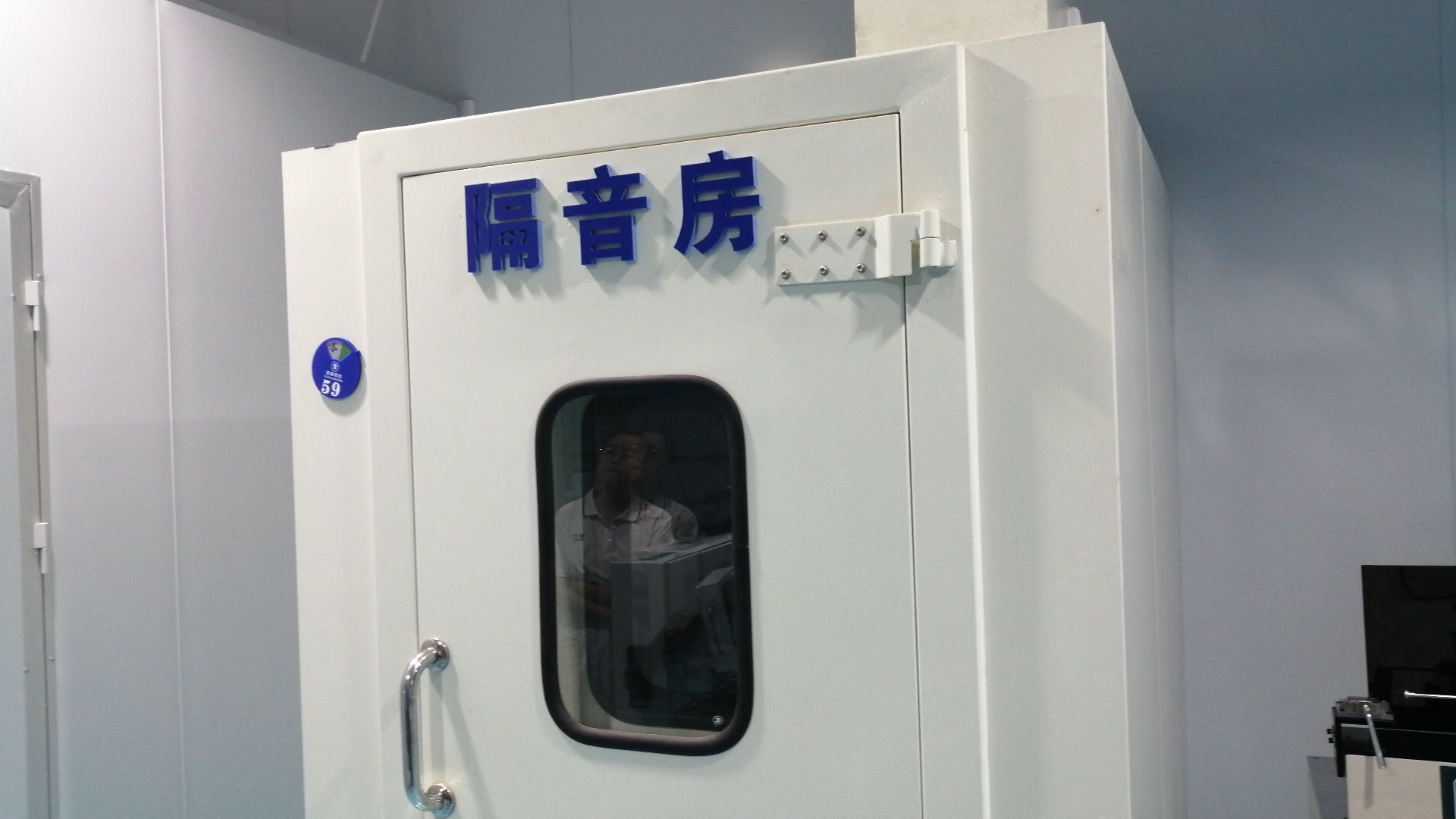
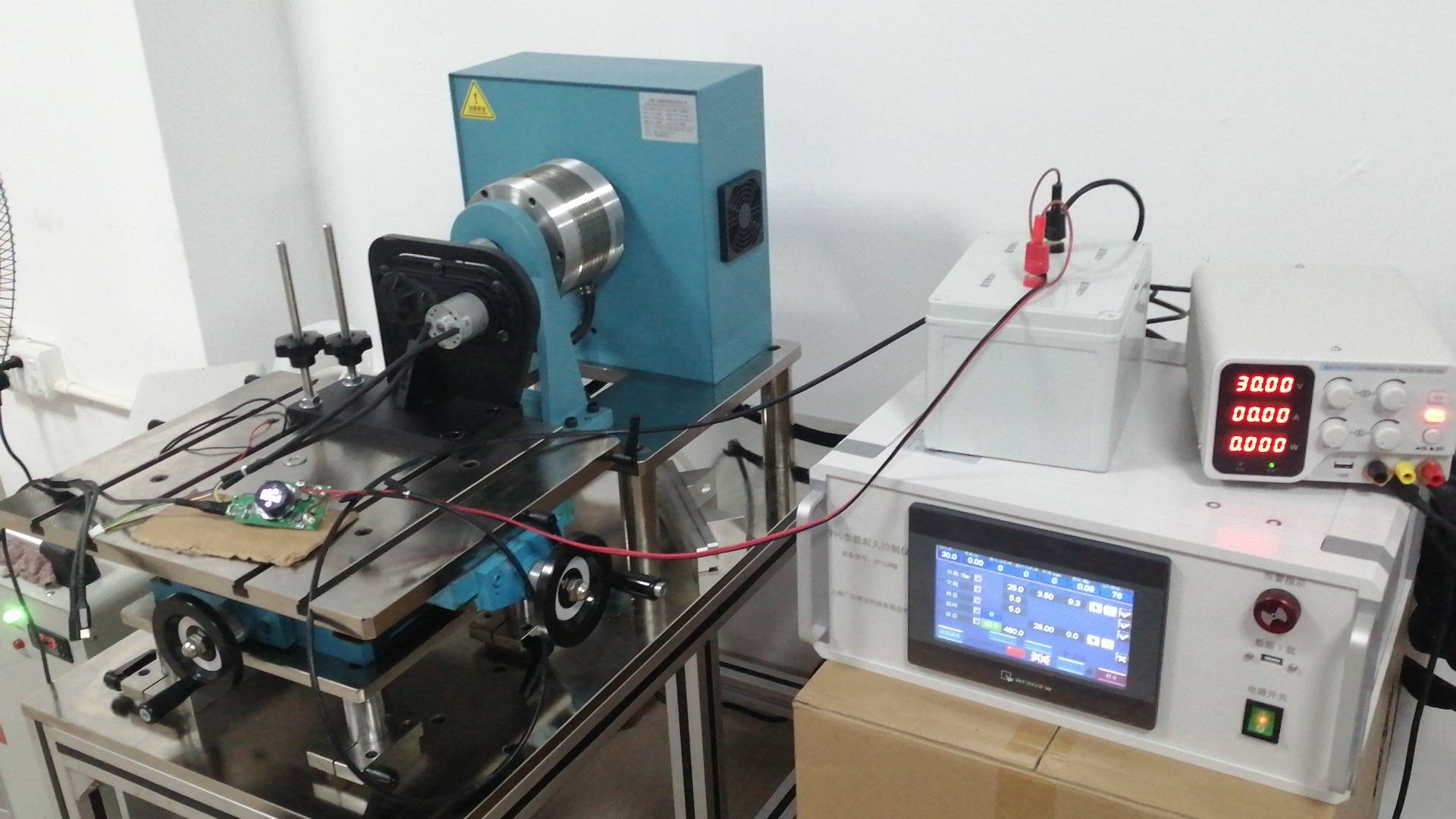
How the mechanical characteristics of micro DC gear motors must change to suit specific locking structures.
Residential lock dynamics require the motor to fit into thin escutcheons. Low power consumption at 3V or 4.5V is critical for maximizing battery lifespan (often targetting >1 year on 4 AA batteries).
High-frequency commercial doors require fast latch retraction and instant clutch engaging. Motor durability must exceed 300,000 operation cycles without structural wear on gears.
Ultra-compact battery-powered locks need micro-sized drives (down to 8mm or 10mm diameter). High-vibration resistance is needed to withstand drop tests and rough mechanical handling.
Critical metrics that procurement departments at tier-1 hardware brands evaluate during lock motor supplier validation.
For large smart lock brands, a field failure rate of a motor can cause massive warranty and replacement costs. Global OEMs require strict Part Per Million (PPM) targets below 500. This is achieved via automated online functional screening of dynamic current, speed, and torque, rather than simple sample testing.
Locks are installed on external coastal gates (marine environment) and in freezing continental regions (-30°C). Global buyers audit the chemical composition of gear lubricants (ensuring no viscosity breakdown at low temperatures) and verify that motor casings undergo >96 hours of salt-spray chamber testing to prevent rust.
Compliance is non-negotiable for target markets like North America and the EU. Raw materials, terminal plastics, wire shields, and magnetic segments must conform to RoHS and REACH directives. Factories must provide trace documentation back to smelting sources to maintain complete regulatory compliance.
Over time, lock alignments shift, increasing the friction on the deadbolt. A quality motor must maintain sufficient stall torque overhead to force open tight frames, while containing advanced limit protection to prevent coil burnout when stuck.
Direct answers from our engineering team on critical interface challenges, electrical properties, and mechanical selection.
Extended specifications featuring custom gearboxes, low-rpm options, and premium brush configurations.