Zonix Motor
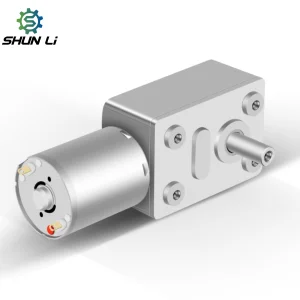
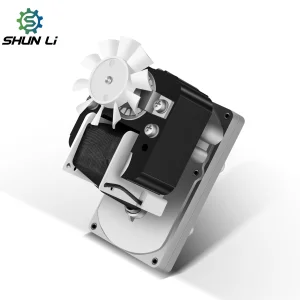
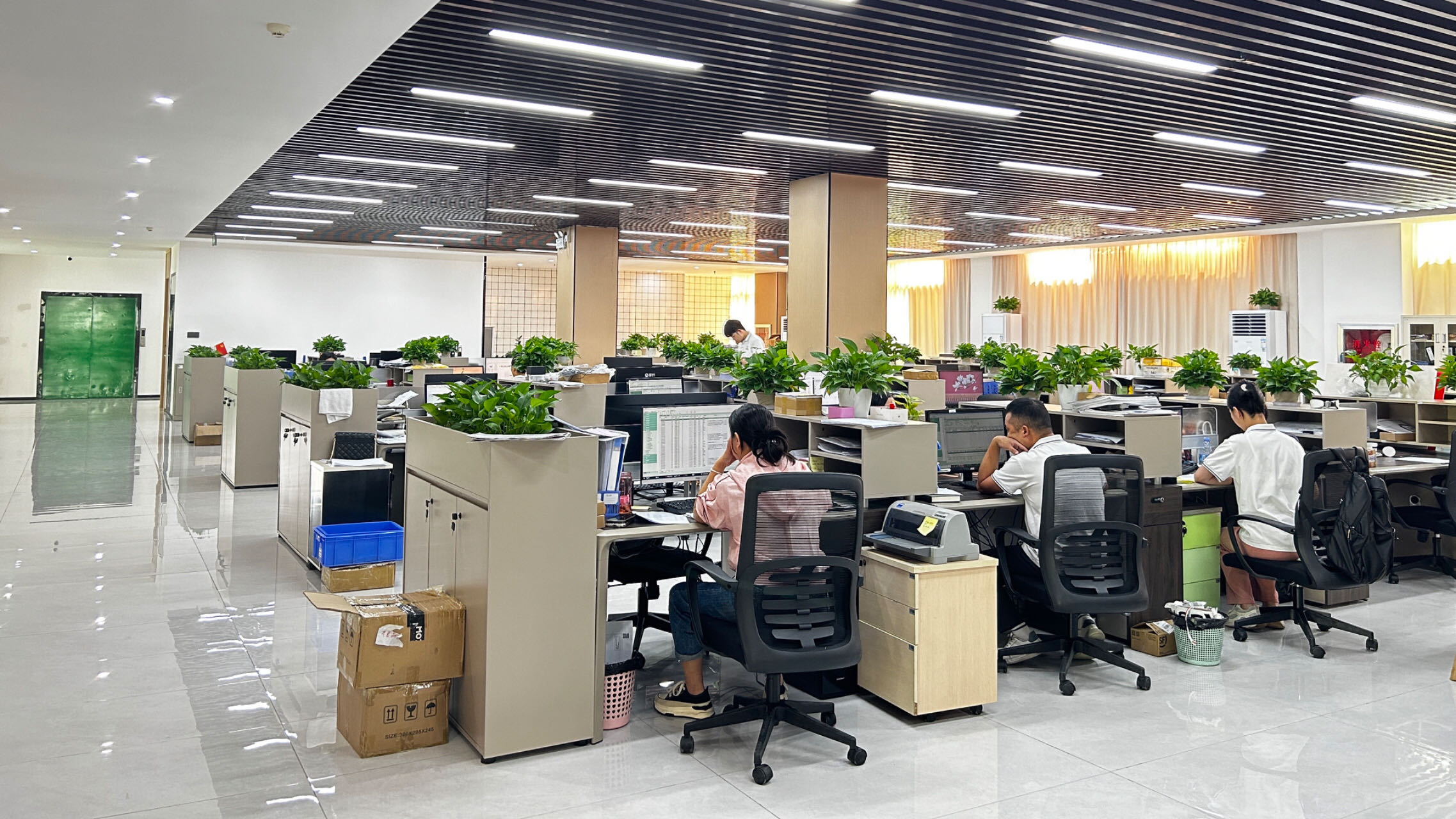
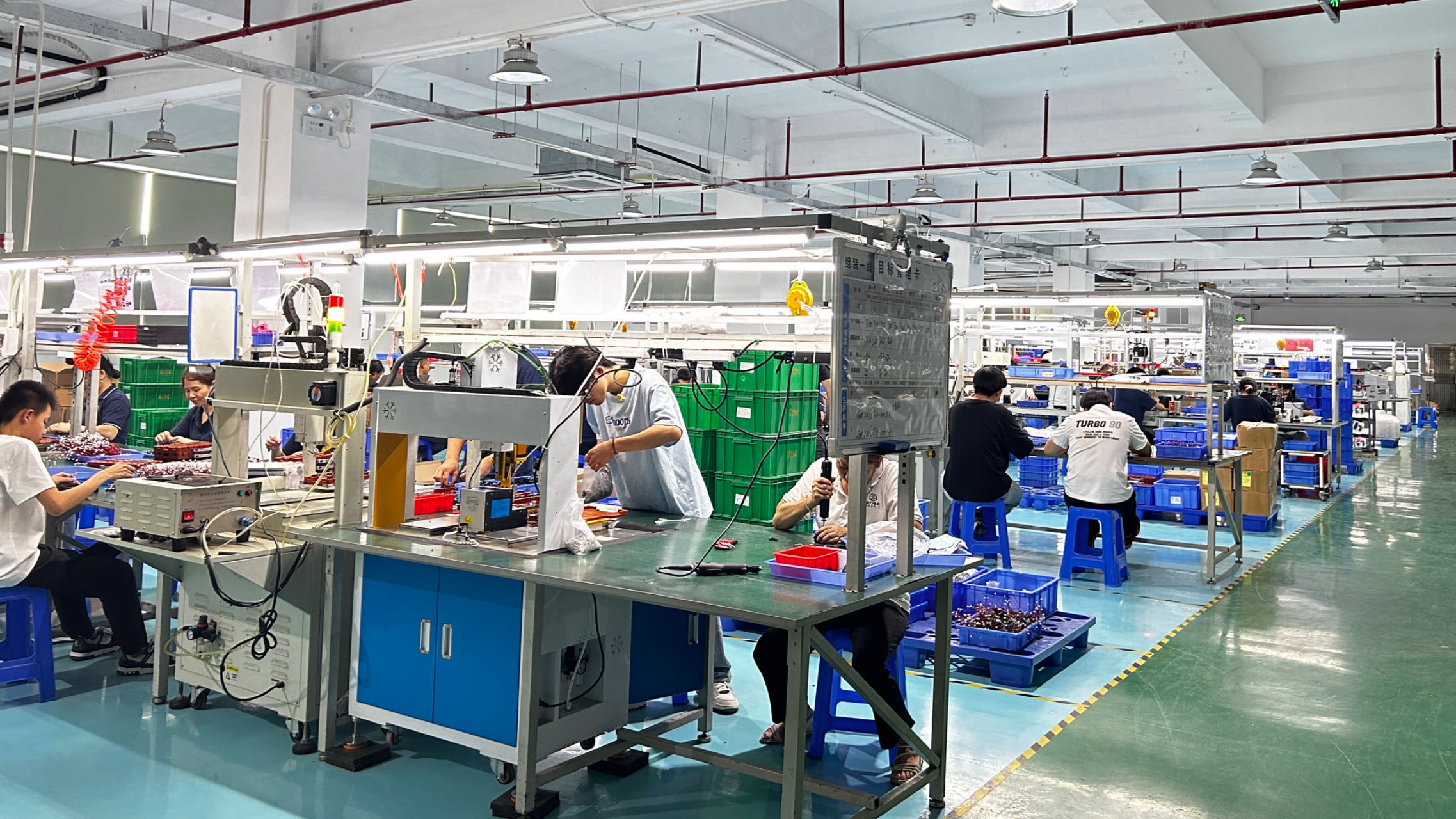
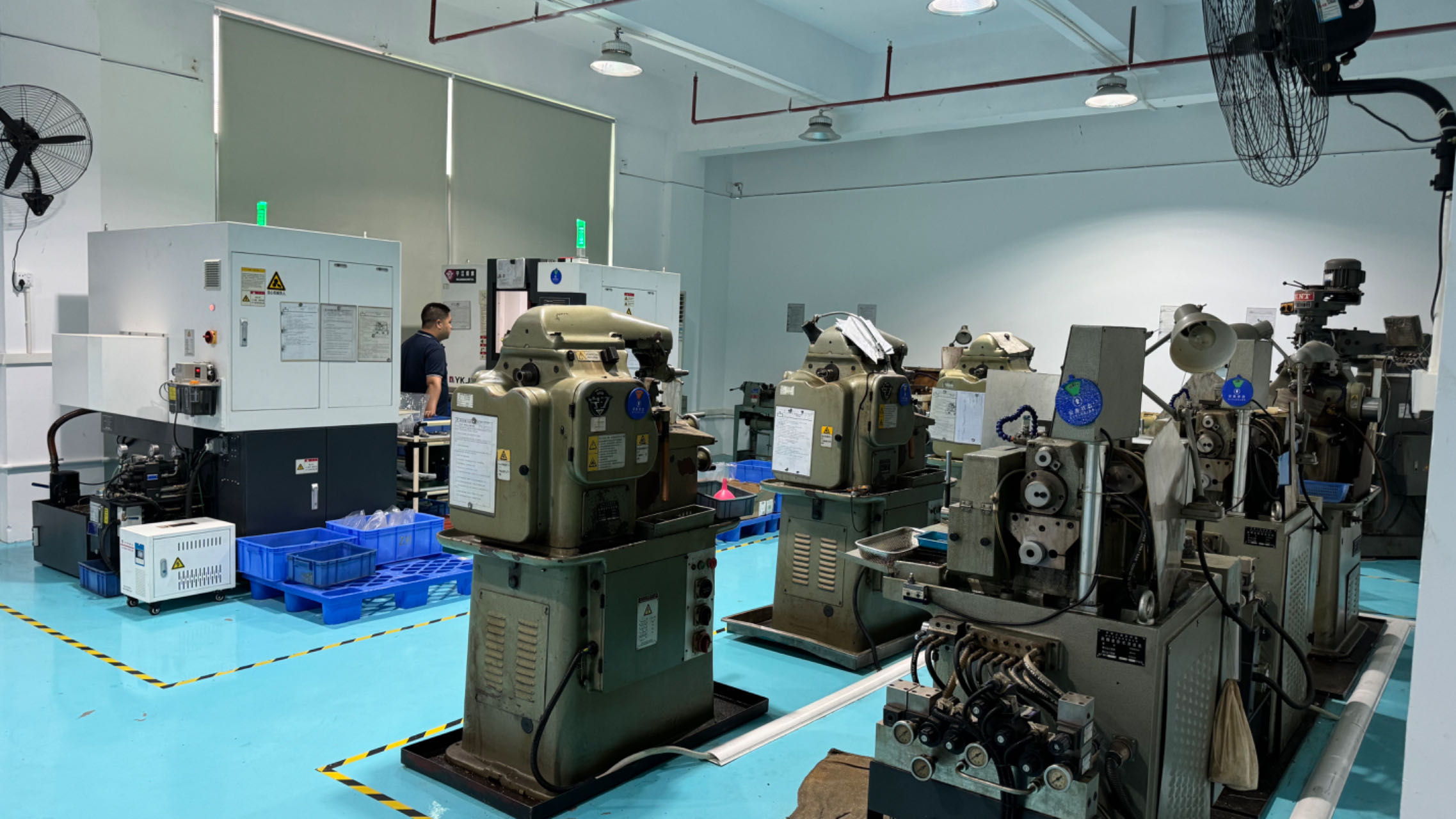
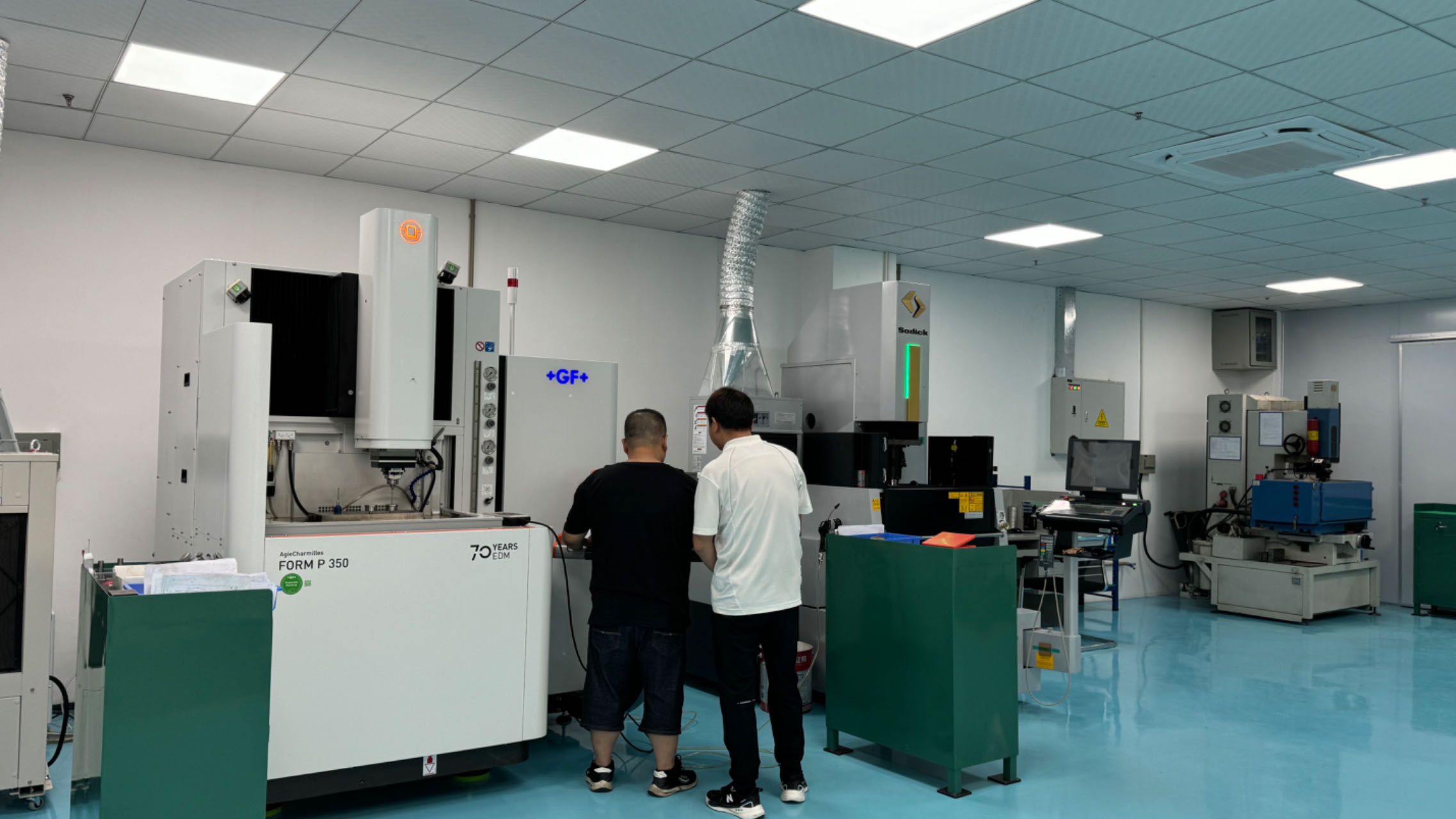
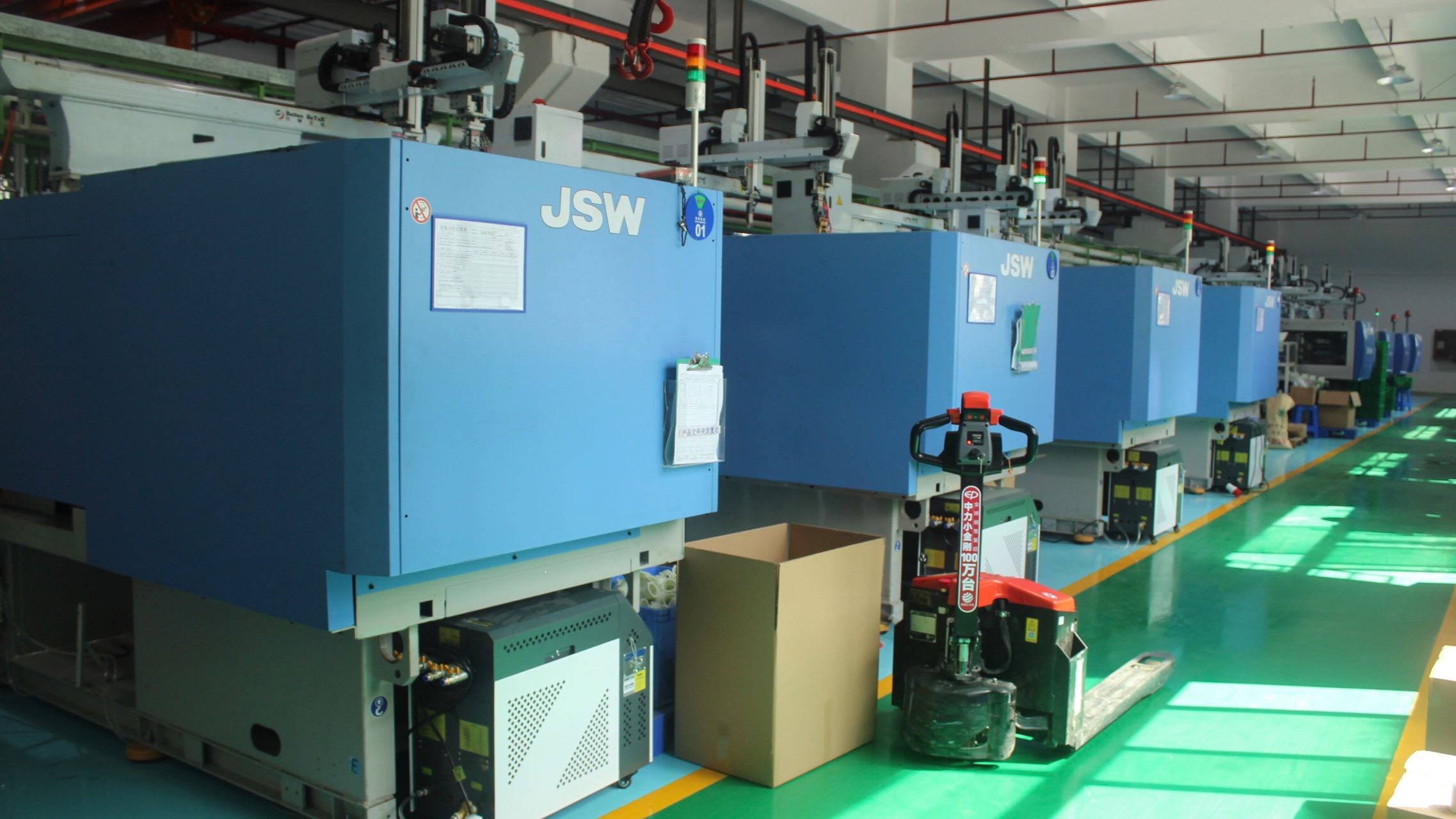
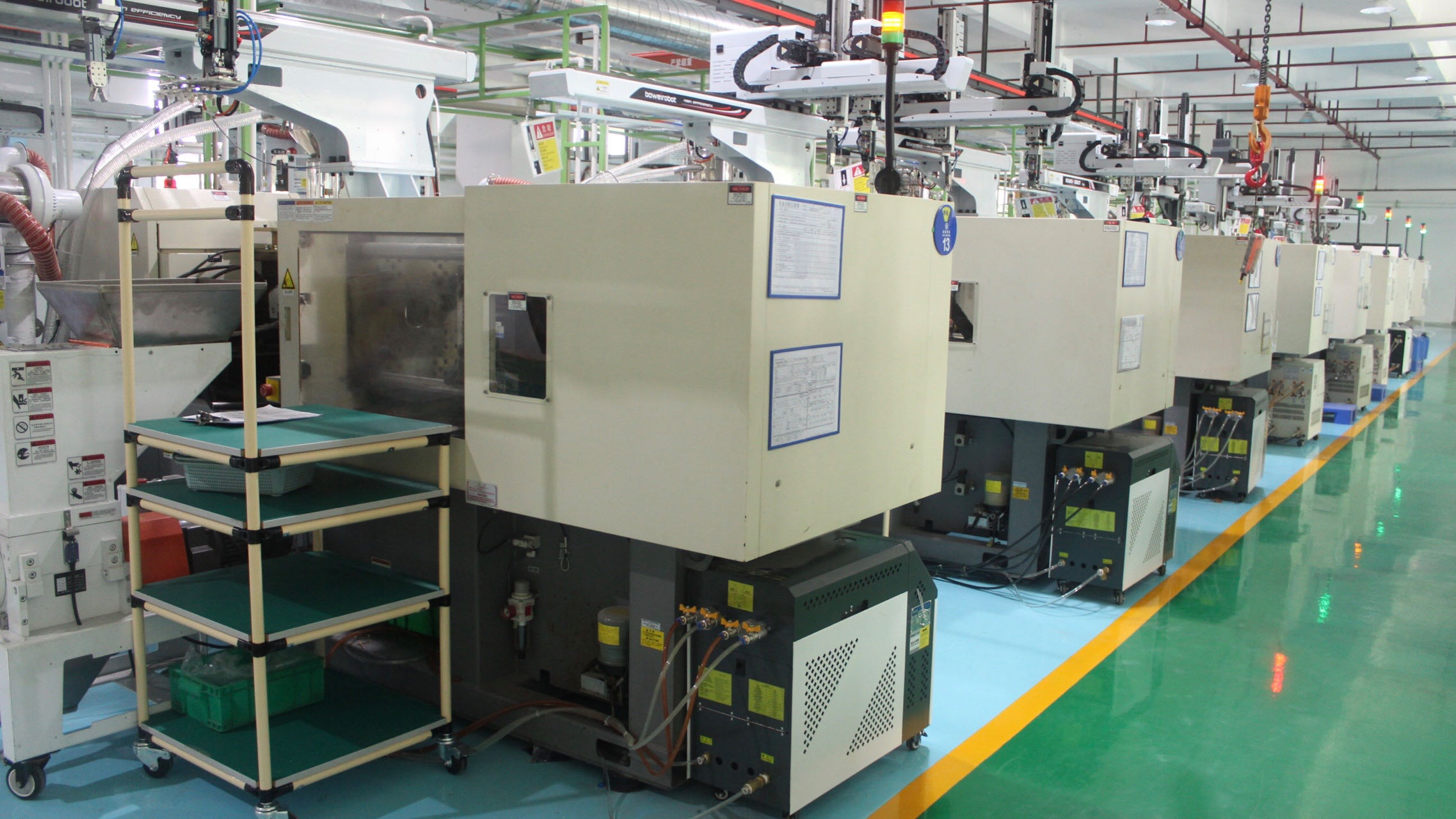
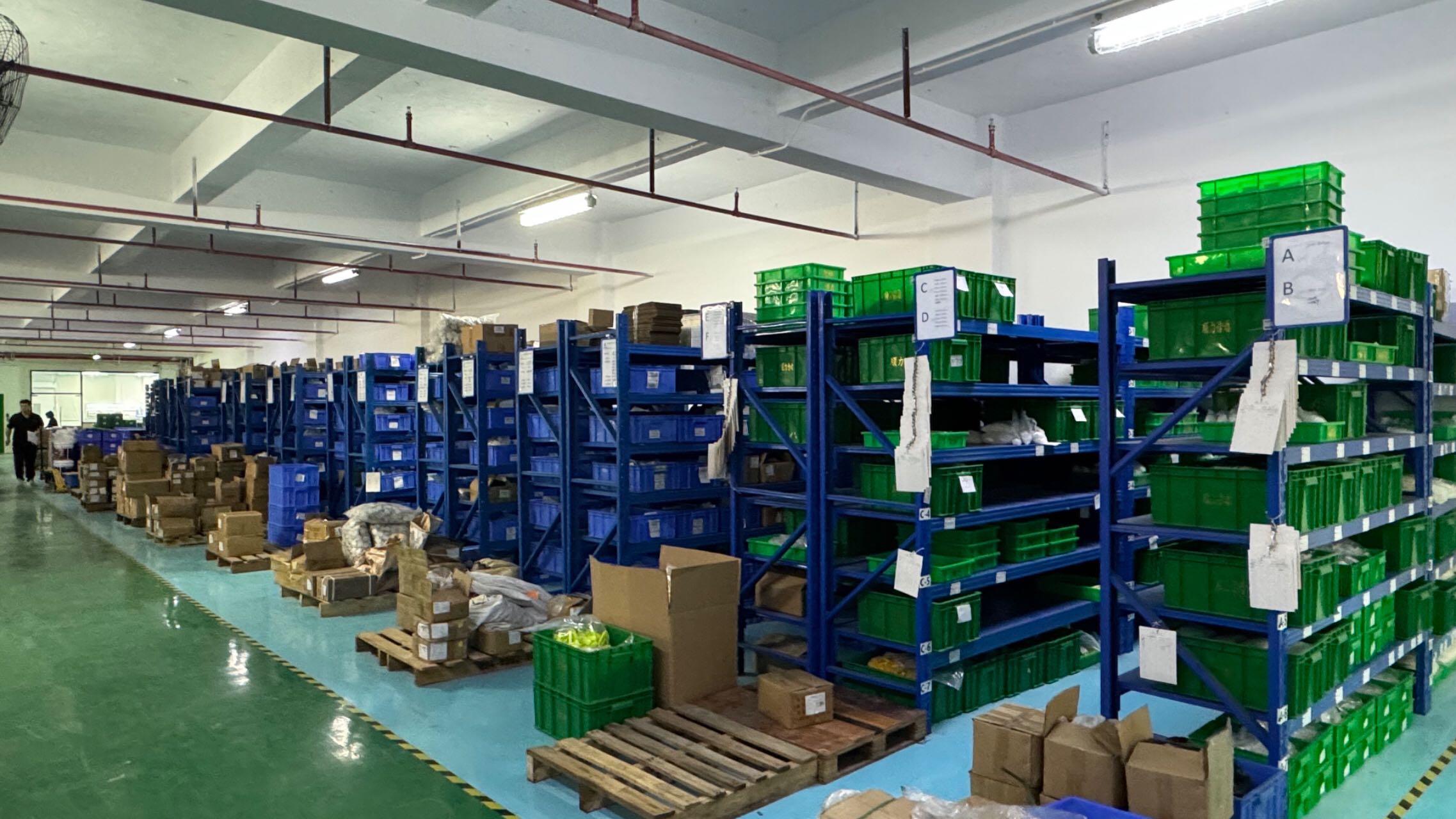
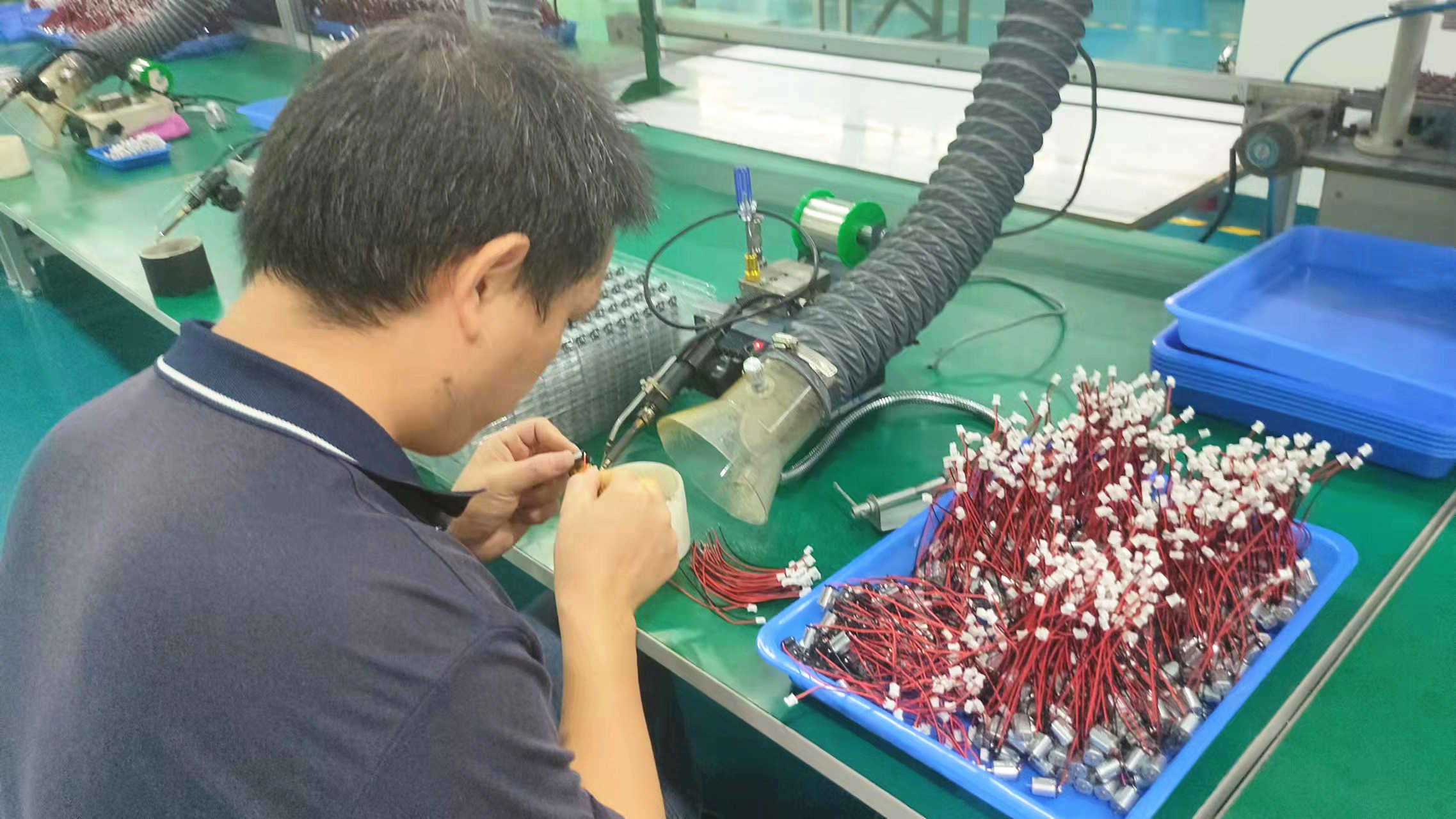
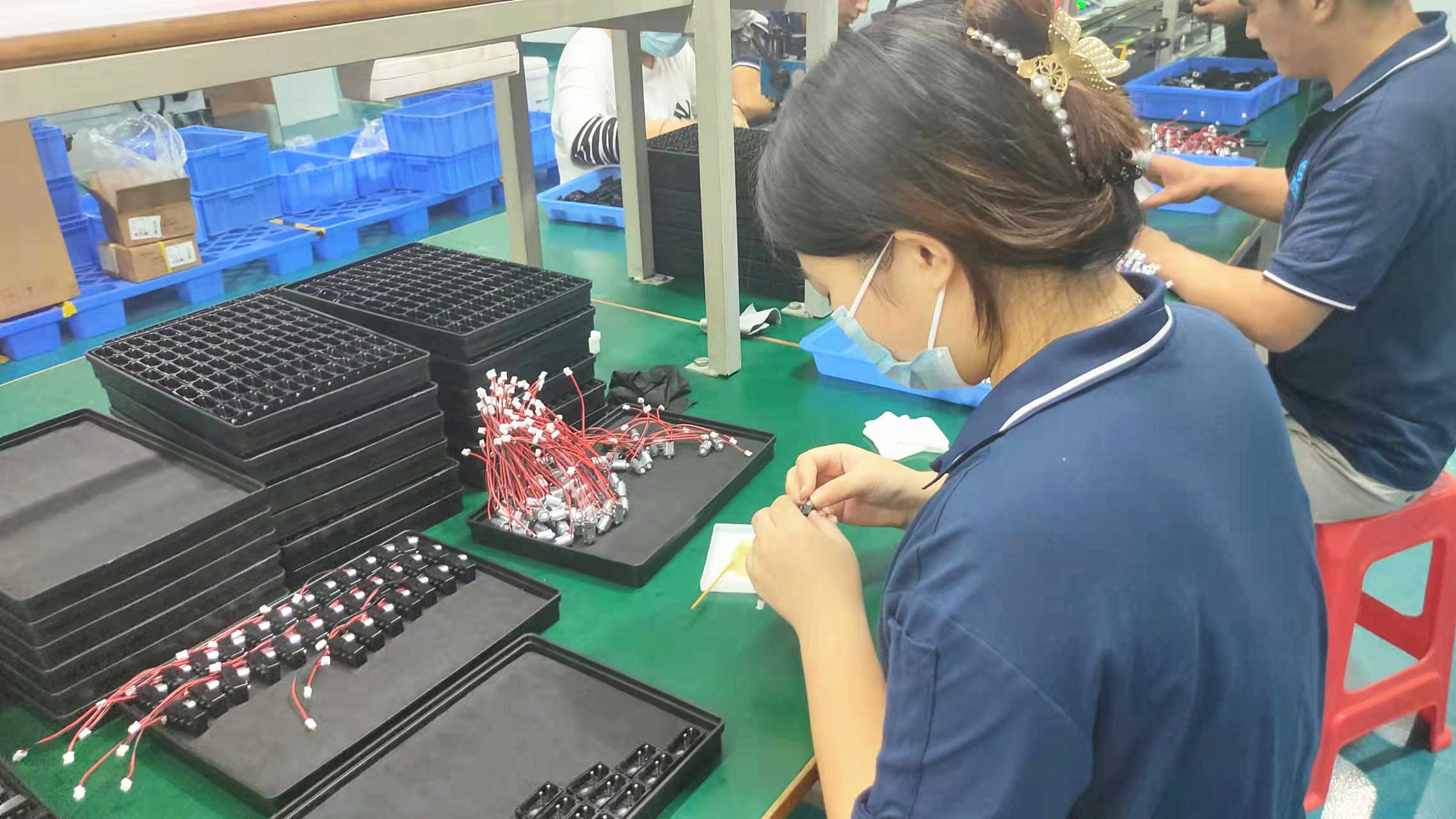
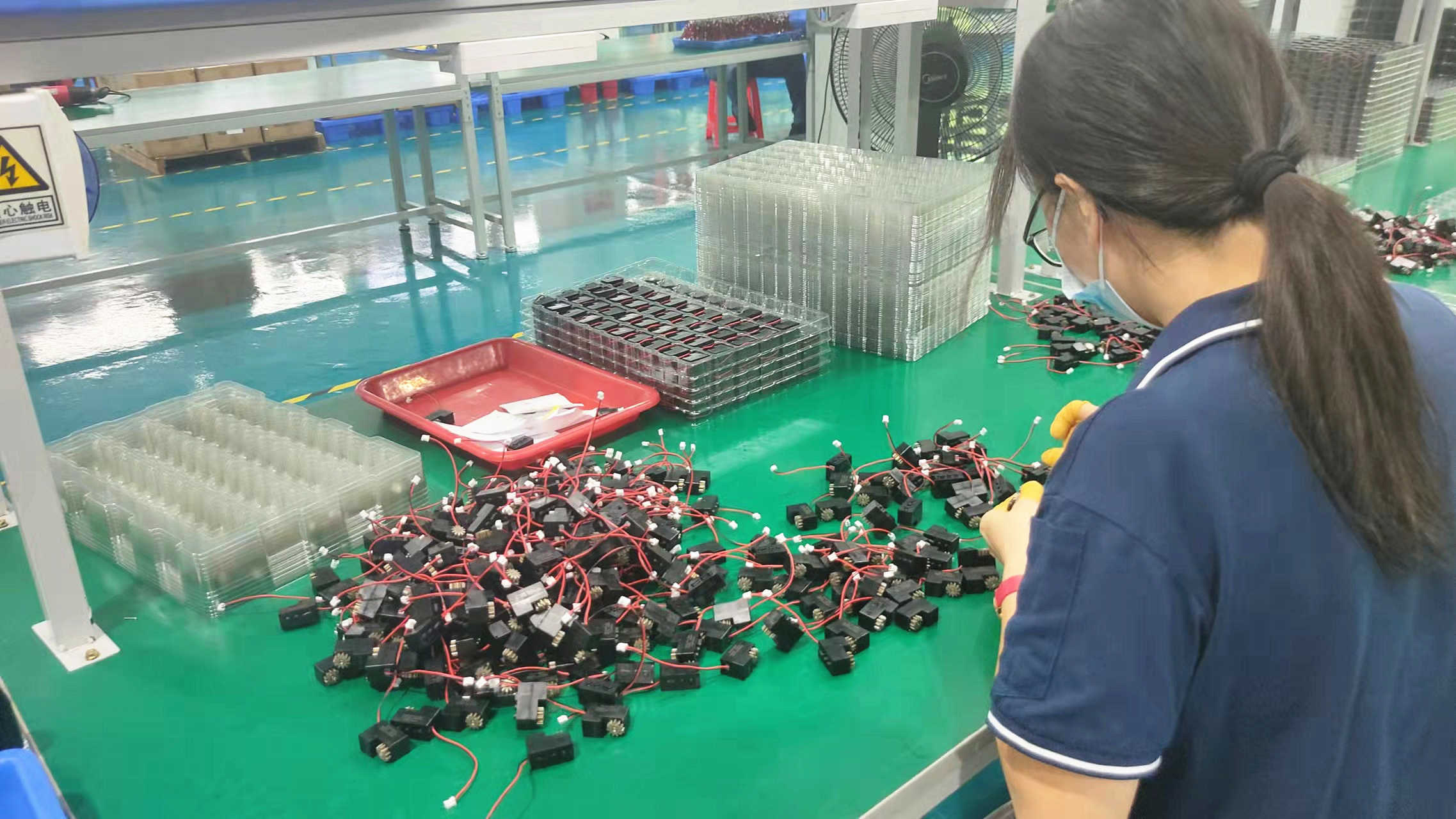
Purchasing managers and hardware designers looking for reliable unipolar stepper motor suppliers look to Chinese manufacturers to maximize quality-to-cost metrics. China's motor industry has moved beyond cheap mass-production to advanced precision manufacturing. This shift is supported by massive local raw material supply chains, highly automated production lines, and specialized technical schools that produce skilled electrical and mechanical engineers.
1. Direct Access to High-Grade Rare Earth Elements
Stepper motors depend on strong permanent magnets in the rotor (like Neodymium-Iron-Boron or Strontium Ferrite magnets). Because China is the world's leading refiner of rare earth minerals, local factories get priority access to these magnetic materials. This lets Chinese factories produce motors with high holding torques and excellent magnetic stability at much lower material costs than overseas competitors.
2. Complete Micro-Automation Ecosystems
By grouping component suppliers—such as stator lamination stamping plants, enamel copper wire extrusion houses, precision gear cutters, and die-casting shops—into regional industrial clusters (like Guangdong, Zhejiang, and Jiangsu), China minimizes shipping times and logistics costs. Suppliers can quickly modify shaft dimensions, gear pitches, and wire gauges to deliver custom OEM prototypes in days rather than weeks.