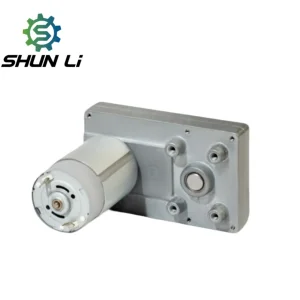
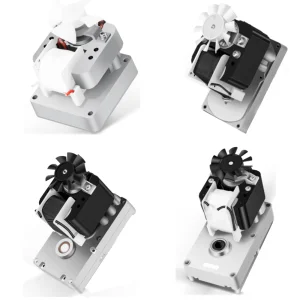
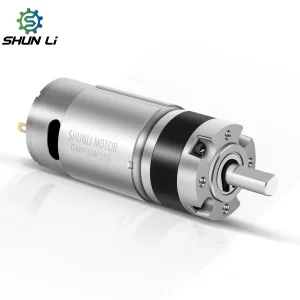
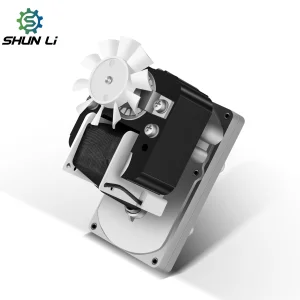
Zonix Motor
Zonix Motor
Zonix Motor
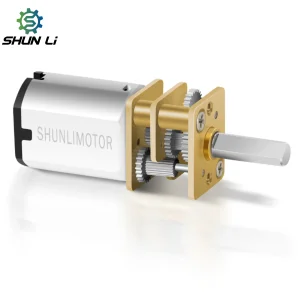
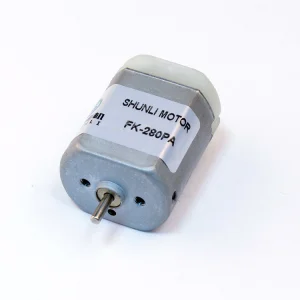
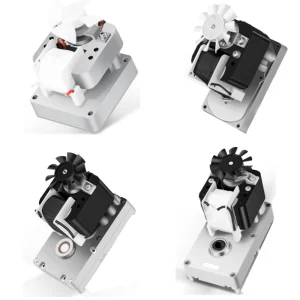
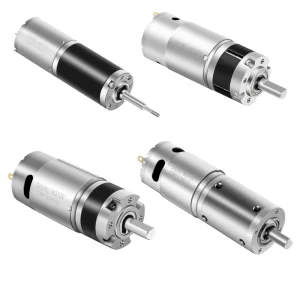
Featured components engineered for robotics, medical systems, and intelligent machine control.
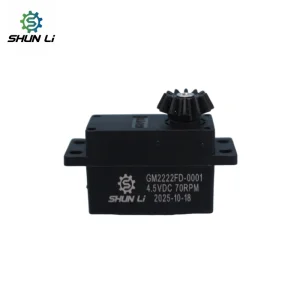
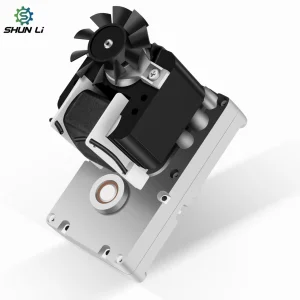
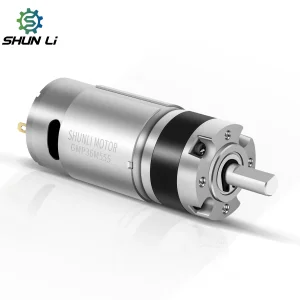
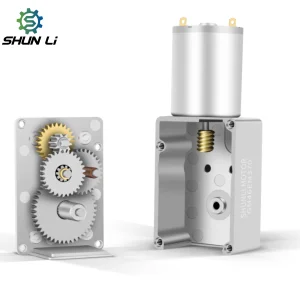
Decades of Masterful Precision Engineering in Micro Drives and Custom Rotational Architecture
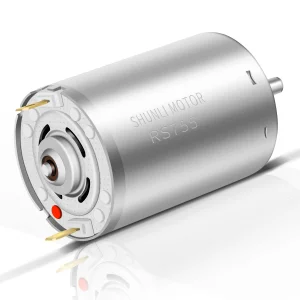
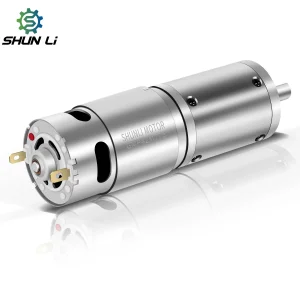
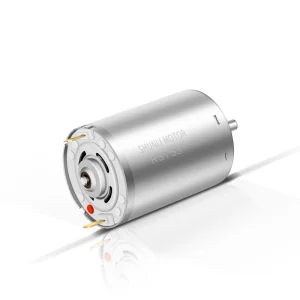
At Zonix Motor, we master the physics of rotation to power the technologies of tomorrow. As a premier certified manufacturer specializing in high-performance Micro DC Motors, DC Gear Motors, and Brushless DC Motors (BLDC), we have spent two decades engineering miniature motion solutions where high torque, silent acoustics, and enduring lifespans intersect.
Operating from our state-of-the-art, ISO9001-certified manufacturing facility, Zonix Motor bridges the gap between China’s world-class supply chain efficiency and international engineering rigor. Our compact micro-drives and hollow shaft variants are trusted globally by product designers and R&D engineers in smart home automation, medical equipment, automotive electronics, and precision robotics—performing flawlessly under strict space and load constraints.
We do not believe in one-size-fits-all hardware. Zonix Motor thrives on flexible OEM/ODM custom engineering. Backed by an elite in-house technical team holding multiple motor-tech patents, we offer rapid prototyping and seamless technical support. From specialized gear ratios and custom shaft configurations to precise voltage tuning, we design the silent, robust vortex that drives your product's success.
The Evolution of Rotational Integration in Smart Automation & Robotics Ecosystems
Modern industrial automation is undergoing a seismic shift. The transition from legacy coupled solid-shaft configurations to advanced direct-drive and hollow-shaft architectures has transformed system topologies. A hollow shaft motor features a central mechanical bore (through-hole) that runs completely through the center of the rotor and stator. This geometrical structure presents an elegant solution to one of electro-mechanical engineering’s oldest constraints: cable management and space optimization.
By routing control wires, power cables, pneumatic hoses, laser apertures, or fiber optics directly through the rotating axis, engineers completely eliminate the structural vulnerability of external wiring loops. This layout reduces the risk of cable stress, tangling, and mechanical wear, boosting overall system reliability. On a global scale, the market for hollow shaft motors is expanding rapidly, fueled by demands for micro-precision in surgical robots, pick-and-place packaging gantries, and automated optical measurement platforms.
By utilizing the internal bore space for routing or integration of concentric axes, overall system layout volume is reduced by up to 40% compared to offset belt-driven systems.
Direct drive hollow shaft BLDC motors couple directly to the load, removing gearboxes and mechanical couplings, thereby achieving near-zero hysteresis and sub-arcsecond positioning resolution.
Fewer mechanical wear points mean friction losses are minimized, dramatically extending the Mean Time Between Failures (MTBF) in round-the-clock factory lines.
Where Magnetic Science, Control Electronics, and Materials Convergence Intersect
The technical progression of hollow-bore electric motors is defined by three fundamental vectors: torque density improvement, encoder integration density, and thermal dissipation control. In traditional designs, widening the inner hollow diameter meant increasing the stator volume, which negatively impacted motor efficiency. Modern material science has resolved this via high-coercivity rare earth magnets (NdFeB) and optimized winding layouts.
| Technology Parameter | Legacy Hollow Shaft Motors | Next-Gen (Zonix Optimized) Systems | Impact on Industry Application |
|---|---|---|---|
| Winding Factor & Efficiency | Manual wave windings (~65% slot fill factor) | Orthocyclic precision needle winding (>80% slot fill) | Higher continuous torque output at 15% lower operational temperatures. |
| Magnetic Topology | Standard radial ferrite/NdFeB magnets | Segmented high-grade NdFeB with customized skewing | Minimizes cogging torque, allowing smooth sub-micron speed control. |
| Encoder Integration | External bulky absolute optical encoders | Integrated hollow-ring magnetic inductive absolute encoders | Compact housing profile, resistant to dust, oils, and industrial vibration. |
| Bore Diameter Ratio | Inner diameter limited to 15-20% of motor OD | Advanced structural design allowing up to 45% bore ratio | Allows thicker cables, pneumatic lines, and complex concentric shafts to pass. |
How Modern OEM and ODM System Designs Solve Complex Engineering Challenges
In high-precision surgical robotic arms, hollow shaft motors act as primary joints. The hollow center hosts optical fibers and fluid pathways, allowing surgical tools to receive control signals and saline flush streams directly through the axis of rotation, maintaining a minimal physical footprint.
Chip sorting platforms require ultra-high speed and reliability. High-vacuum suction tubes pass through the motor's hollow shaft to actuate clean vacuum pick-up heads. This layout delivers high cycle speeds without cable fatigue or particle shedding.
For high-definition surveillance and optical tracking gimbals, hollow bore BLDCs allow the continuous transmission of multi-channel high-frequency electrical signals through integrated slip rings. This enables infinite 360-degree pan-tilt maneuvers without twisting wires.
Combining Advanced Processing Equipment with Strict Quality Standards to Ensure B2B Reliability
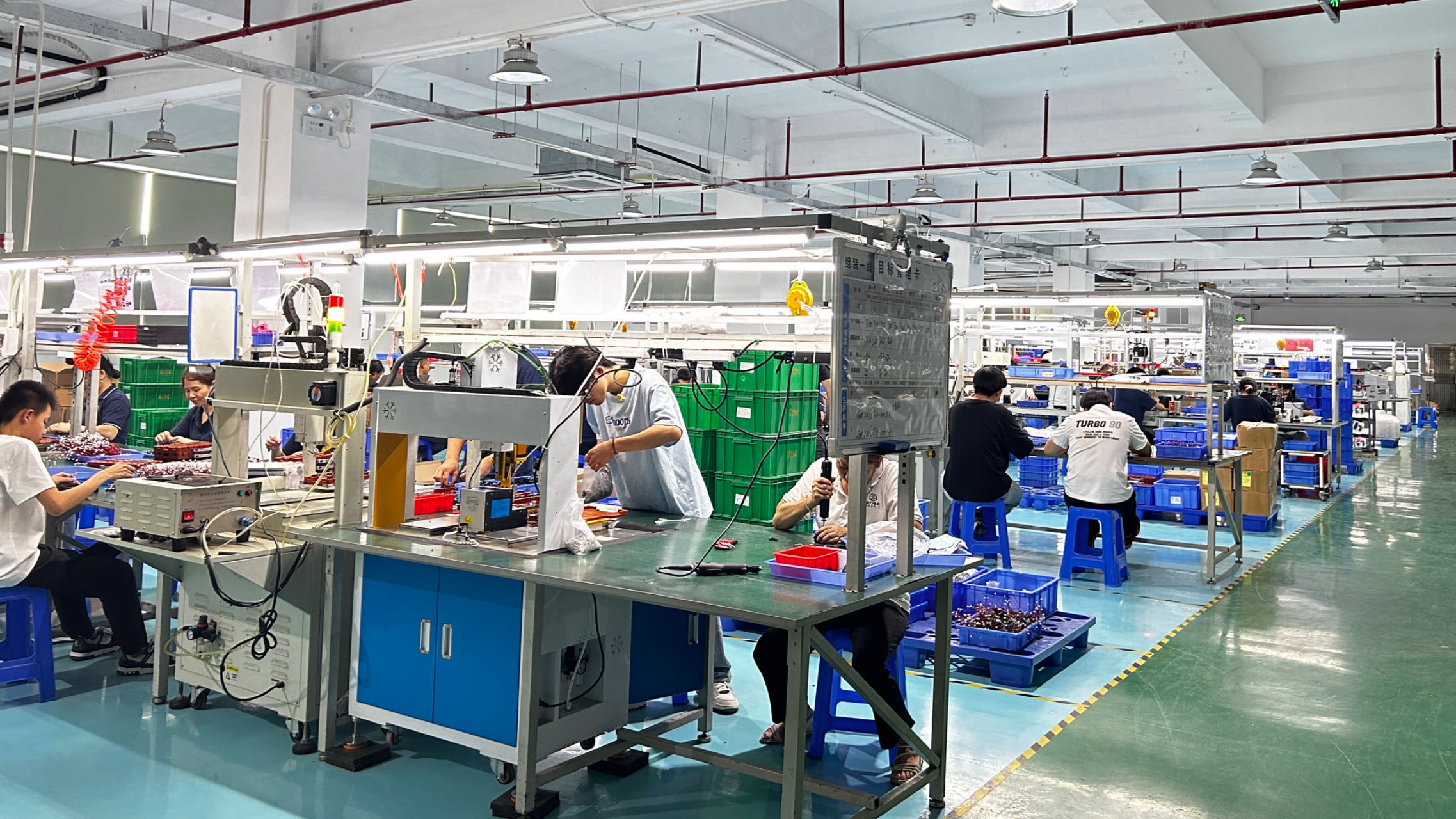
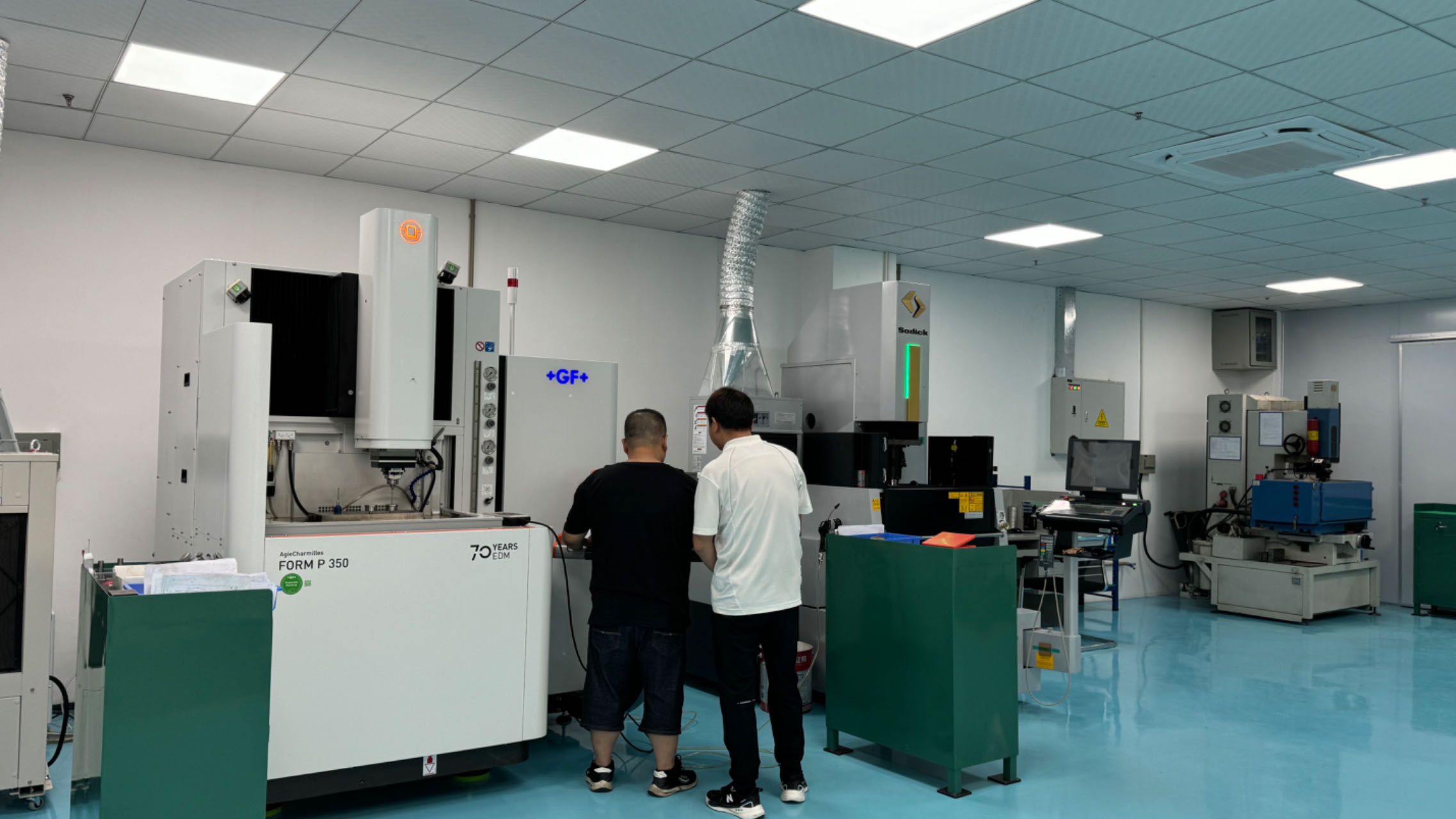
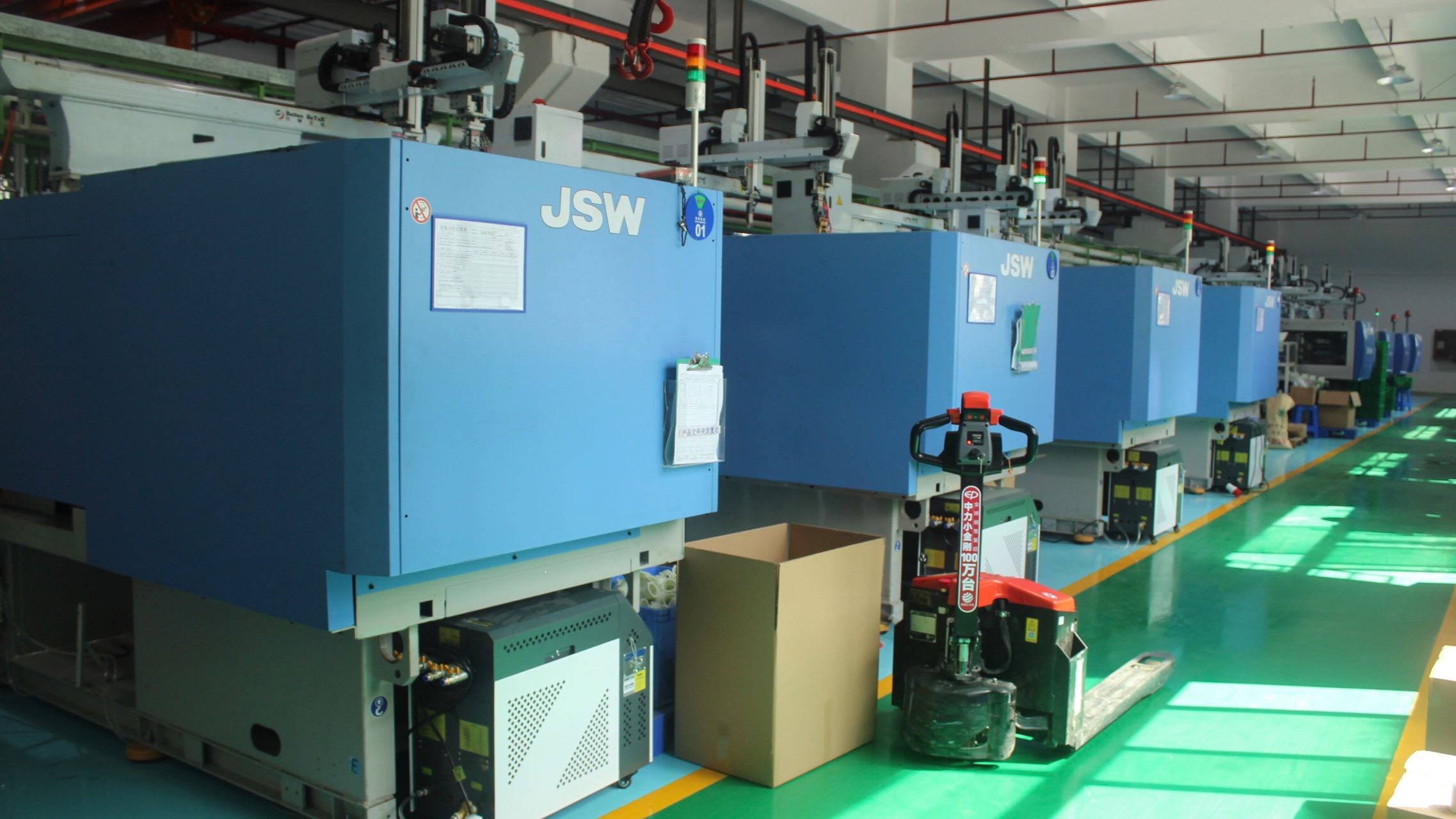
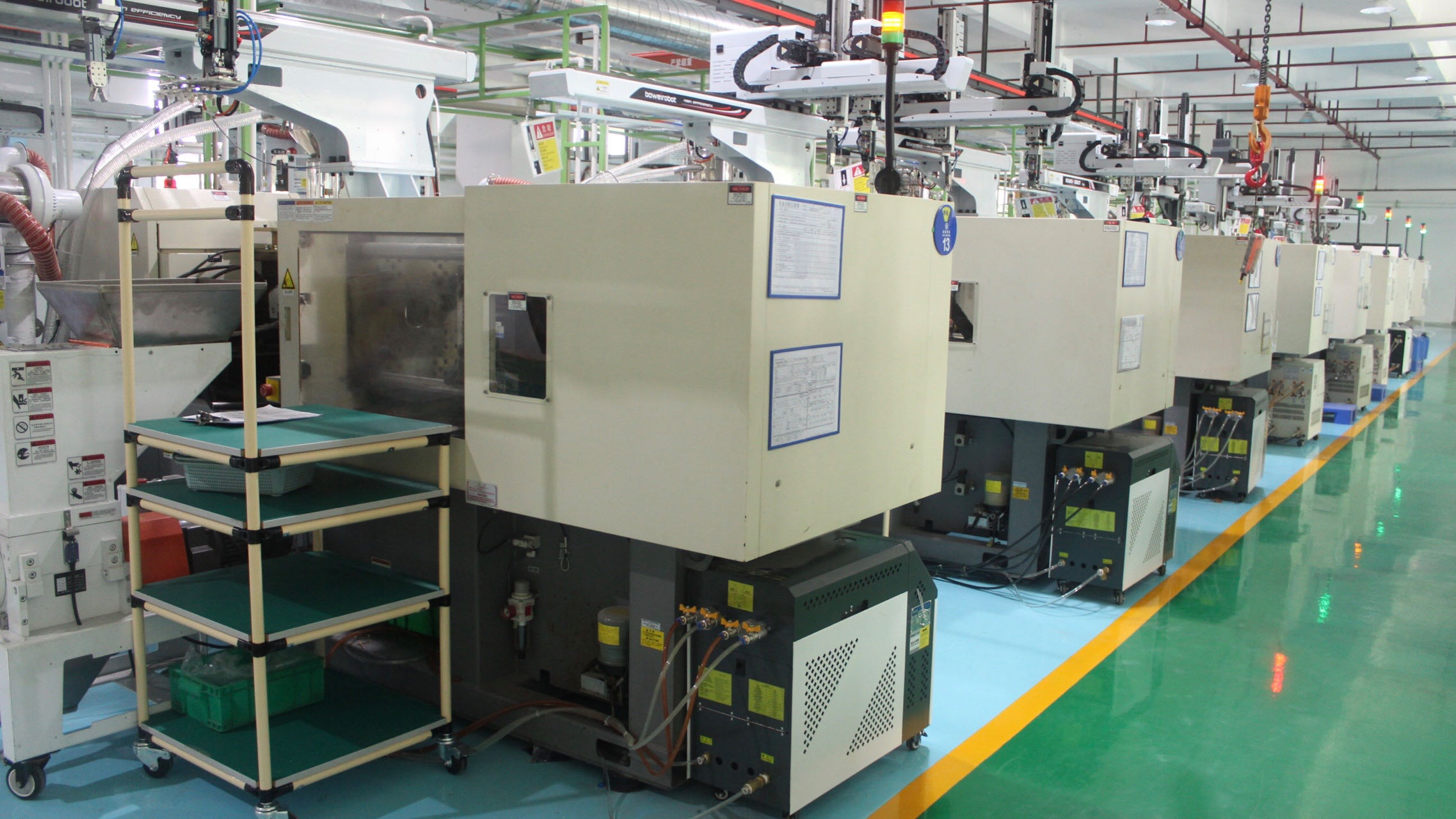
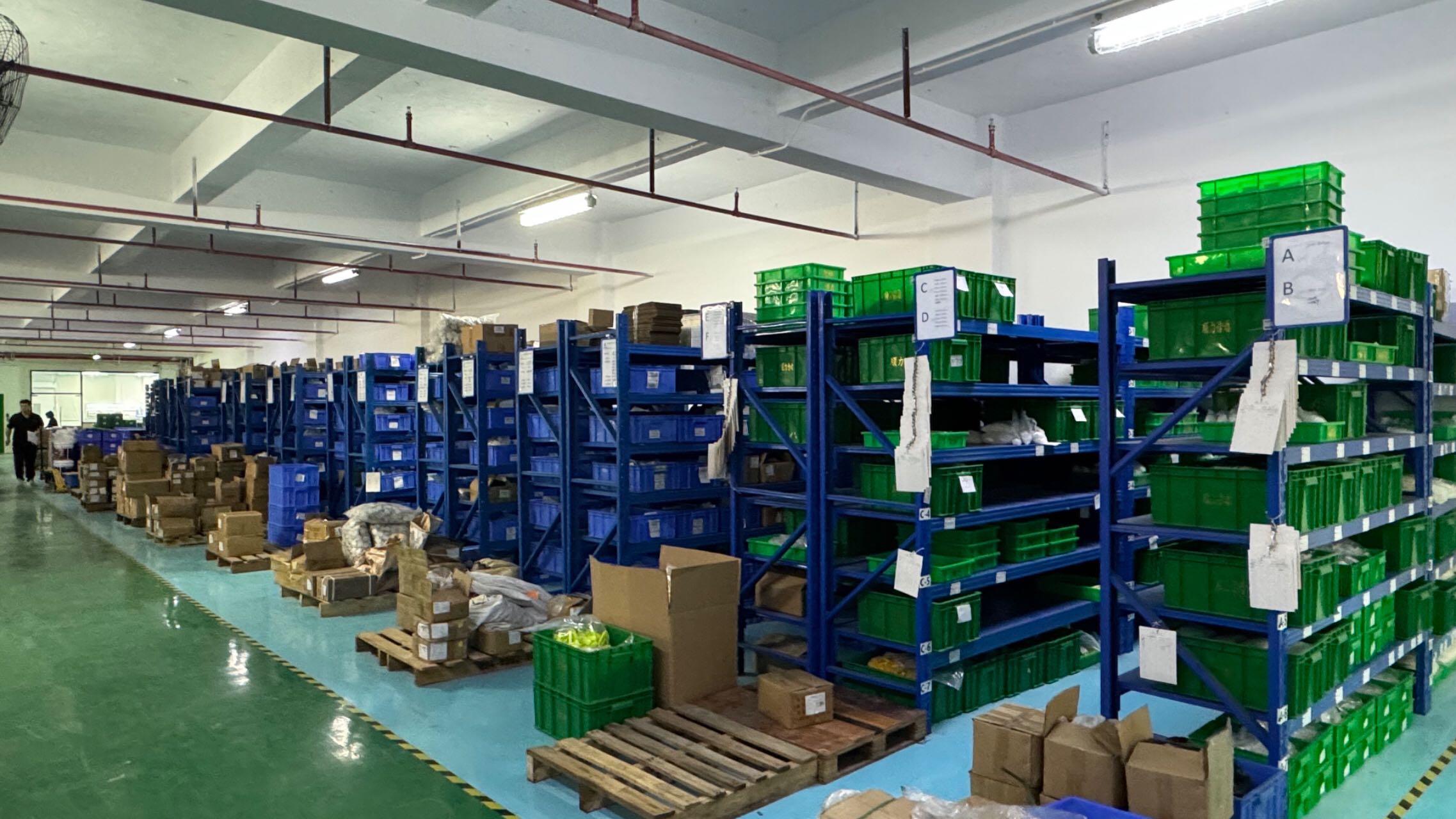
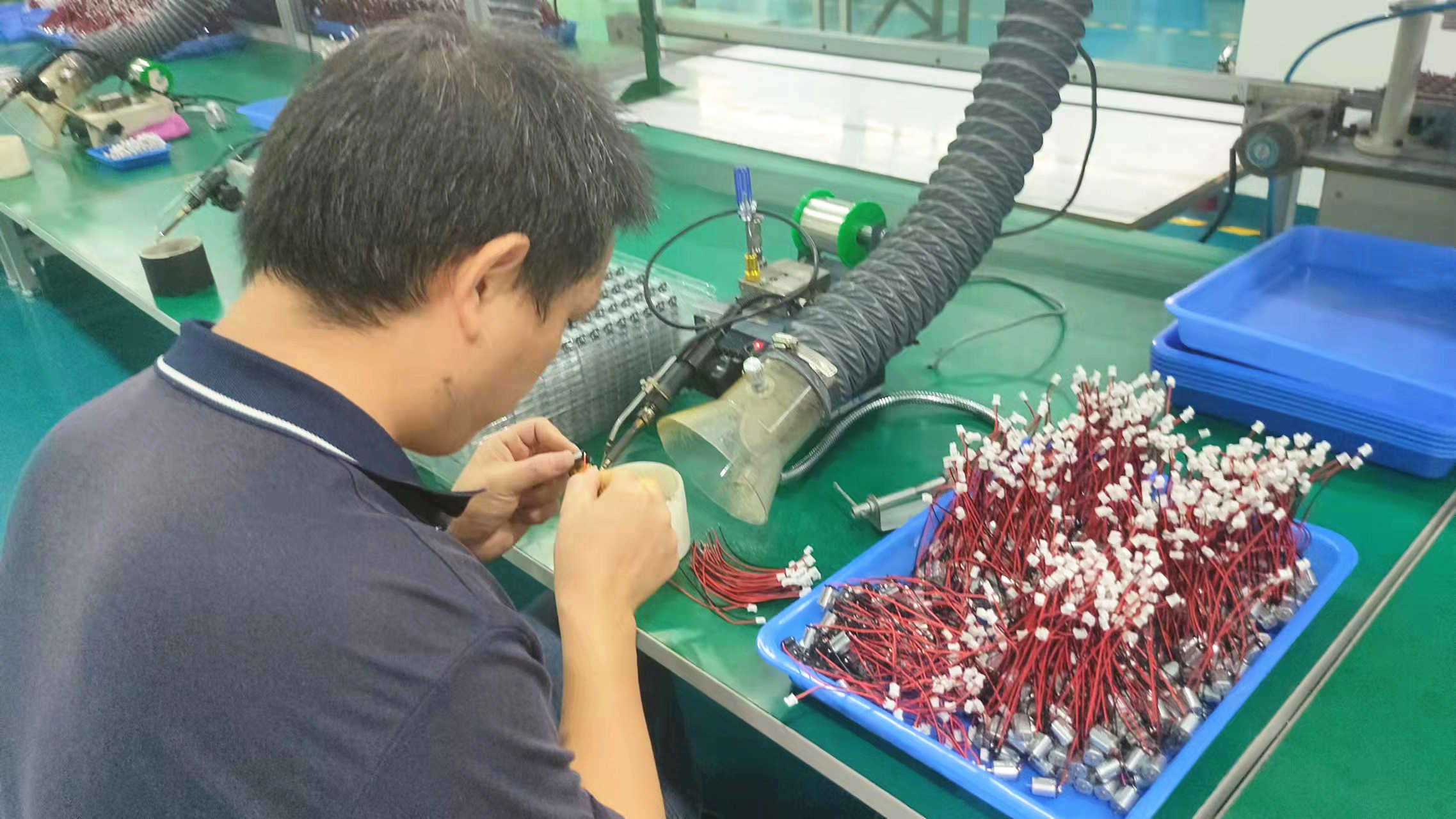
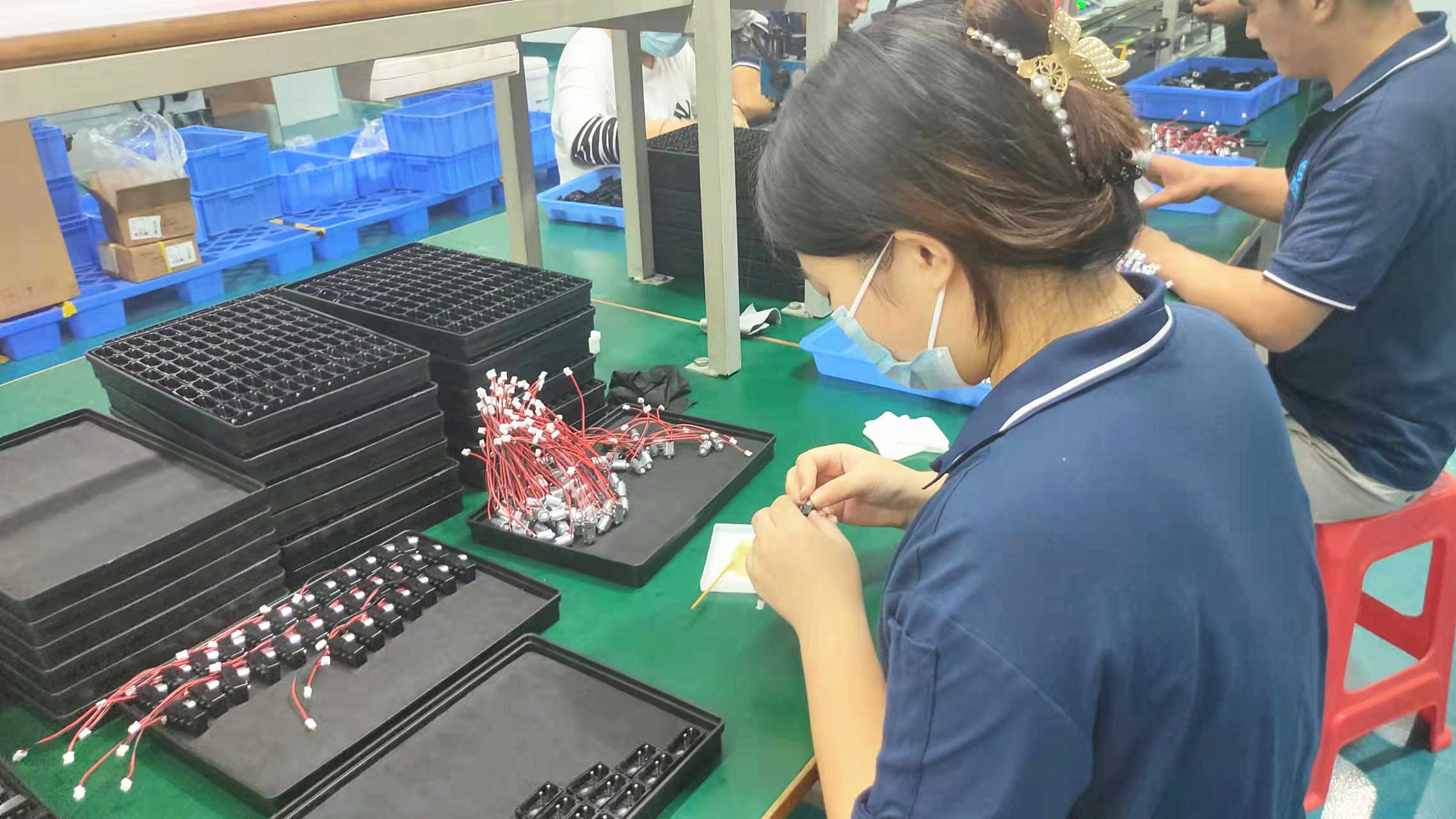
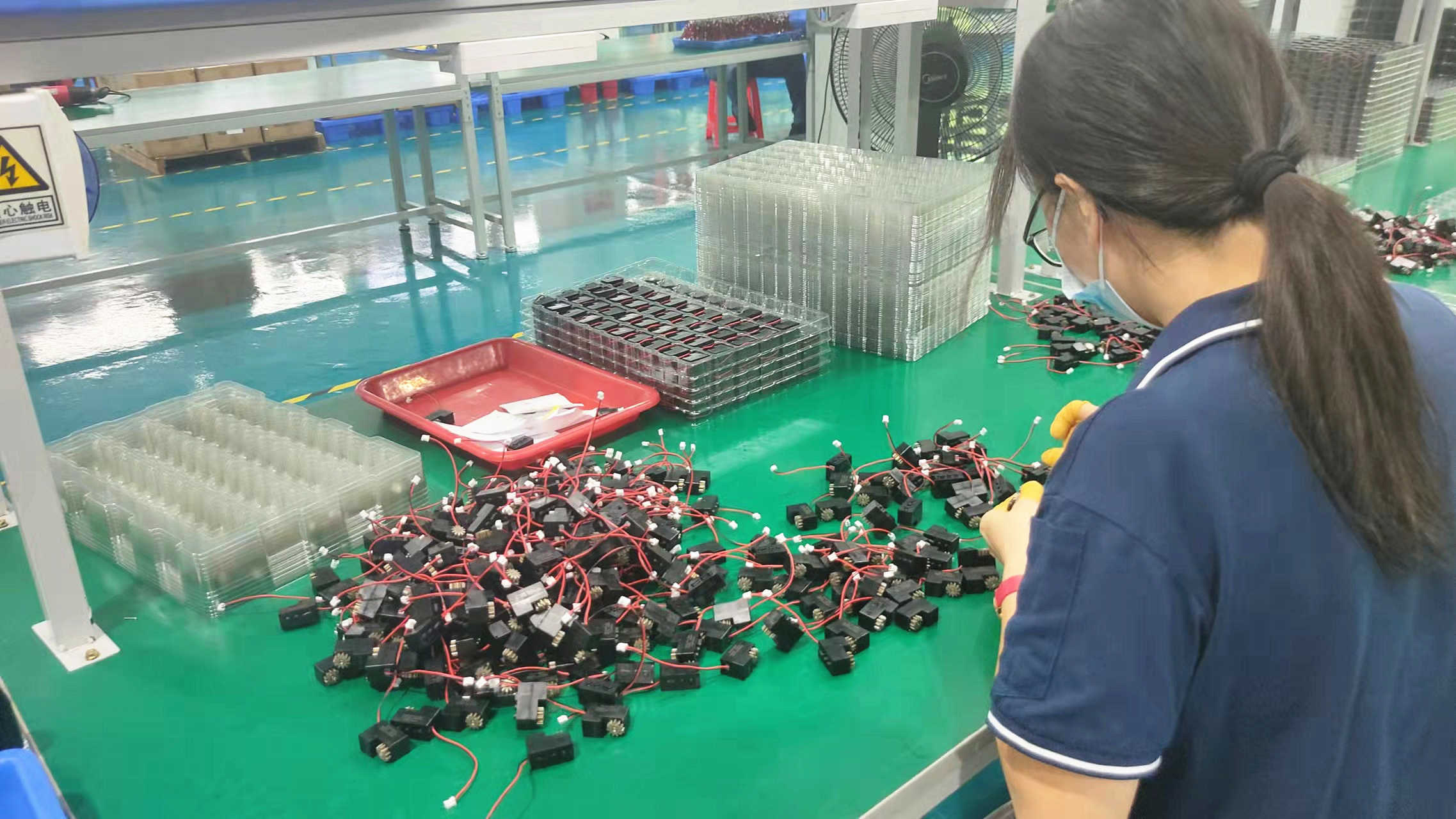
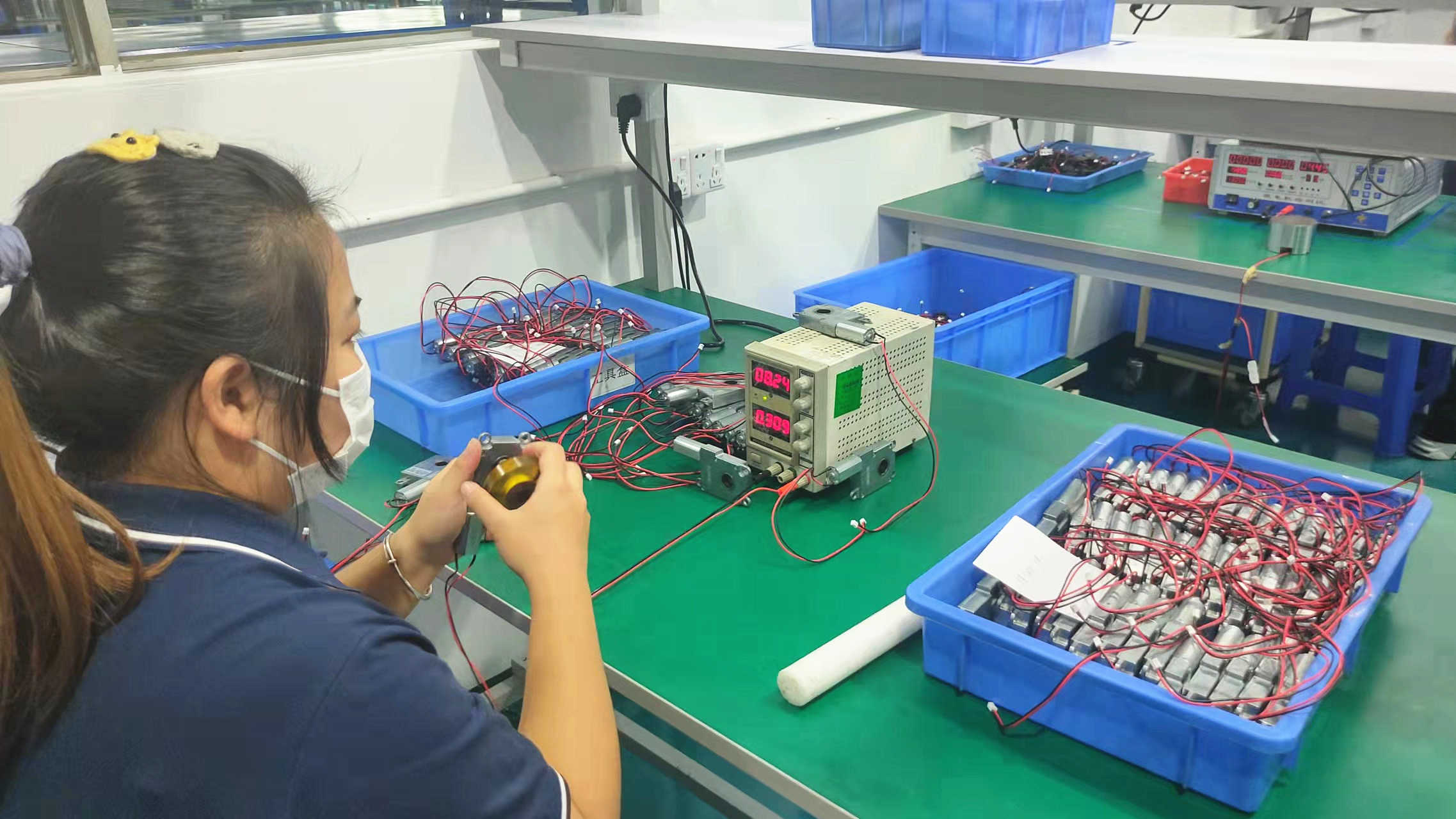
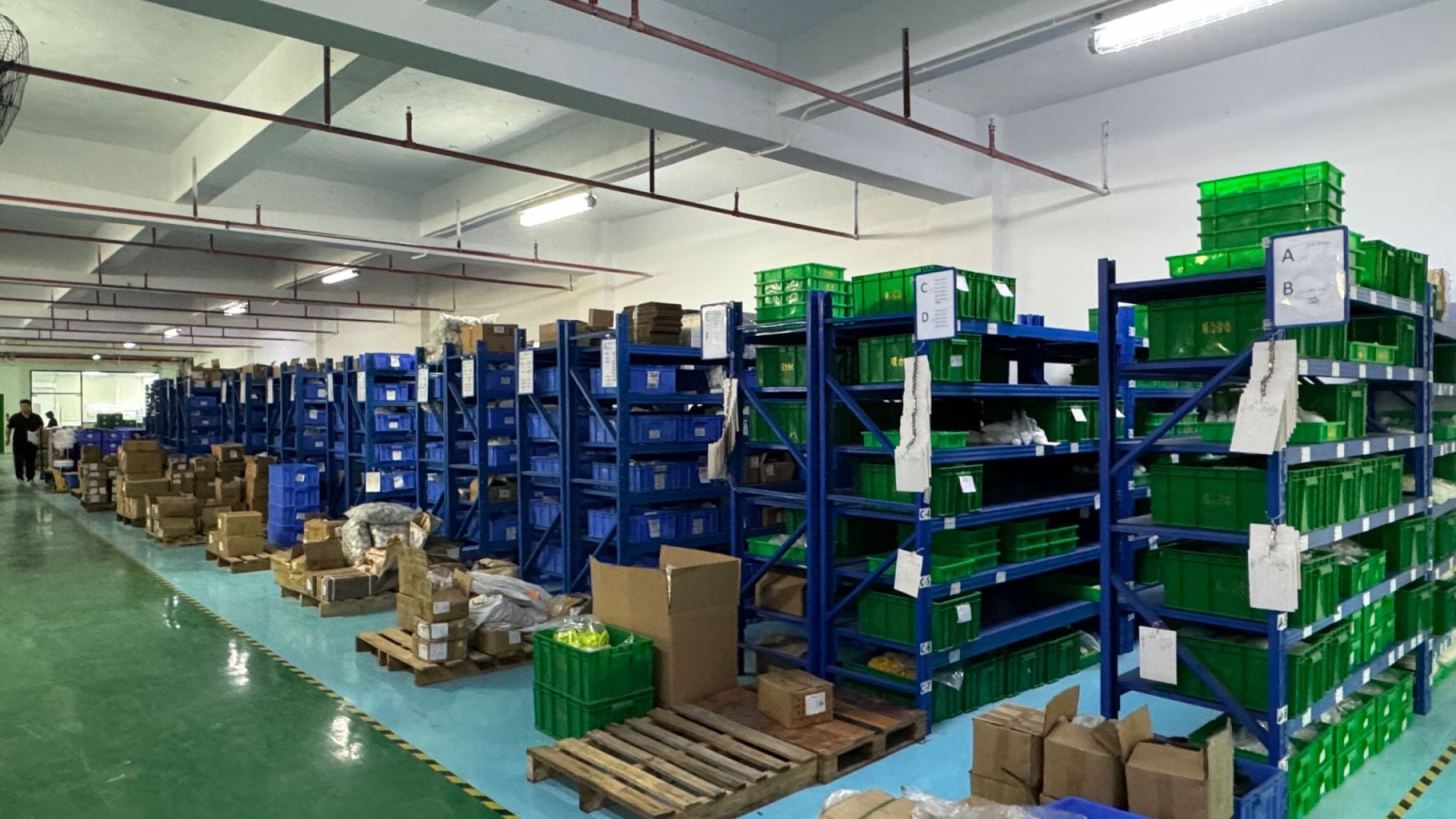
The manufacturing capabilities of China’s motor cluster are no longer built simply on labor cost efficiency; today, they are driven by production speed, vertical supply chain integration, and high-precision machining. Zonix Motor's production ecosystem utilizes a comprehensive network of specialized subcontractors, raw material suppliers (sourcing premium silicon steel and rare-earth magnetic alloys), and in-house testing labs. This integration enables rapid prototyping turnaround times (often under 10 days) and dynamic volume scaling that western suppliers struggle to match.
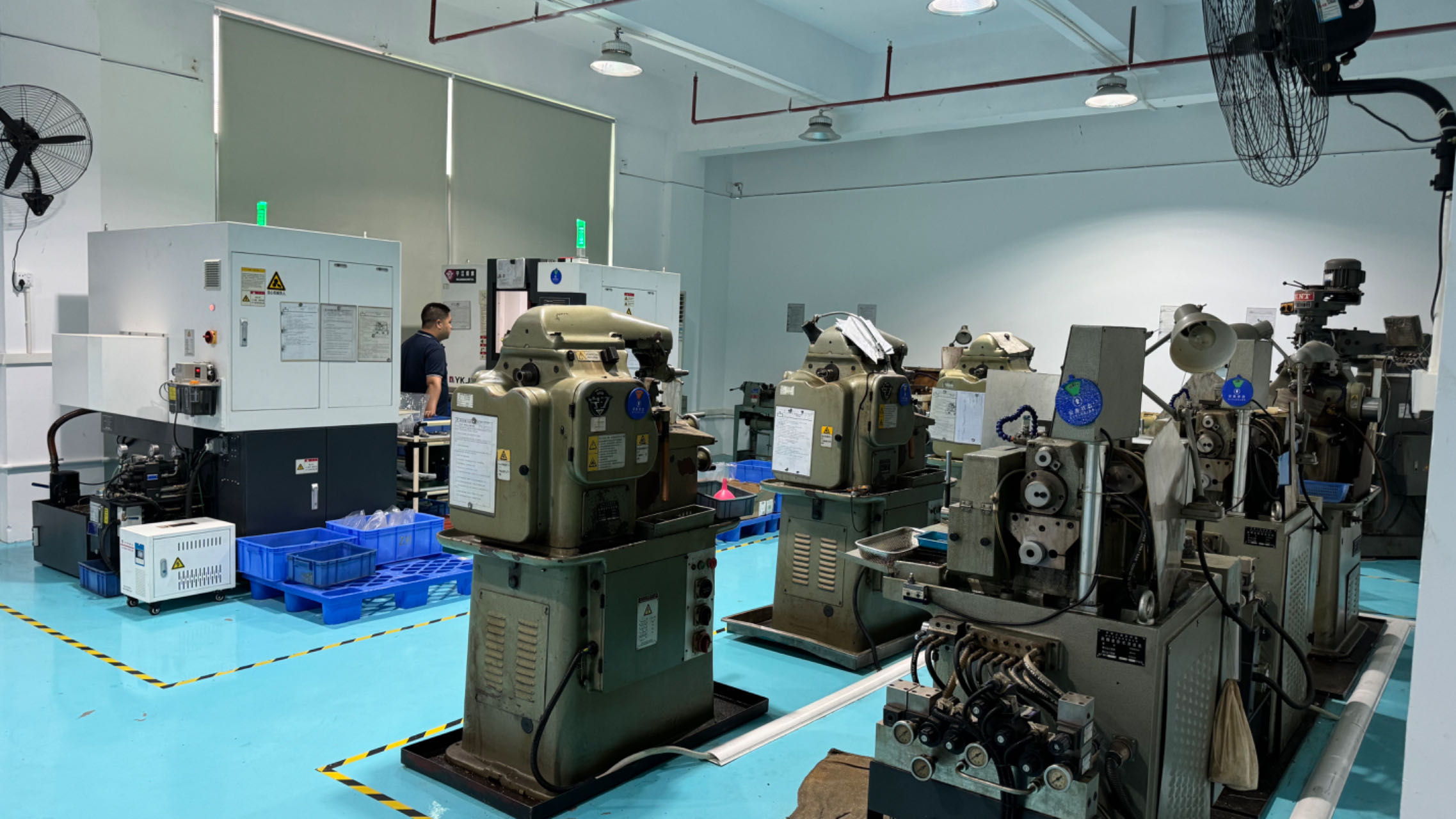
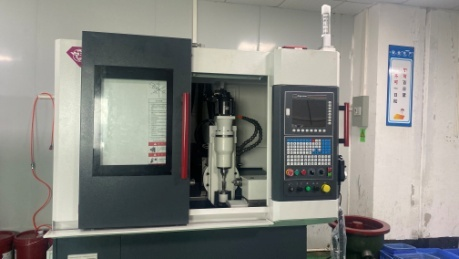
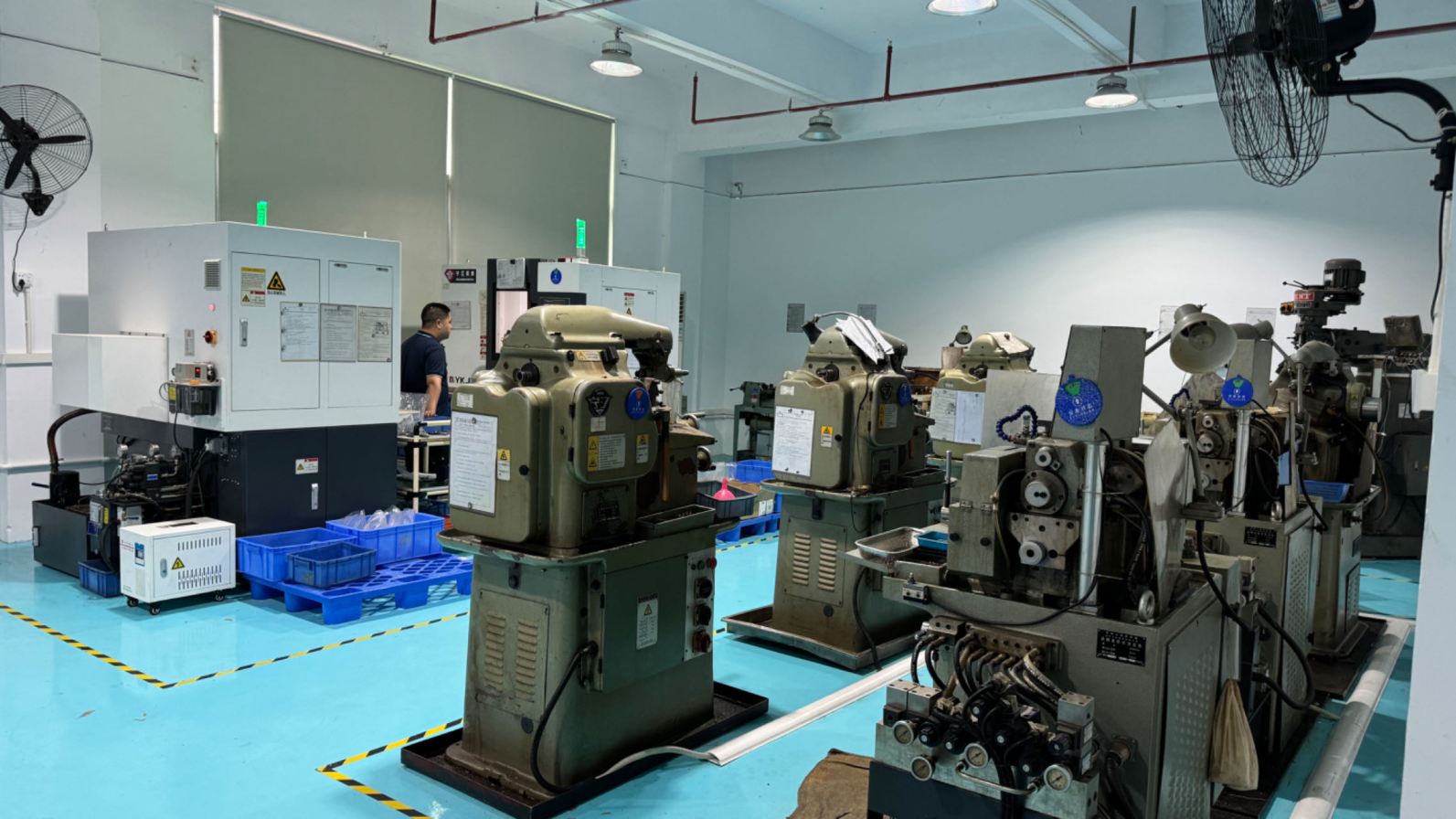
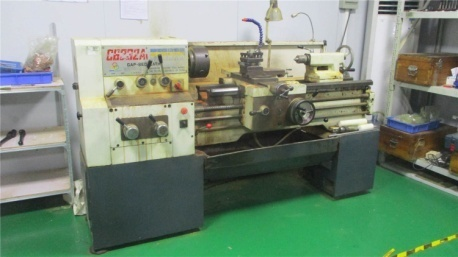
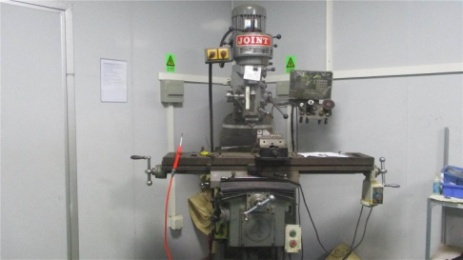
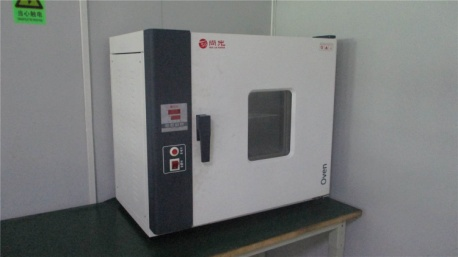
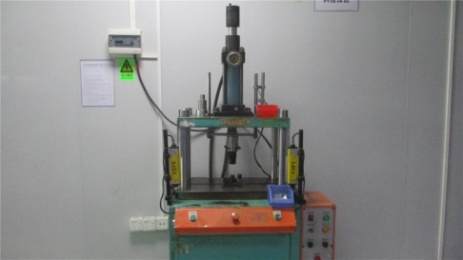
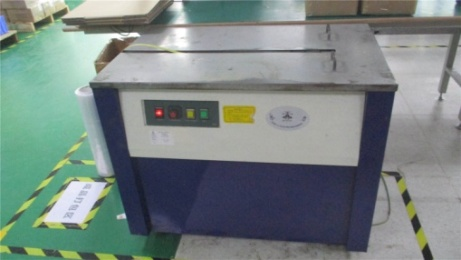
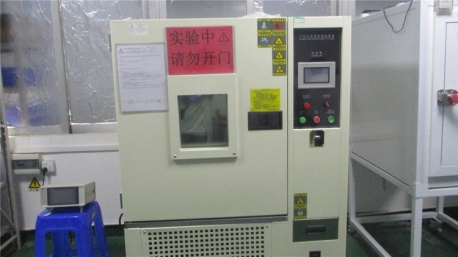
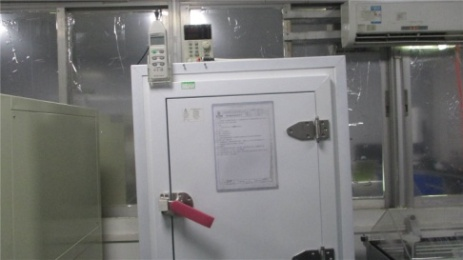
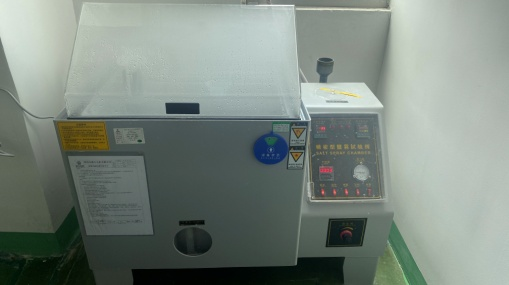
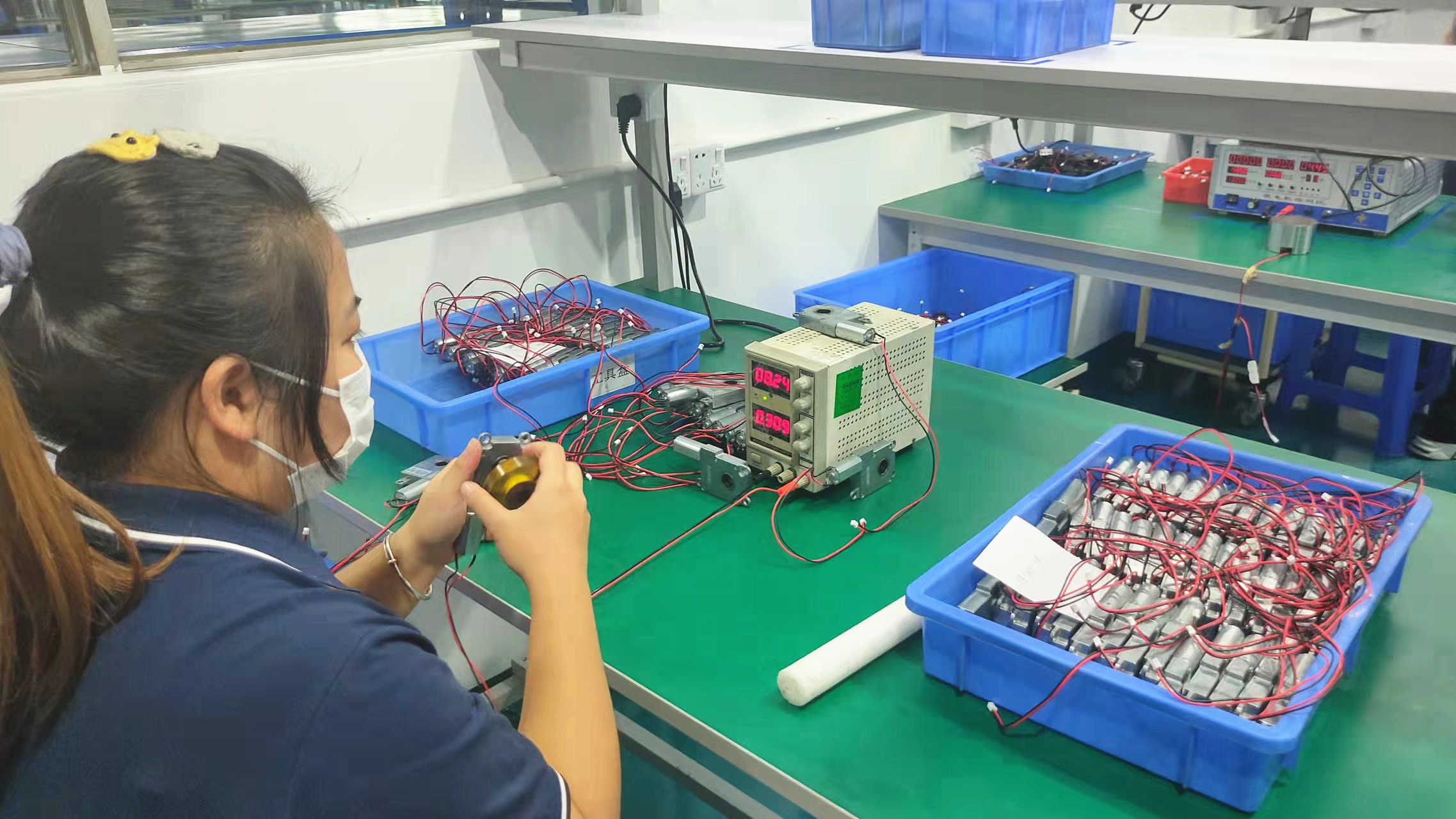
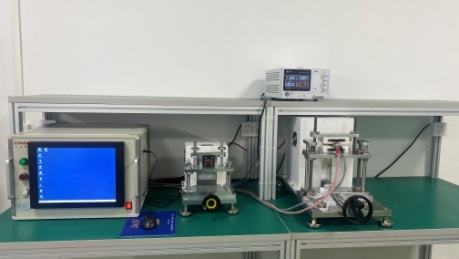
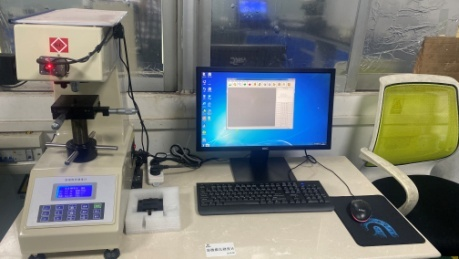
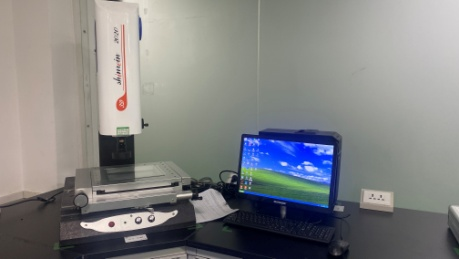
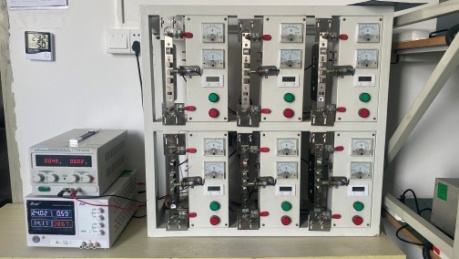
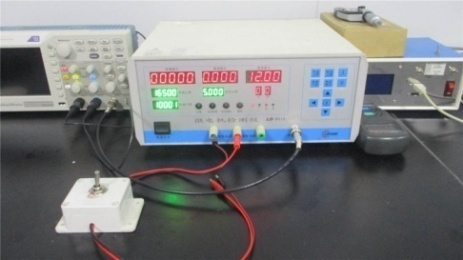
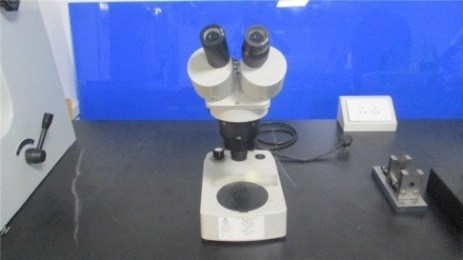
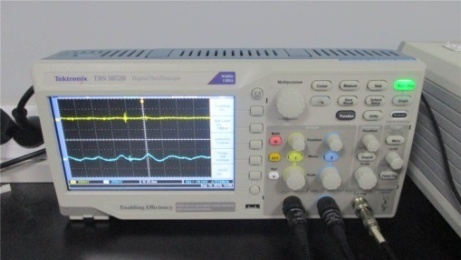
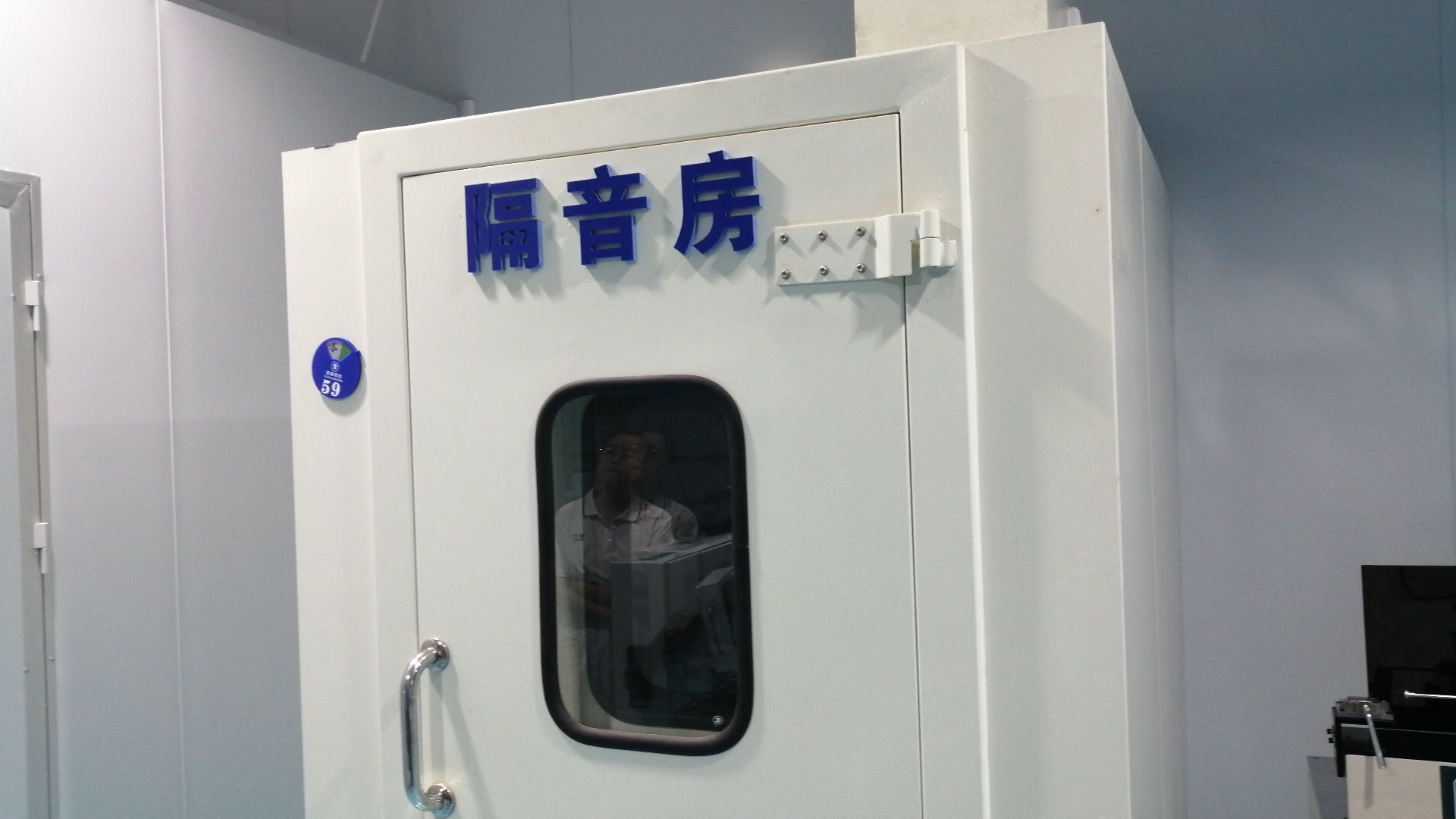
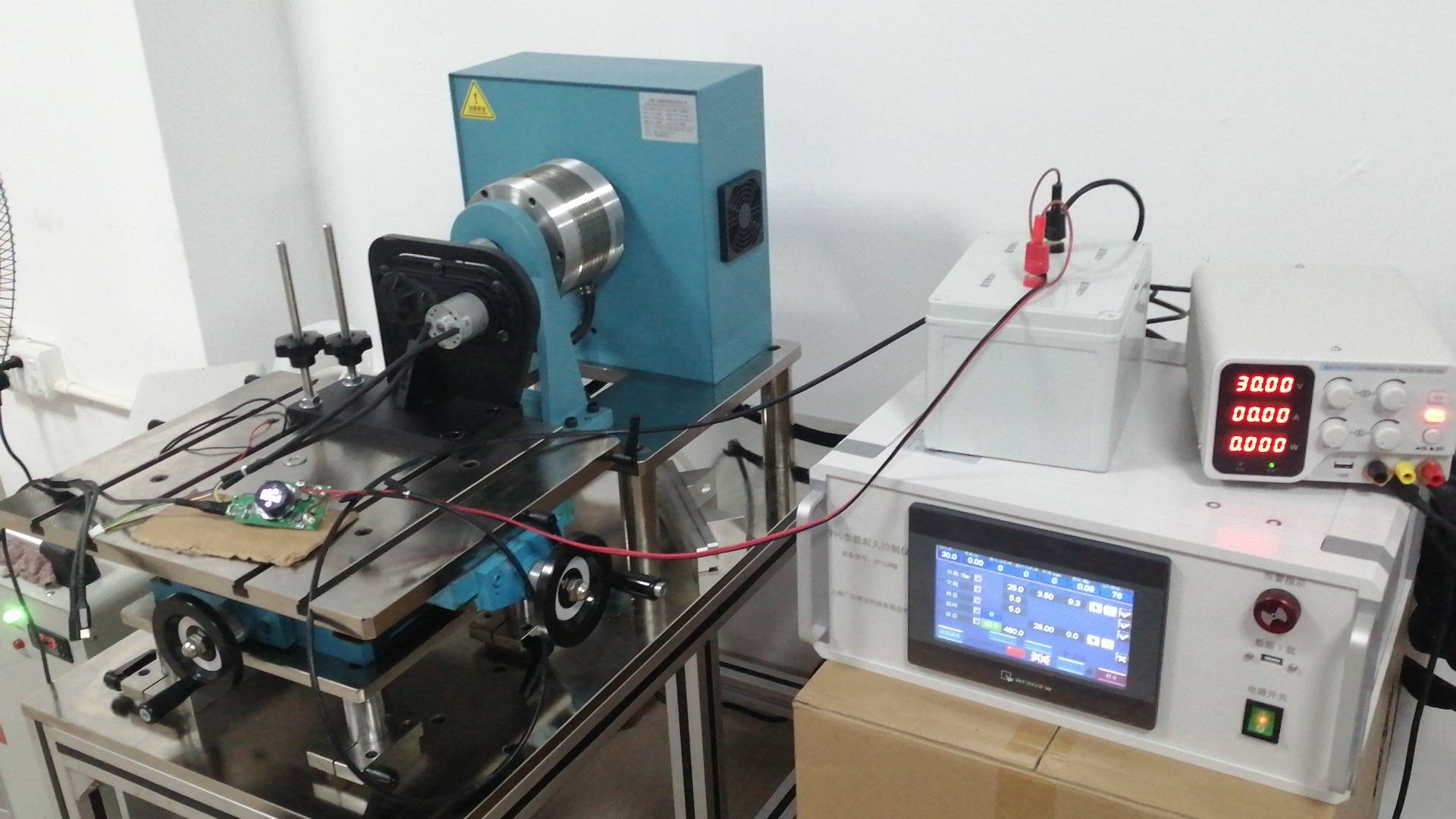
By using precision equipment like Ningjiang CNC Machine Tools, automatic lathing, milling, and gear riveting machinery, we ensure high repeatability and consistent quality control. Our rigorous Quality Assurance processes feature multi-stage verification steps, including automated winding testing, dynamically simulated noise chambers, salt-spray durability testing, and optical measurement profiling.


Fulfilling Industrial Standards Across North America, Europe, and Asia-Pacific
B2B procurement requires strict adherence to regional compliance and certification protocols. Zonix Motor operations comply fully with key industry standards, including CE, RoHS, REACH, UL, and ISO9001. This ensures our motors integrate seamlessly into systems designed for highly regulated markets like medical electronics, automotive components, and automated laboratory equipment.
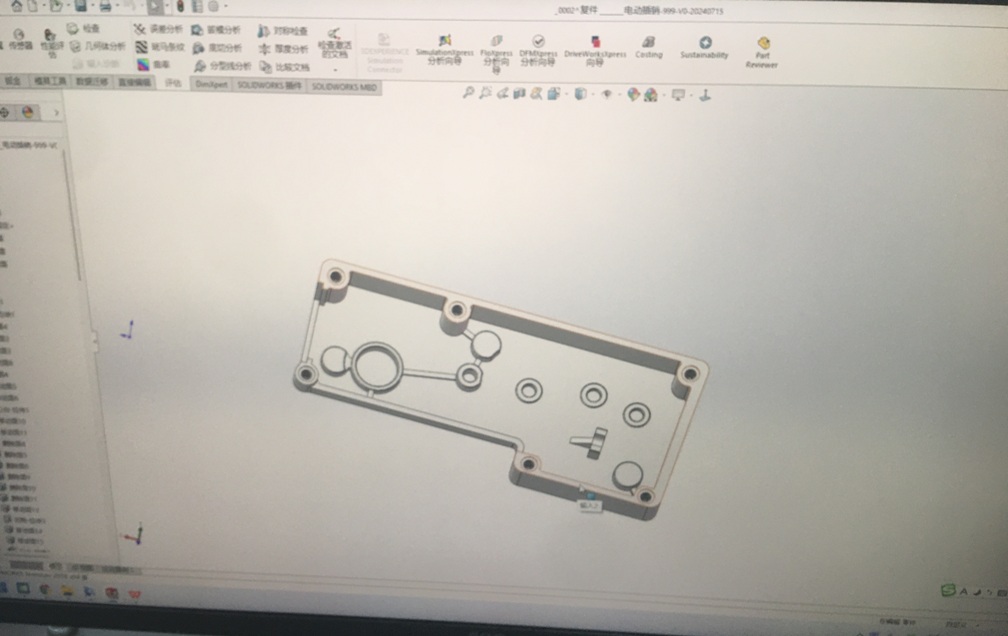
For custom OEM/ODM requests, we offer end-to-end support. This includes providing detailed STEP files, conducting finite element thermal analyses, and providing complete dynamometer performance curves. This level of technical validation simplifies compliance and documentation for your internal design and certification teams.
Common Engineering and Procurement Questions Answered by Our Technical Director
Complete your mechanical assembly with our trusted range of high-torque micro-drives.