Zonix Motor
Zonix Motor
Zonix Motor
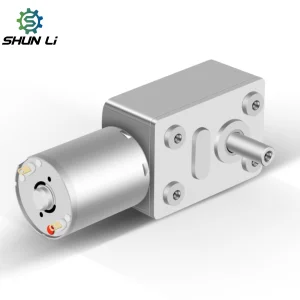
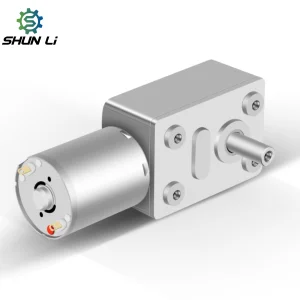
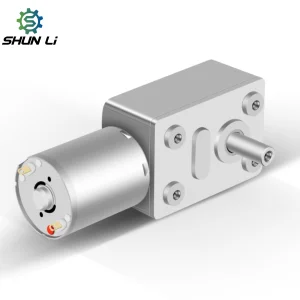
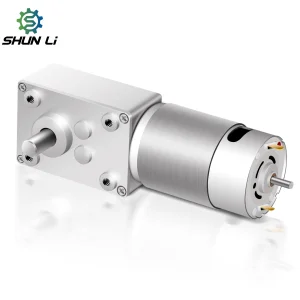
Engineered for high torque, low noise, and robust mechanical self-locking dynamics.
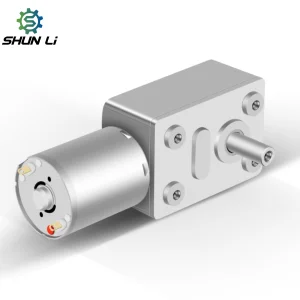
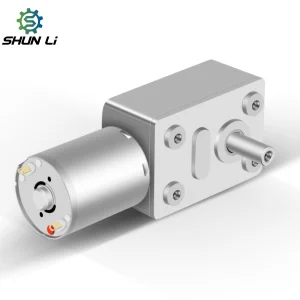
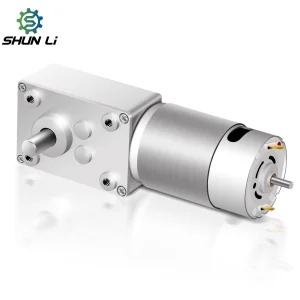
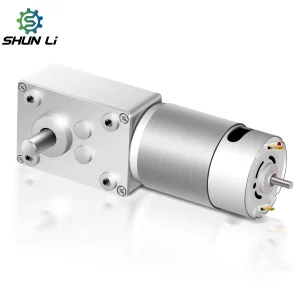
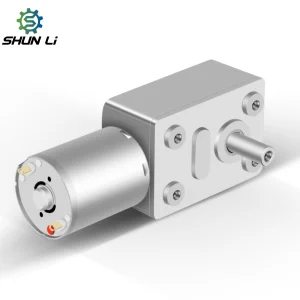
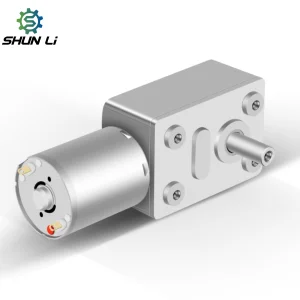
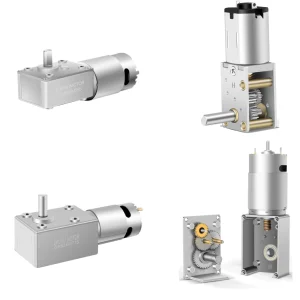
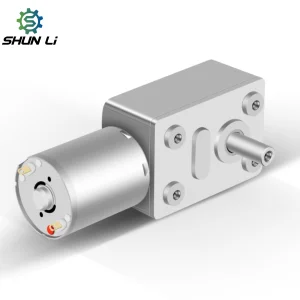
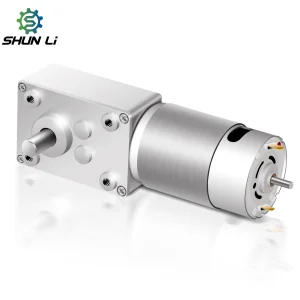
The Seattle metropolitan area, historically celebrated as a center of aerospace innovation and maritime commerce, has transformed into a premier global hub for advanced robotics, biotech, and autonomous logistics. In this demanding ecosystem, mechanical design engineers require highly reliable motion control technologies. Among these, the DC worm gear motor stands out as a critical component, offering unique benefits such as self-locking capabilities, space-saving 90-degree transmission layouts, and high startup torque.
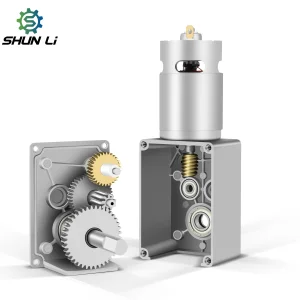
From the automated cargo handling systems utilized near the Port of Seattle and Port of Tacoma to the sophisticated aerospace actuator subassemblies designed in Everett and Renton, DC worm gear motors are essential for handling heavy loads under strict volume constraints. Unlike inline planetary gearboxes, the worm gear configuration allows for high reduction ratios in a compact envelope. This design also provides native safety mechanisms by preventing backdriving, which is crucial for applications that must hold position during power outages.
Seattle-based OEMs (Original Equipment Manufacturers) operate under strict regulatory and environmental requirements. Products must comply with UL, CE, RoHS, and REACH criteria. Consequently, sourcing motors from manufacturers that maintain ISO9001 and IATF16949 certifications is critical to maintaining supply chain integrity and minimizing liability.
On a global scale, the micro-drive industry is undergoing rapid transformation. While European and North American engineering firms excel in complex system design, the actual manufacturing of sub-fractional horsepower DC gear motors relies heavily on established supply chains in East Asia, particularly China. The combination of precision gear hobbing machines, fully automated stator winding setups, and comprehensive testing facilities allows Chinese manufacturers to offer high quality at scale.
For international buyers, the challenge is finding the right balance between cost-effective high-volume production and the strict quality controls required by Western industries. This is where Zonix Motor excels, bridging the gap between efficient Chinese supply chains and the engineering precision demanded by clients in North America, Europe, and beyond.
Mastering the physics of rotation to power the technologies of tomorrow.
At Zonix Motor, we specialize in high-performance Micro DC Motors, DC Gear Motors, and Brushless DC Motors (BLDC). We have spent over two decades engineering miniature motion solutions where high torque, silent acoustics, and enduring lifespans intersect. Operating from our state-of-the-art manufacturing facility, Zonix Motor bridges the gap between China’s world-class supply chain efficiency and international engineering standards. Our compact micro-drives are trusted globally by product designers and R&D engineers in smart home automation, medical equipment, automotive electronics, and precision robotics—performing reliably under strict space and load constraints.
We recognize that standard off-the-shelf hardware does not fit every application. Zonix Motor excels in flexible OEM/ODM custom engineering. Backed by an in-house technical team holding multiple motor-tech patents, we offer rapid prototyping and seamless technical support. From specialized gear ratios and custom shaft configurations to precise voltage tuning, we design the silent, robust drivetrains that power your product's success.

Understanding lead angles, sliding friction, and the mechanics of static self-locking.
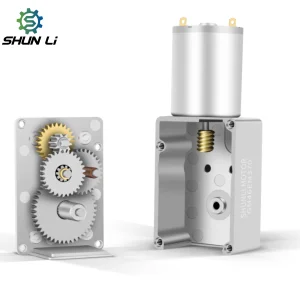
In rotational mechanics, the lead angle of the worm shaft ($\gamma$) and the coefficient of friction ($\mu$) between the worm and worm wheel determine if a system is self-locking. When the tangent of the lead angle is less than the static coefficient of friction ($\tan\gamma < \mu_s$), the gearset cannot be driven backwards. This feature is particularly useful for medical diagnostics, security gates, and aerospace positioning mechanisms where backdriving can cause system damage or present safety risks.
Additionally, because contact between the worm thread and the wheel teeth involves sliding friction rather than rolling friction, worm gear systems naturally run quieter than spur gears. To minimize wear and maximize heat dissipation, we construct the worm shaft from hardened steel (e.g., 40Cr with carburizing heat treatment) and the worm wheel from high-grade phosphor bronze alloys (such as QSn6.5-0.1). This combination significantly reduces friction, prevents galling under heavy start loads, and ensures long-term reliability.
| Feature Parameter | Worm Gear System | Planetary Gear System | Spur/Helical Gear System |
|---|---|---|---|
| Transmission Angle | 90-Degree Right-Angle | Coaxial / Inline | Parallel / Inline |
| Self-Locking Capacity | Yes (High reduction ratios) | No | No |
| Acoustic Profile | Extremely Quiet (≤35dB) | Moderate to Loud | Moderate |
| Backlash Control | Adjustable (via center distance) | Complex (Multi-stage planetary) | Fixed |
| Cost vs. Torque Ratio | Highly Economical | Premium Cost | Low Cost / Moderate Torque |
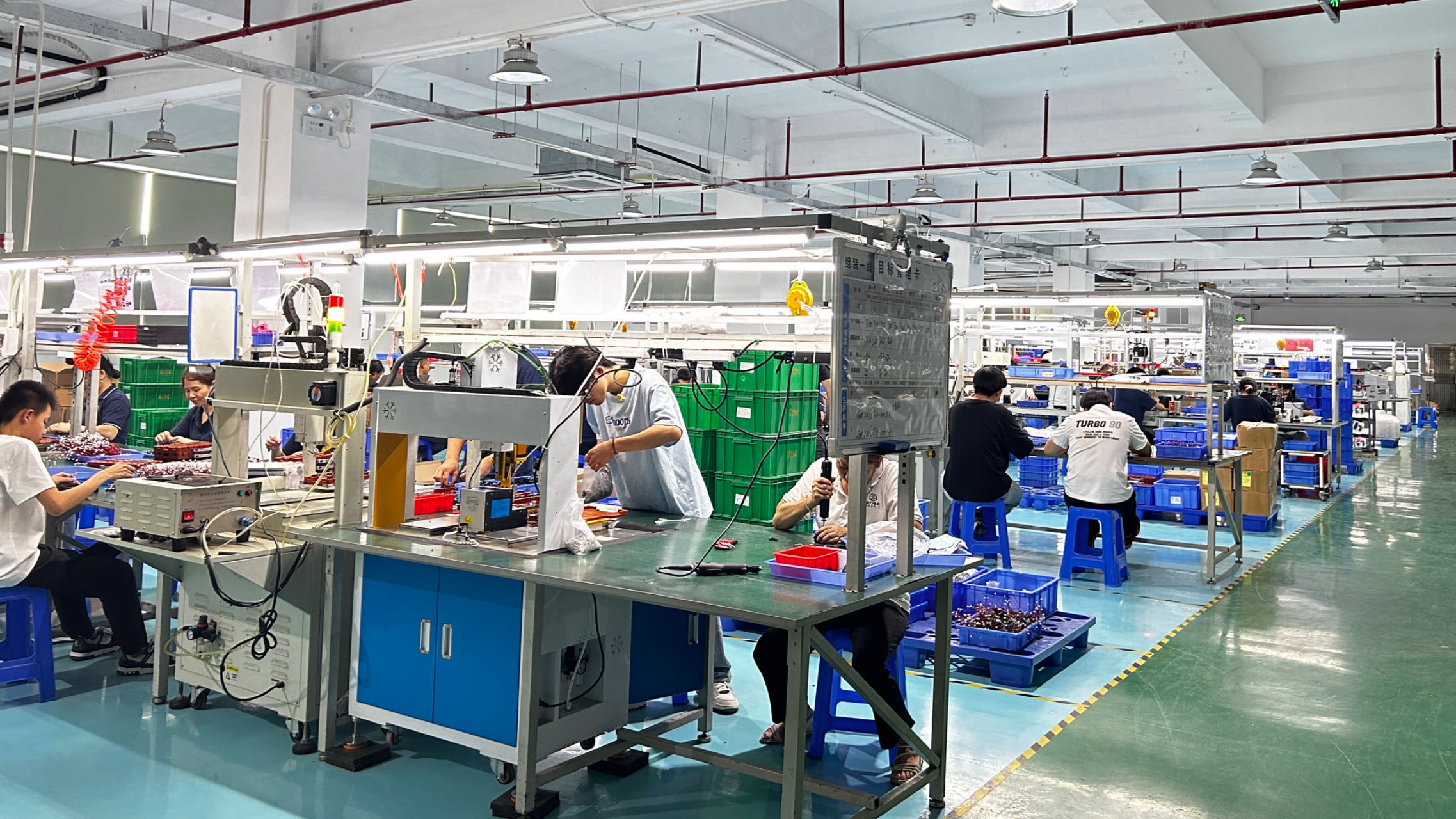
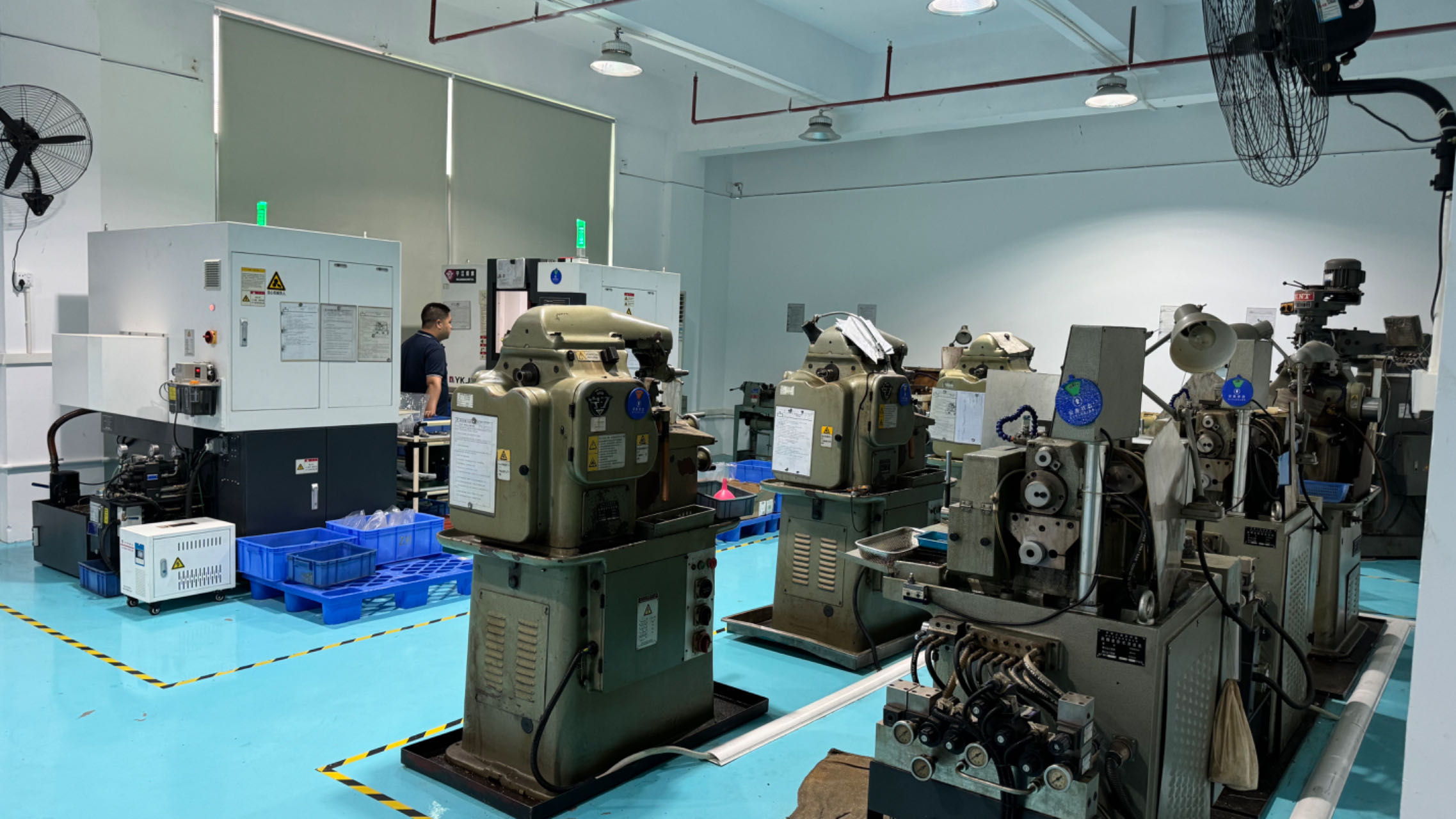
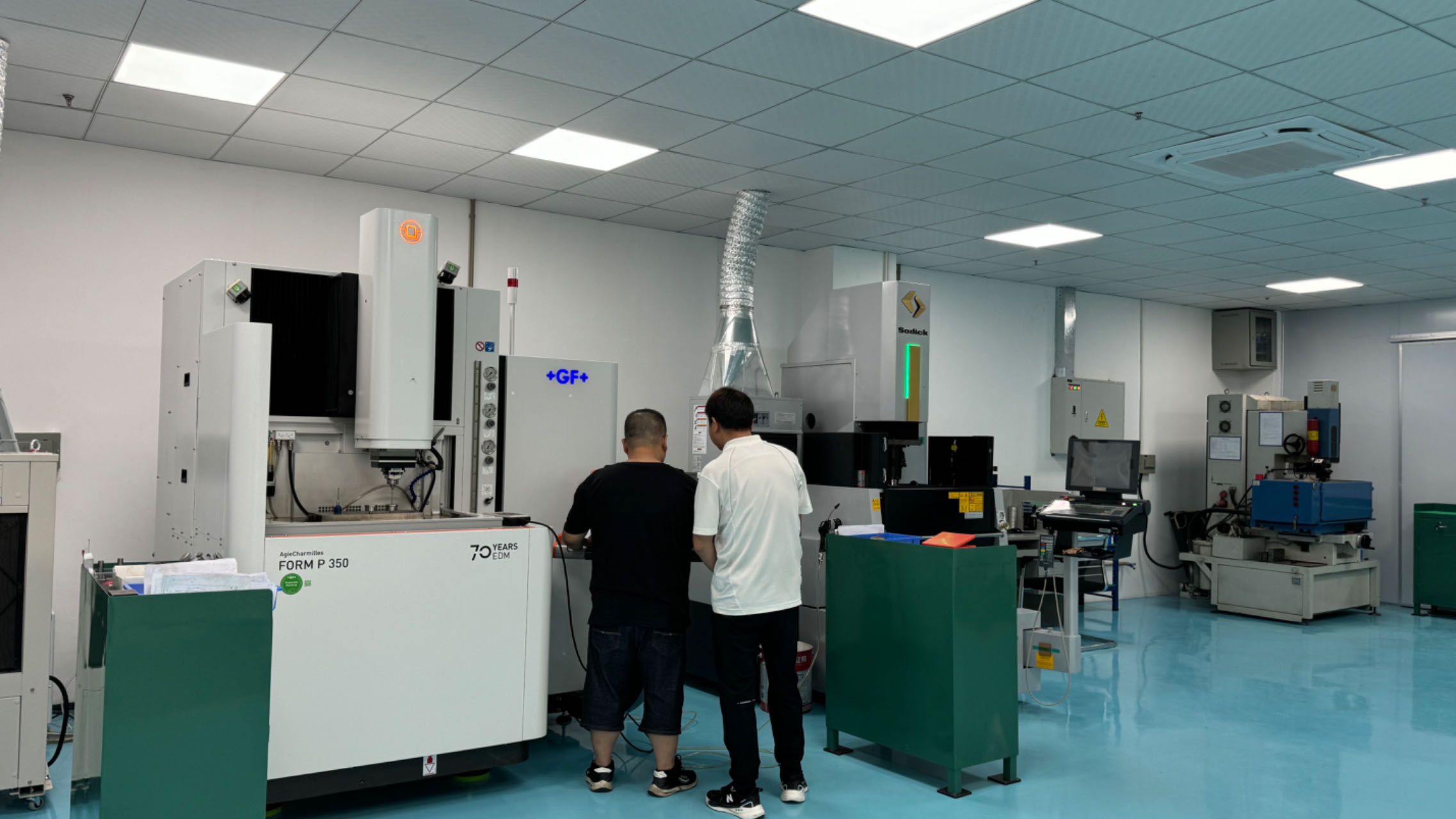
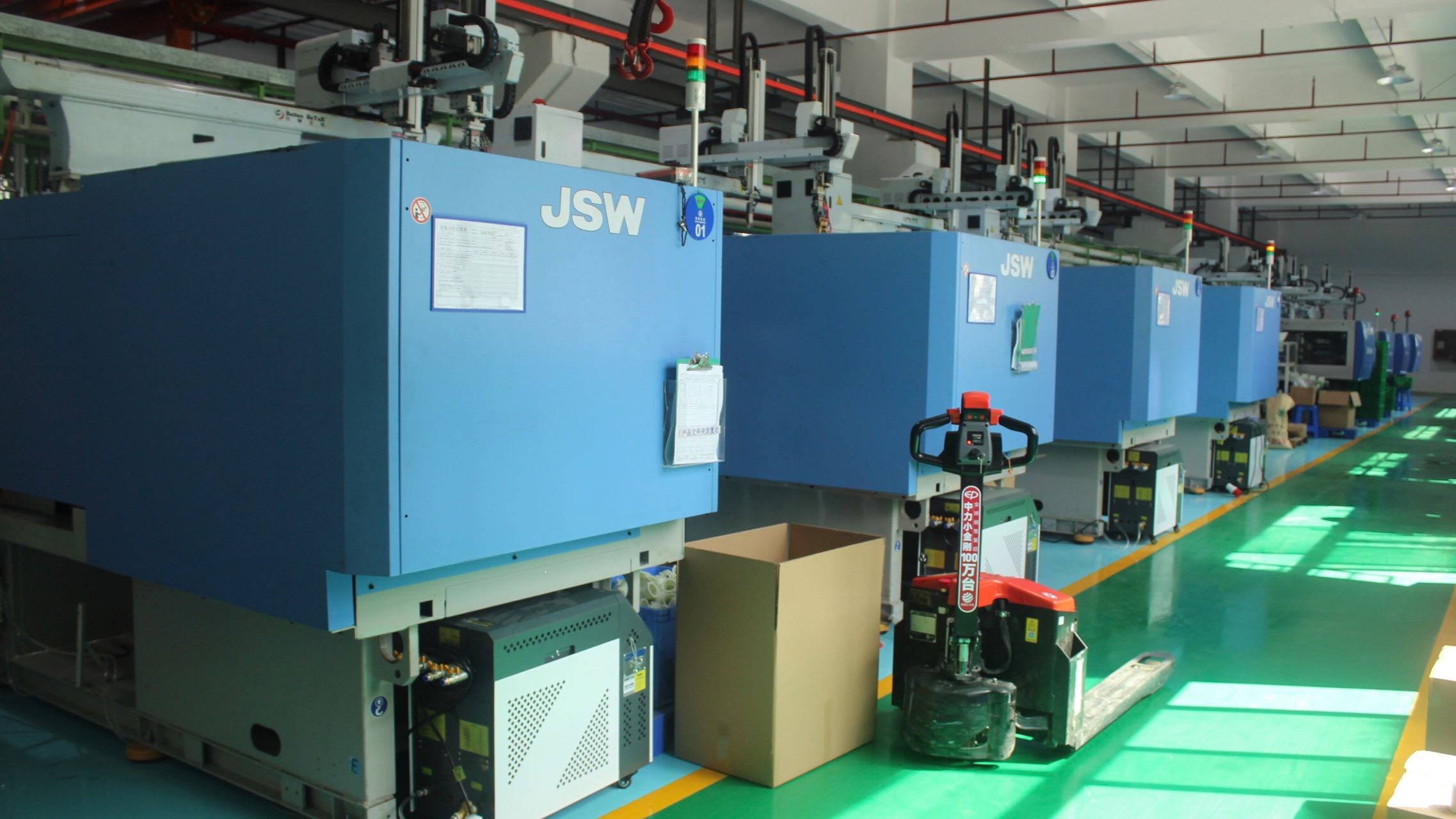
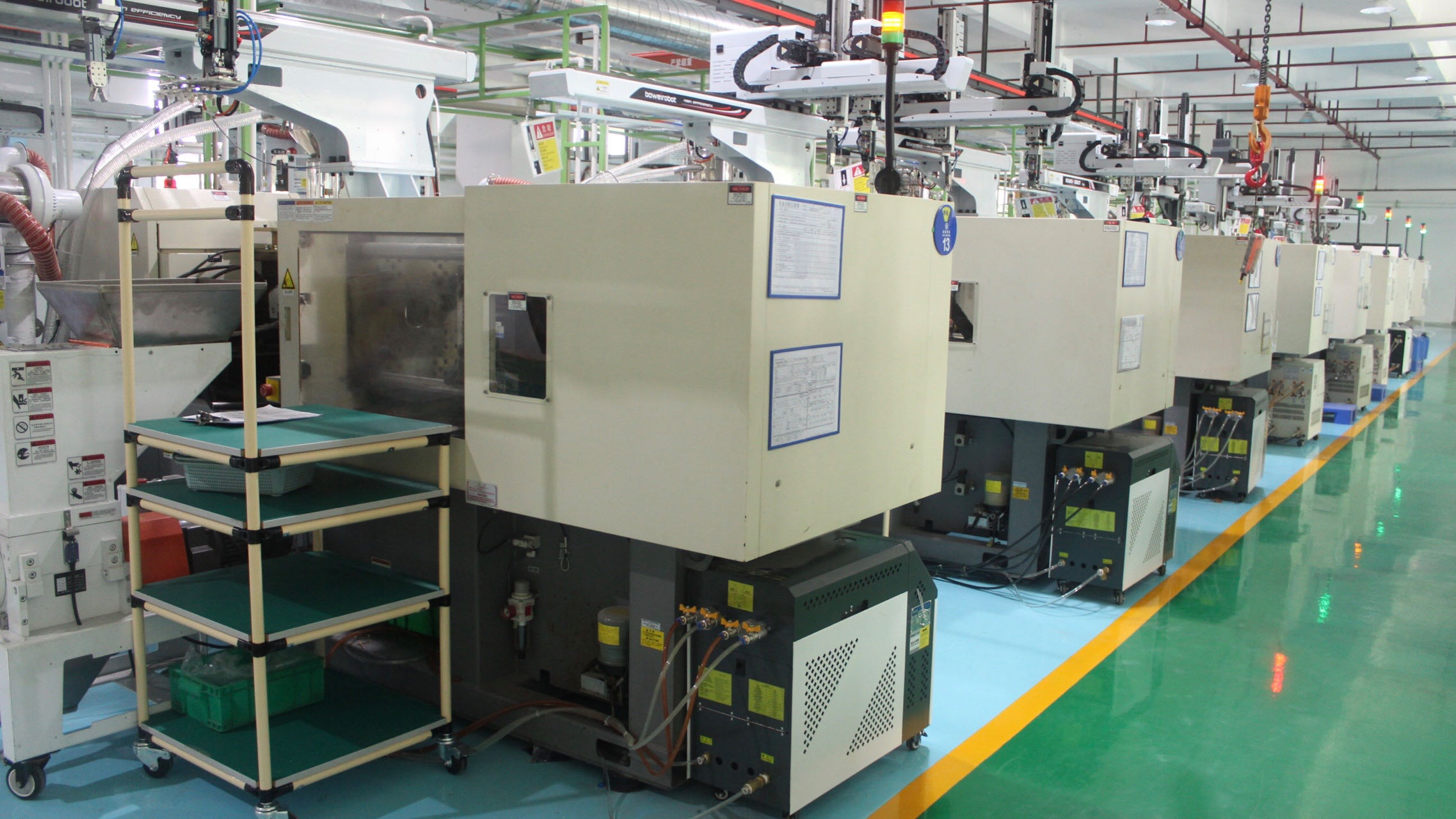
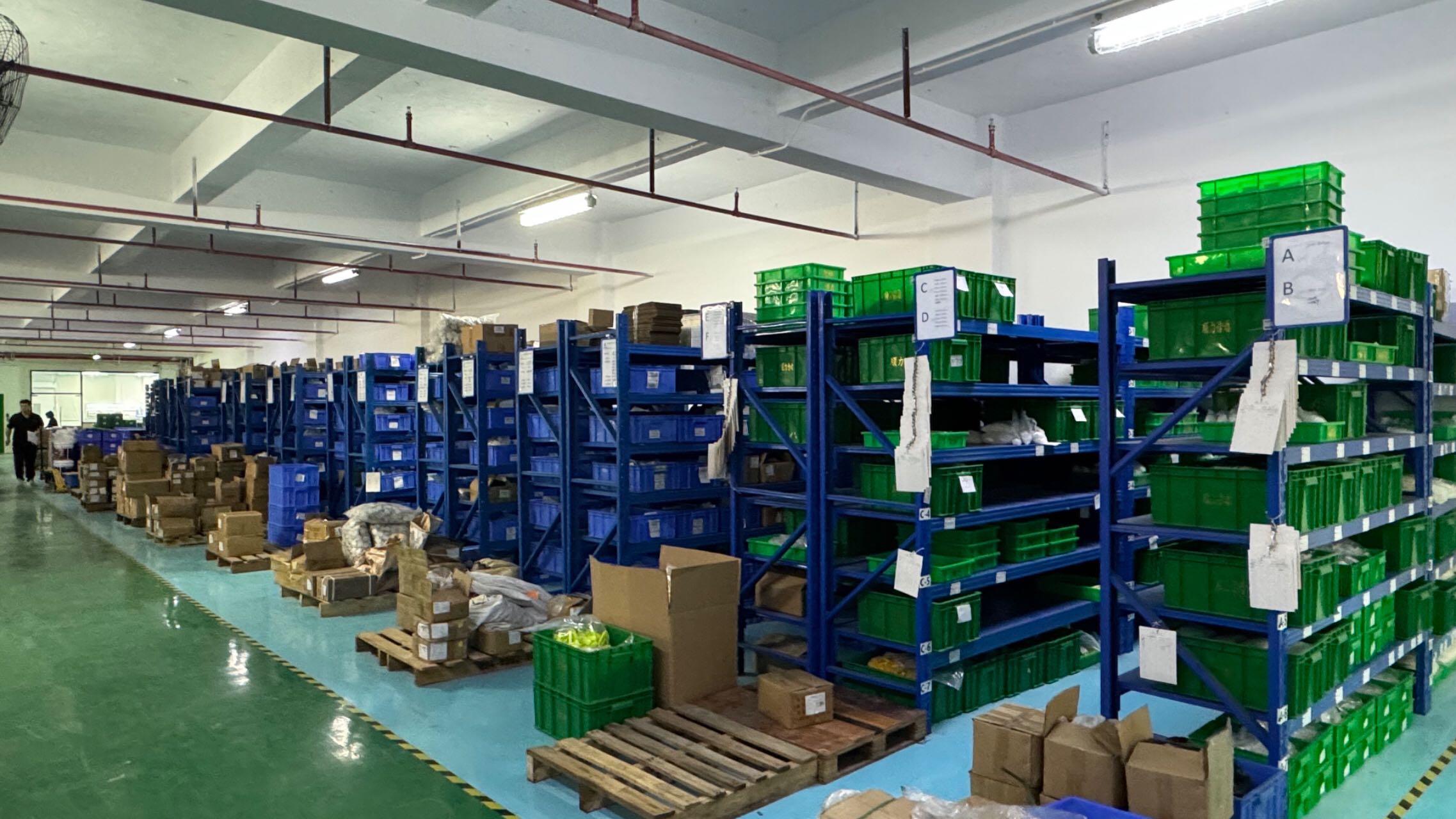
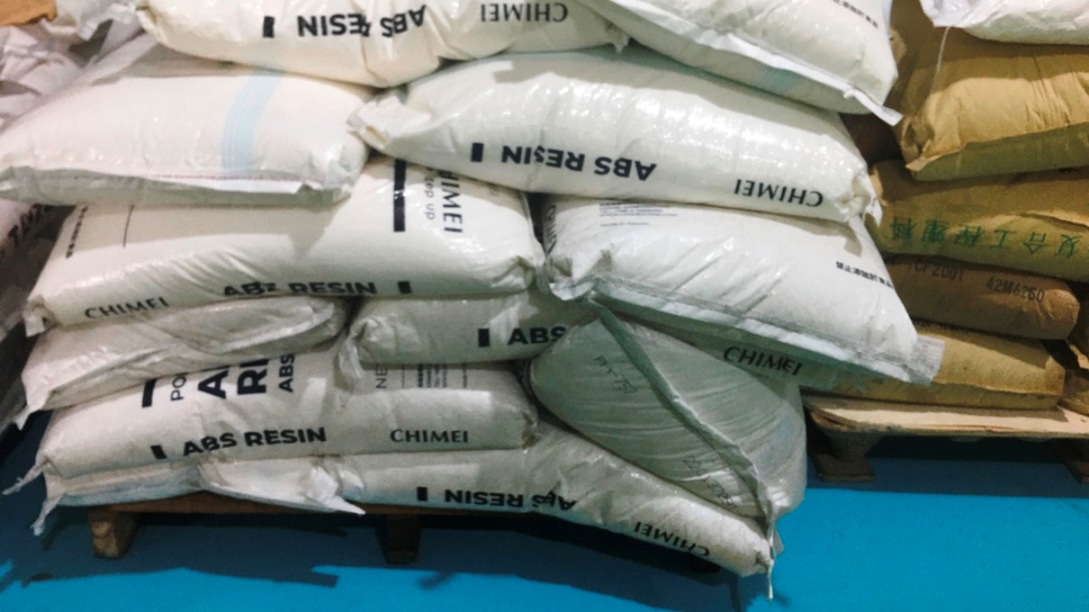
From raw materials to precision testing: How we maintain engineering consistency.
Incoming copper wire, magnet rotors, and steel blanks are tested for purity and mechanical compliance.
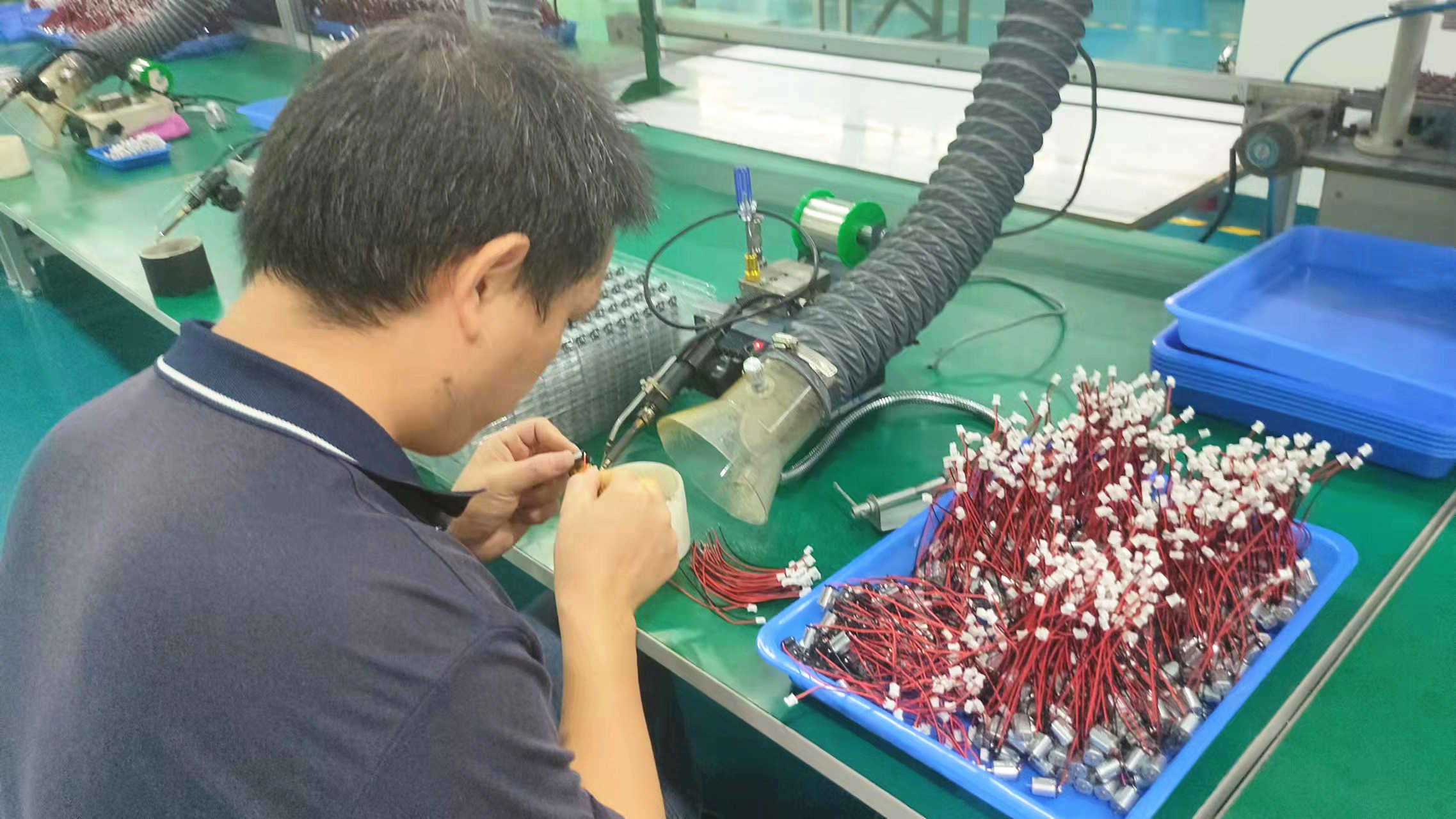
Automated lead soldering ensures robust electrical contacts that withstand thermal expansion cycle stresses.
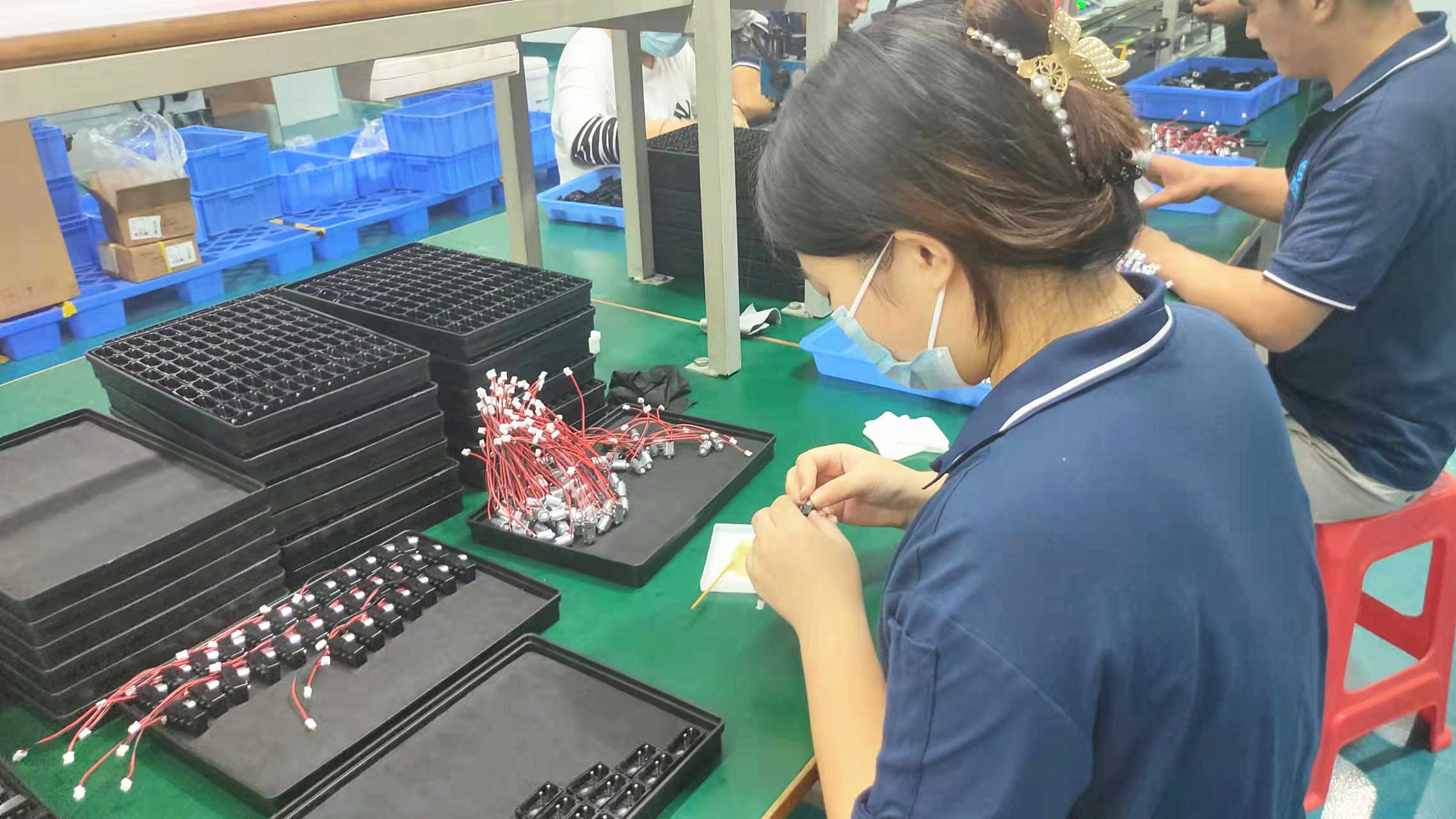
Clean-room class component assembly preserves motor housing integrity and prevents bearing contamination.
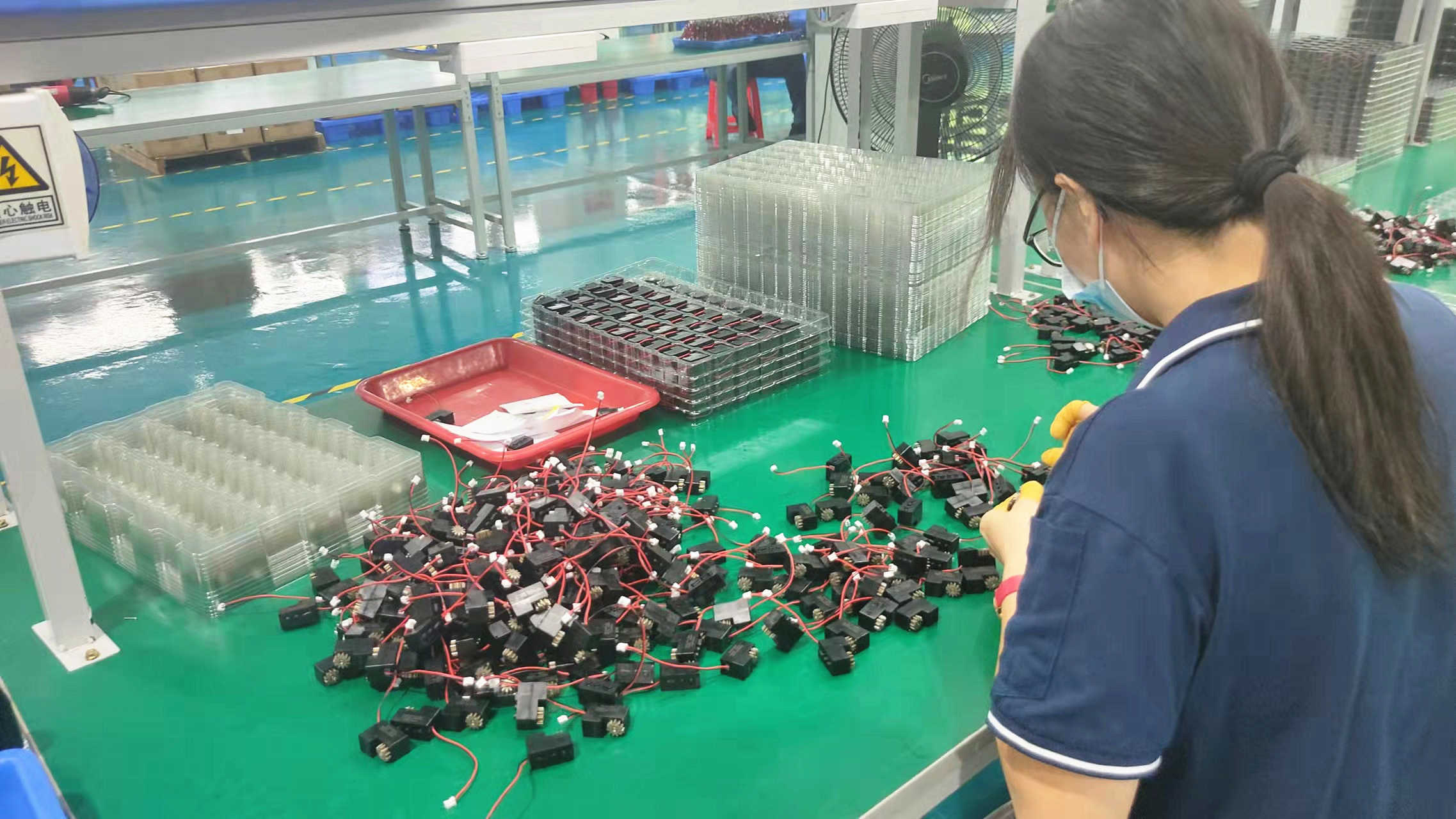
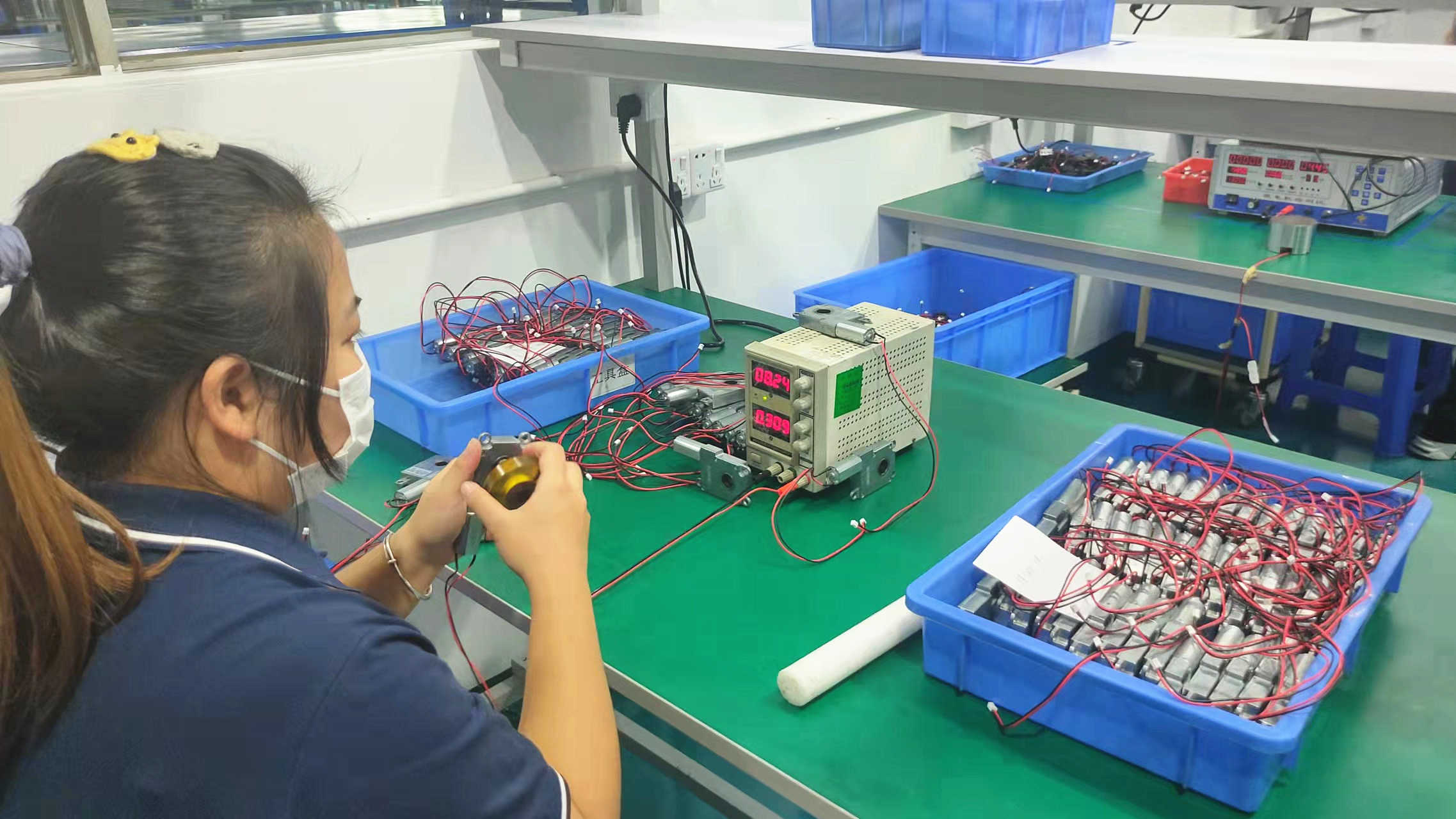
100% of finished motors undergo functional and dynamic load tests before packaging.
Sealed, anti-static, shockproof packaging protects precision encoders during international transport.
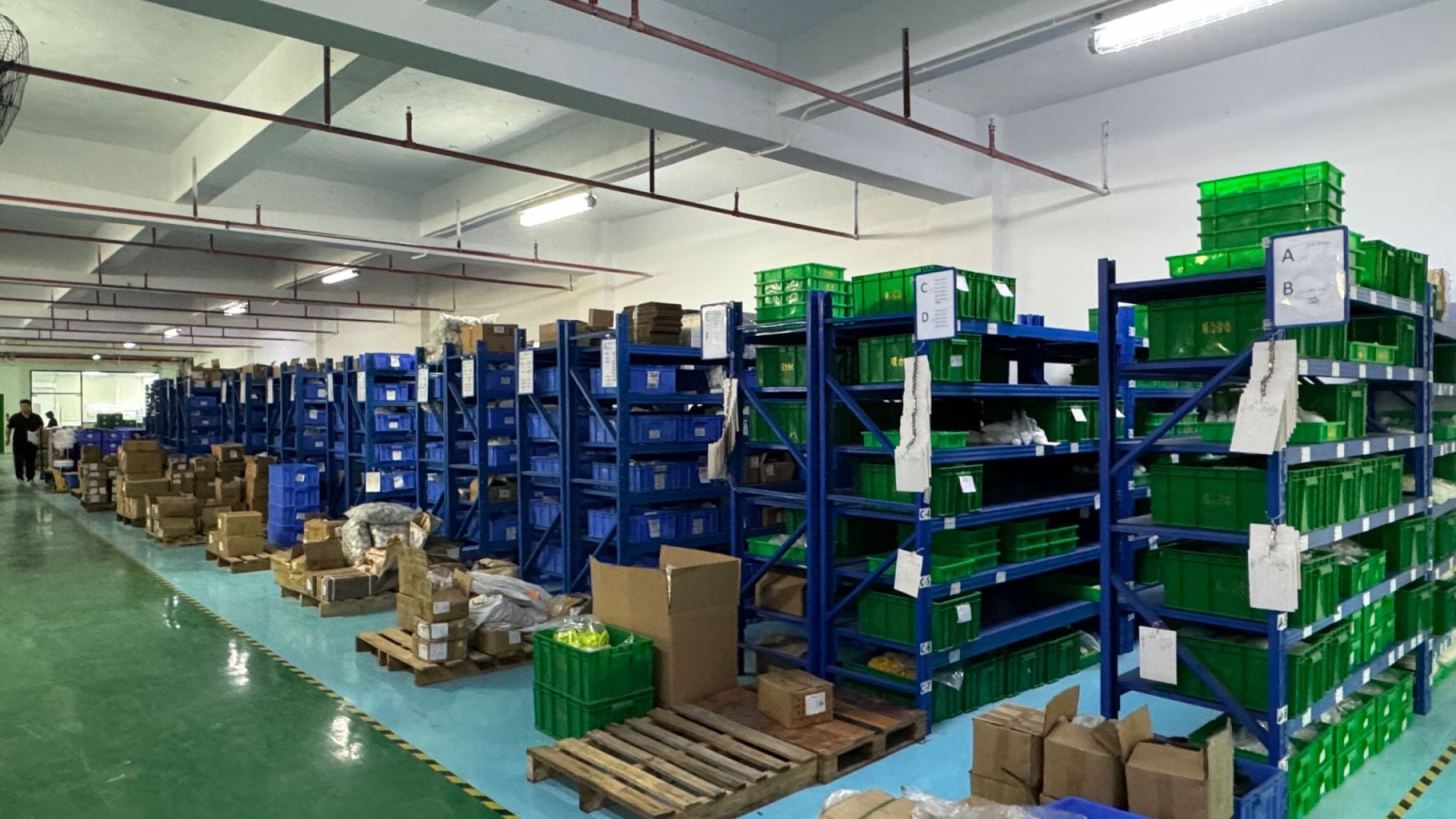
Climate-controlled warehouses protect mechanical components from oxidation and ambient humidity.
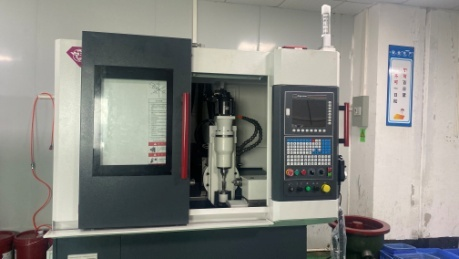
High-precision gear hobbing machinery ensures tight dimensional tolerances and minimizes backlash.
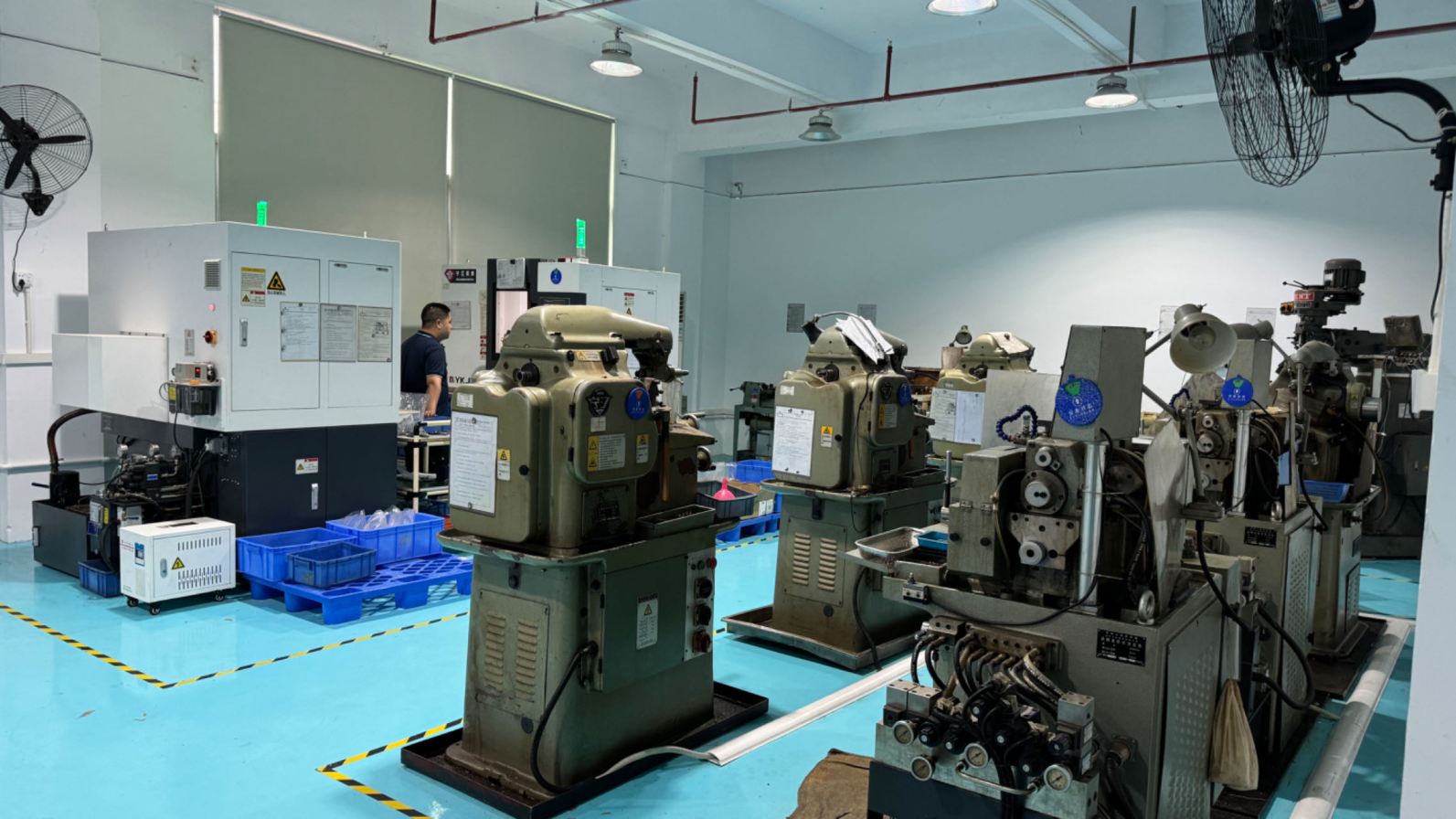
Automated, high-throughput gear manufacturing yields clean gear meshing teeth and reduces vibration.
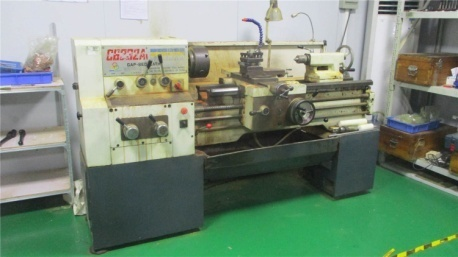
Used for crafting high-concentricity motor shafts and housing shells.
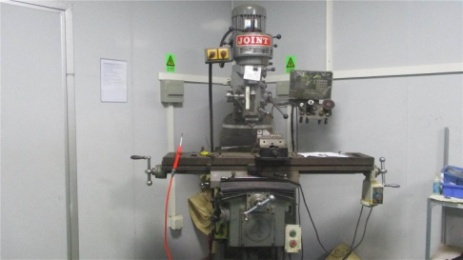
Generates customized gearbox casings with precise mounting interfaces.
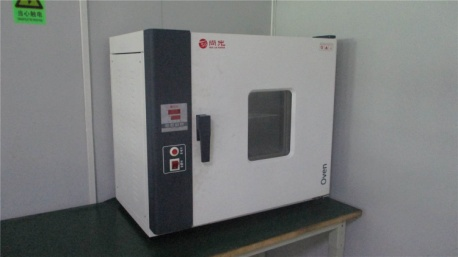
Cures rotor insulation coating layers under controlled thermal profiles.
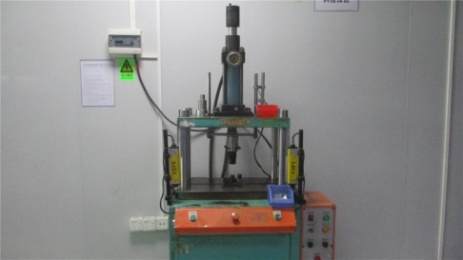
Guarantees axial-load structural alignment within micro-gearbox systems.
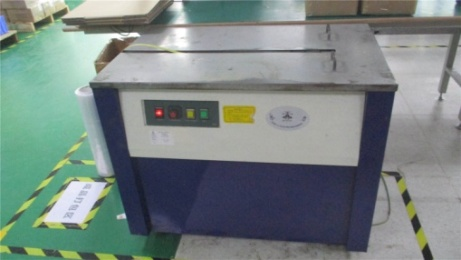
Prepares motors for international logistics using protective shrink wrapping.
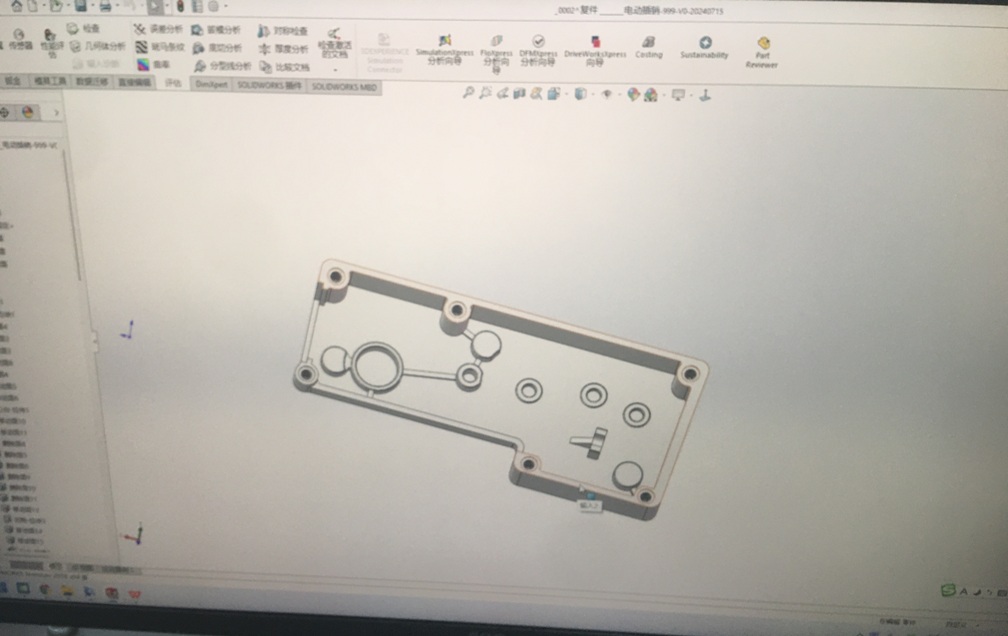
R&D engineering station for customized 3D assemblies and gearing optimization.
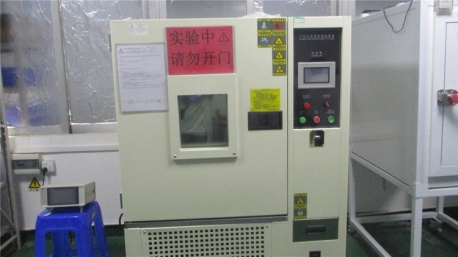
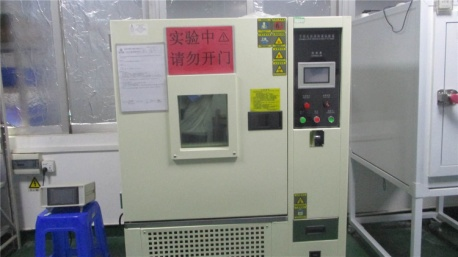
Tests environmental resistance by cycling from -40°C up to +150°C.
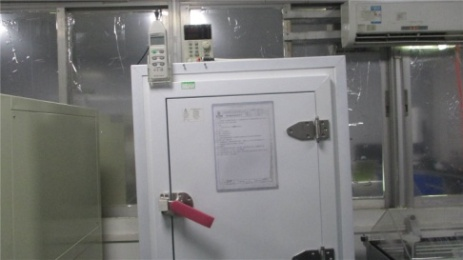
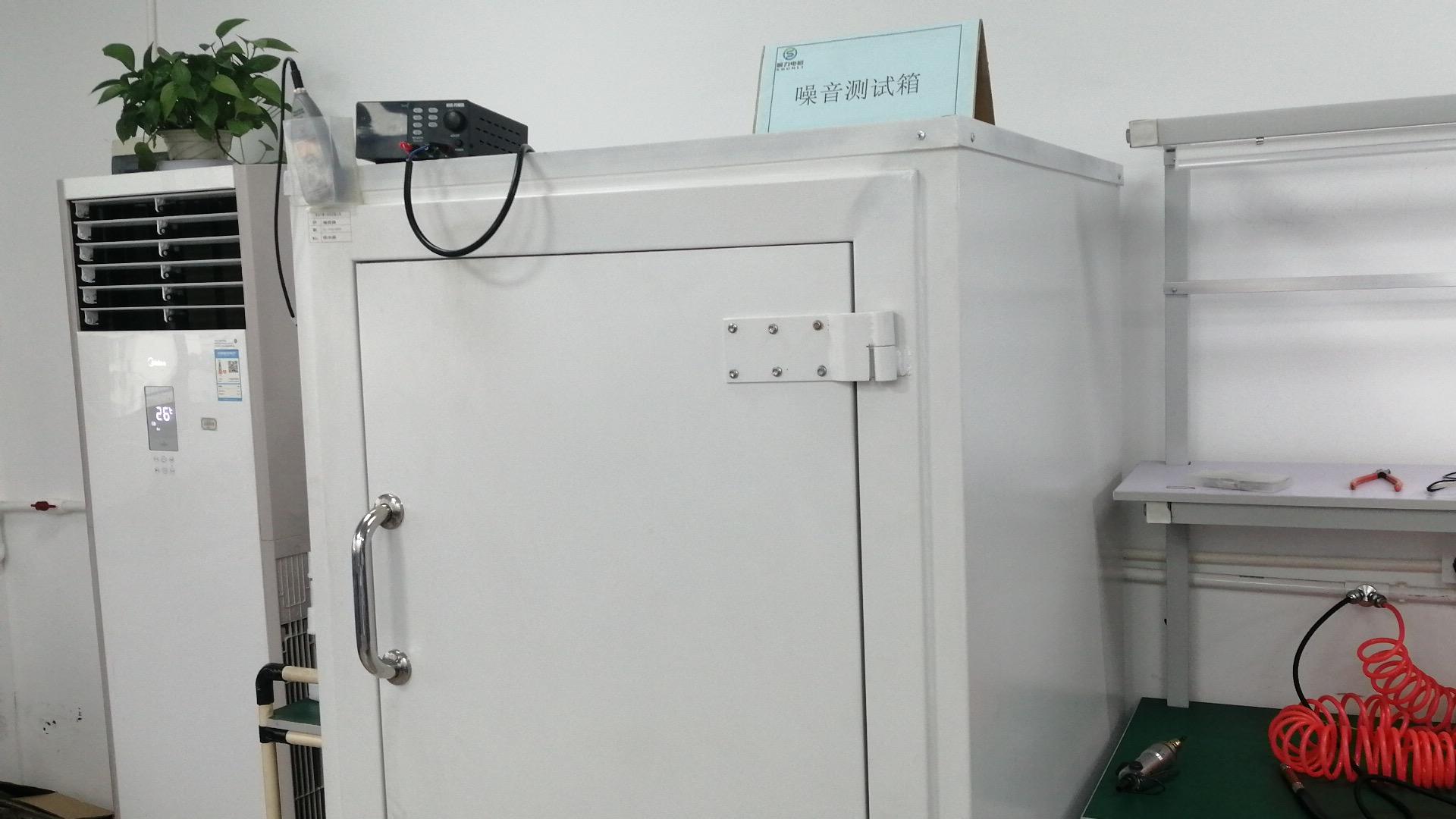
Measures acoustic profiles to ensure motors satisfy low-noise (under 35dB) standards.
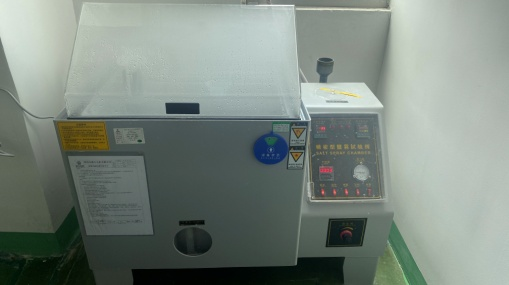
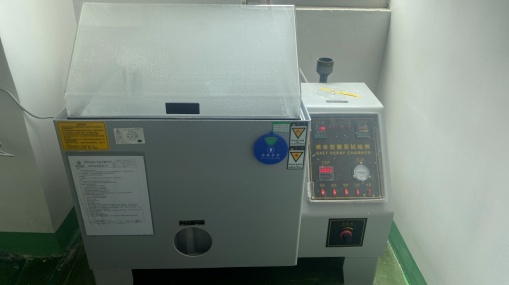
Tests rust and corrosion resistance under conditions that simulate coastal maritime environments.
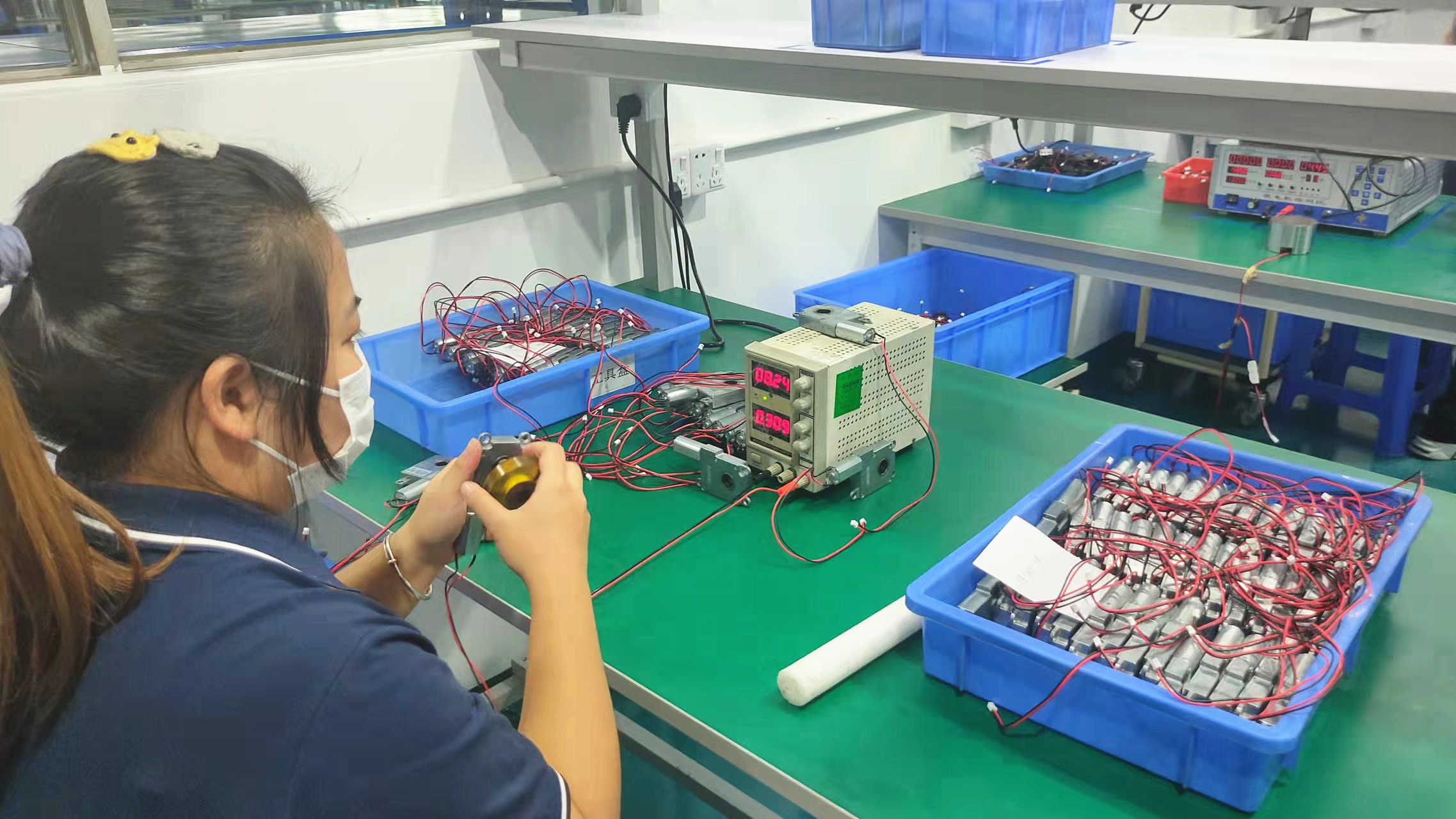
In-process inspections using calipers, gauges, and laser optical measurement systems.
Subjecting custom prototype designs to continuous high-vibration life cycle testing.
Analyzing vibration spectrum parameters to identify and resolve gear alignment issues.
Accelerated aging assays to confirm the durability of zinc plating and anodization coatings.
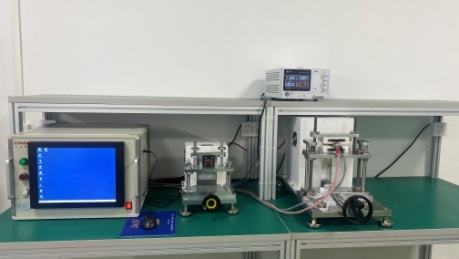
Measures speed, torque, electrical input power, and mechanical efficiency curves.
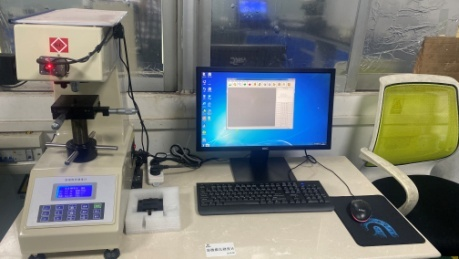
Verifies the surface and core hardness of steel shafts and gears after heat treatment.
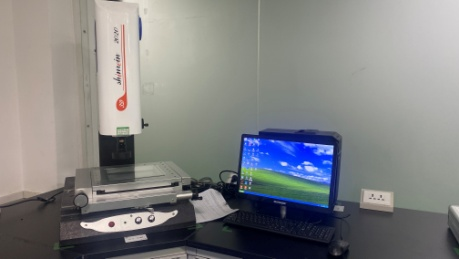
Uses optical systems to inspect gear profiles and dimensional tolerances down to the micron.
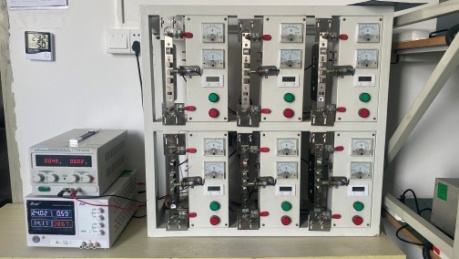
Runs motors continuously under load to identify infant mortality defects before shipping.
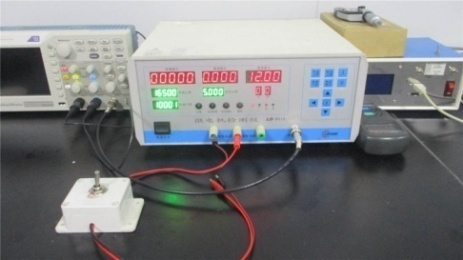
Measures insulation resistance, dielectric strength, and winding resistance values.
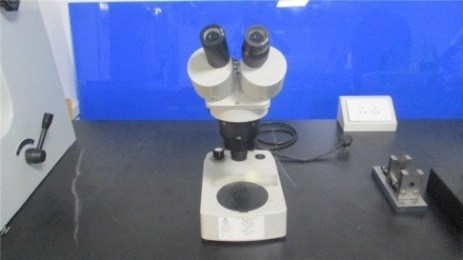
Inspects brush assemblies and commutator surfaces for micro-cracks or debris.
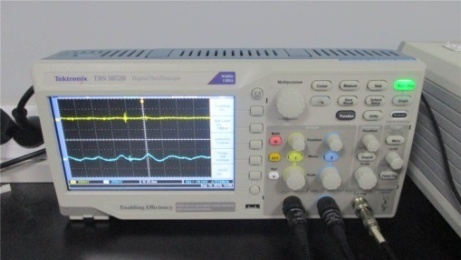
Monitors encoder signal pulse trains, duty cycles, and phase relationships.
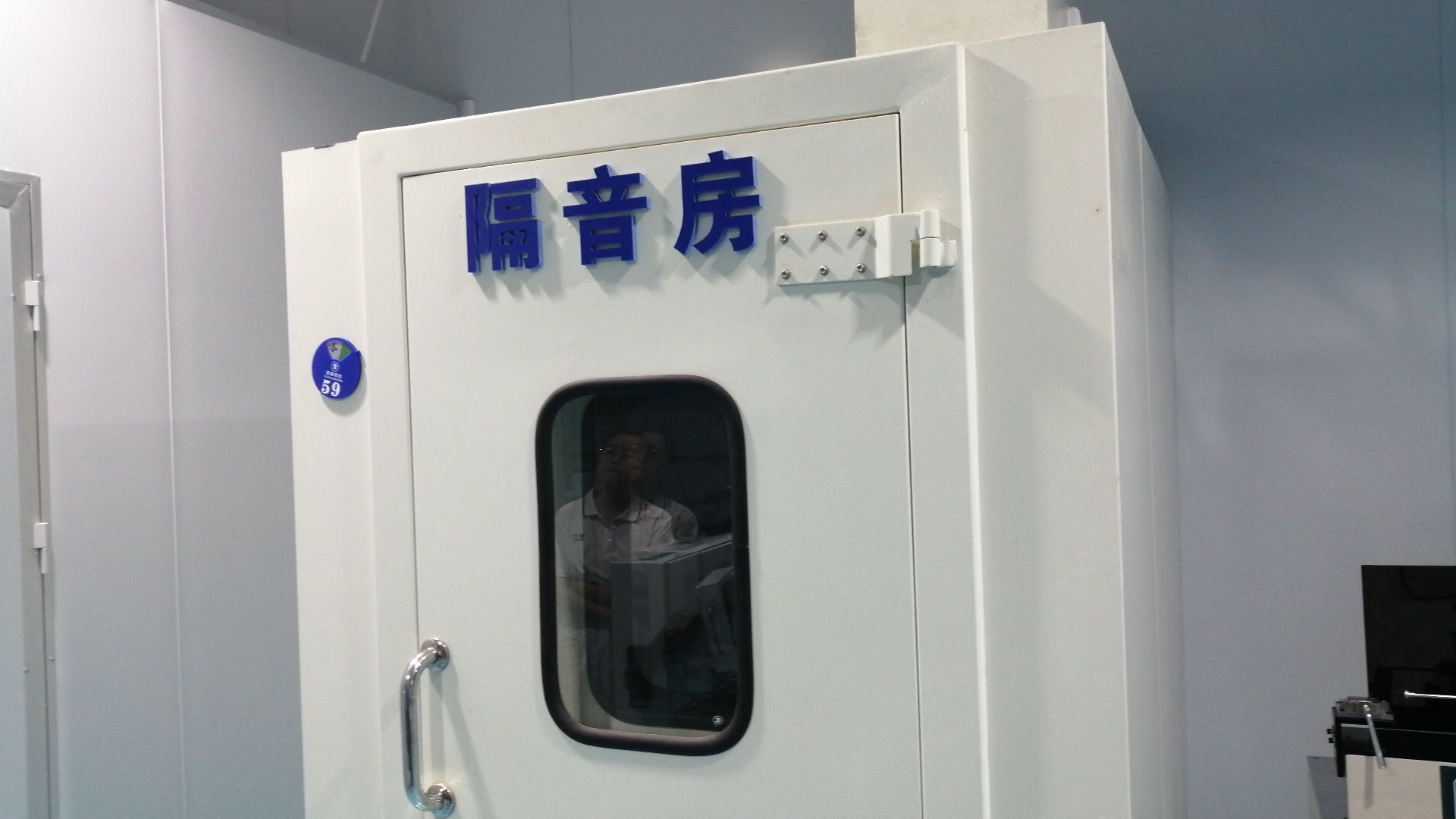
Ensures background noise stays below 15dB for accurate motor decibel ratings.
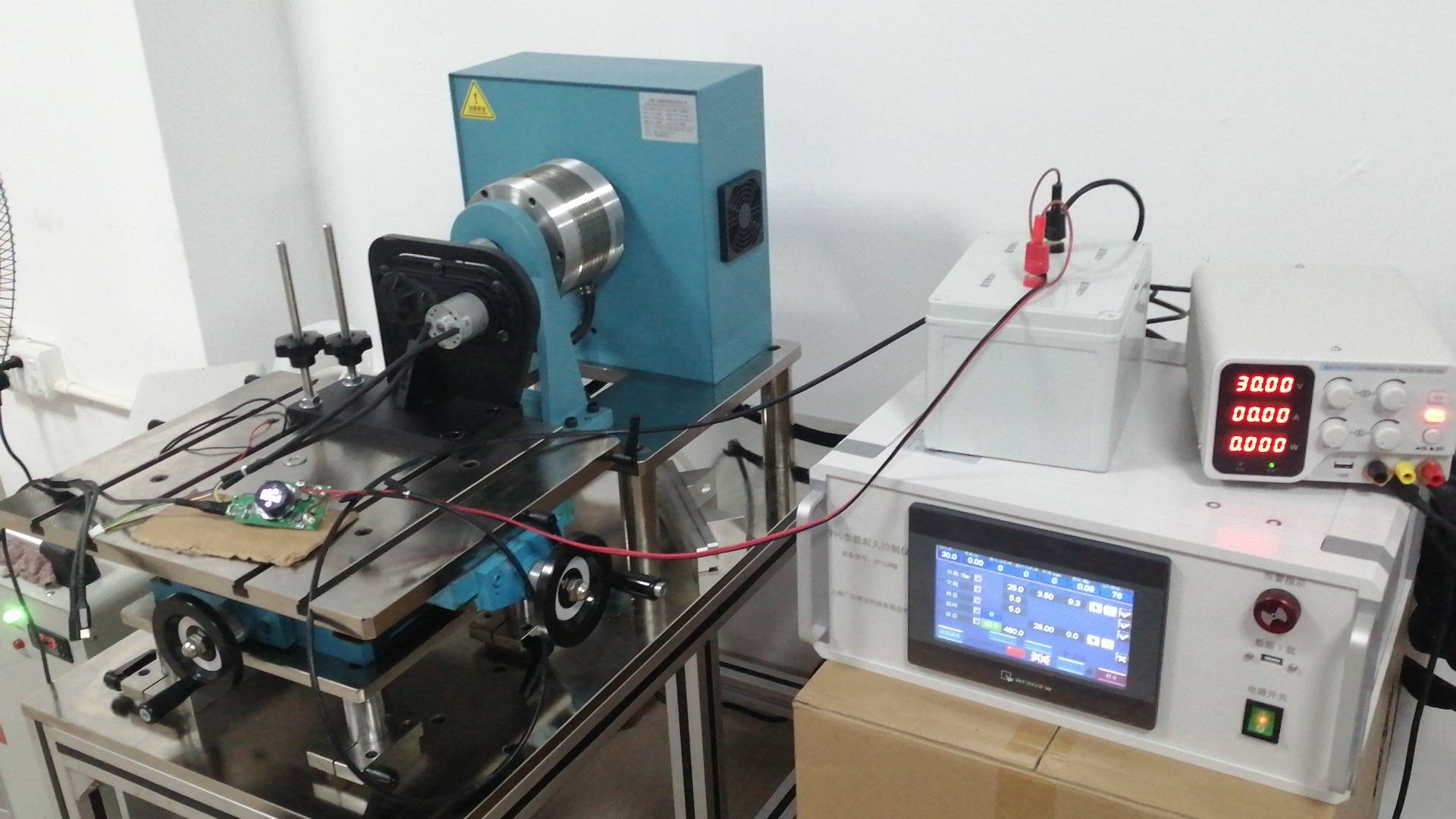
Provides adjustable braking loads to measure steady-state torque efficiency.
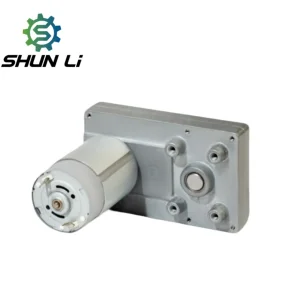
A comprehensive catalog of customizable micro-drive configurations, built to handle various torque, voltage, and load demands.
For procurement officers and engineering leads throughout Washington State, finding reliable, high-volume production partners is key to scaling products. Sourcing directly from Chinese factories provides distinct cost benefits, but it also requires clear communication regarding specifications and quality standards.
At Zonix Motor, we address these challenges by providing direct engineering support. Our design team collaborates directly with our manufacturing facilities to ensure all technical requirements—such as shaft tolerances, carbon brush compositions, and grease profiles—are met. This approach helps reduce development lead times and ensures the final product performs reliably in the field.
Due to the humid conditions in the Puget Sound region, standard motors are susceptible to rust and premature bearing failure. Our custom solutions for Seattle clients incorporate upgraded environmental protections, including:
Before any batch of DC worm gear motors leaves our warehouse, it is verified for:
Key technical and logistics inquiries regarding DC worm gear motors in the Seattle market.