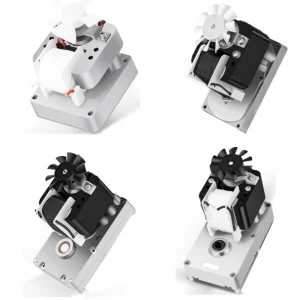
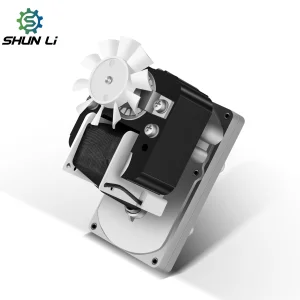
Zonix Motor
Zonix Motor
Zonix Motor
High-torque, silent-acoustic engineered motion modules built under strict ISO9001 quality guidelines
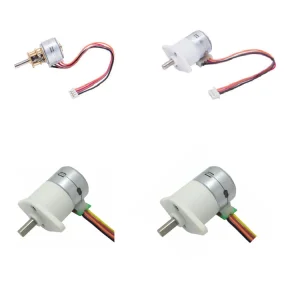
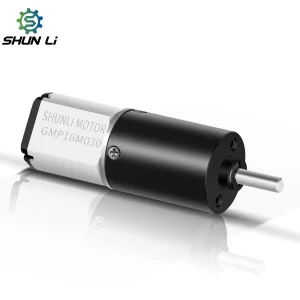
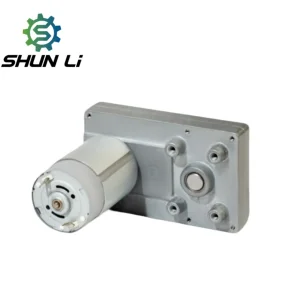
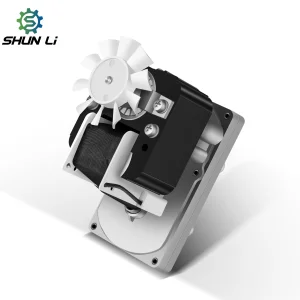
In modern industrial design, the choice of motion control technology determines the success of precision instruments. Bipolar stepper motors have emerged as the standard for applications requiring high torque at low speeds, unmatched holding torque, and precise angular positioning without closed-loop sensor dependencies. By utilizing a two-phase winding configuration with current reversing capabilities, bipolar stepper motors maximize magnetic flux utilization, generating up to 30% higher torque output compared to similar-sized unipolar counterparts.
For product designers, procurement departments, and system integrators, selecting a certified, high-caliber factory is crucial. A micro-step variation or shaft tolerance deviation of even 0.01mm can result in resonance, accelerated gear wear, and premature mechanical breakdown. This whitepaper analyzes the manufacturing landscape, quality verification protocols, and key technology vectors for selecting premier stepper motor factories globally.
Bridging international engineering rigor with China’s supply chain efficiency
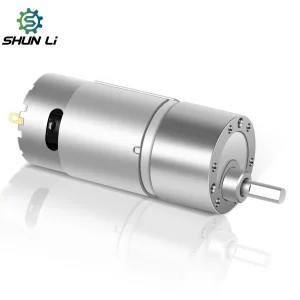
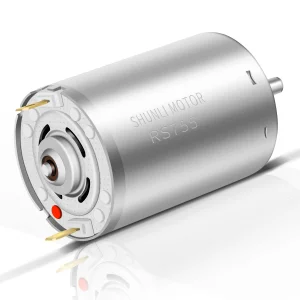
At Zonix Motor, we master the physics of rotation to power the technologies of tomorrow. As a premier certified manufacturer specializing in high-performance Micro DC Motors, DC Gear Motors, and Brushless DC Motors (BLDC), we have spent two decades engineering miniature motion solutions where high torque, silent acoustics, and enduring lifespans intersect.
Operating from our state-of-the-art, ISO9001-certified manufacturing facility, Zonix Motor bridges the gap between China’s world-class supply chain efficiency and international engineering rigor. Our compact micro-drives are trusted globally by product designers and R&D engineers in smart home automation, medical equipment, automotive electronics, and precision robotics—performing flawlessly under strict space and load constraints.
We don’t believe in one-size-fits-all hardware. Zonix Motor thrives on flexible OEM/ODM custom engineering. Backed by an elite in-house technical team holding multiple motor-tech patents, we offer rapid prototyping and seamless technical support. From specialized gear ratios and custom shaft configurations to precise voltage tuning, we design the silent, robust vortex that drives your product's success.

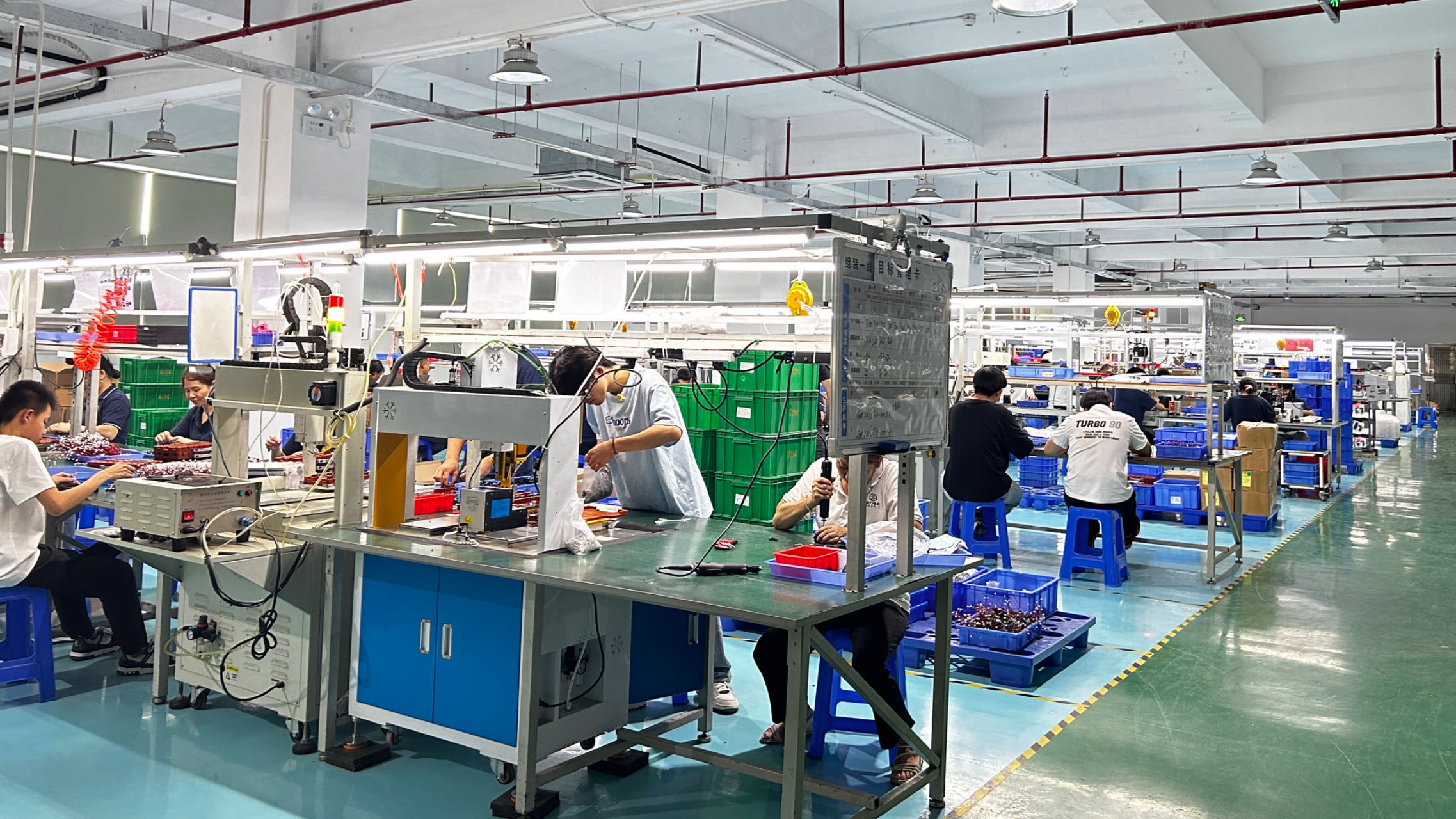
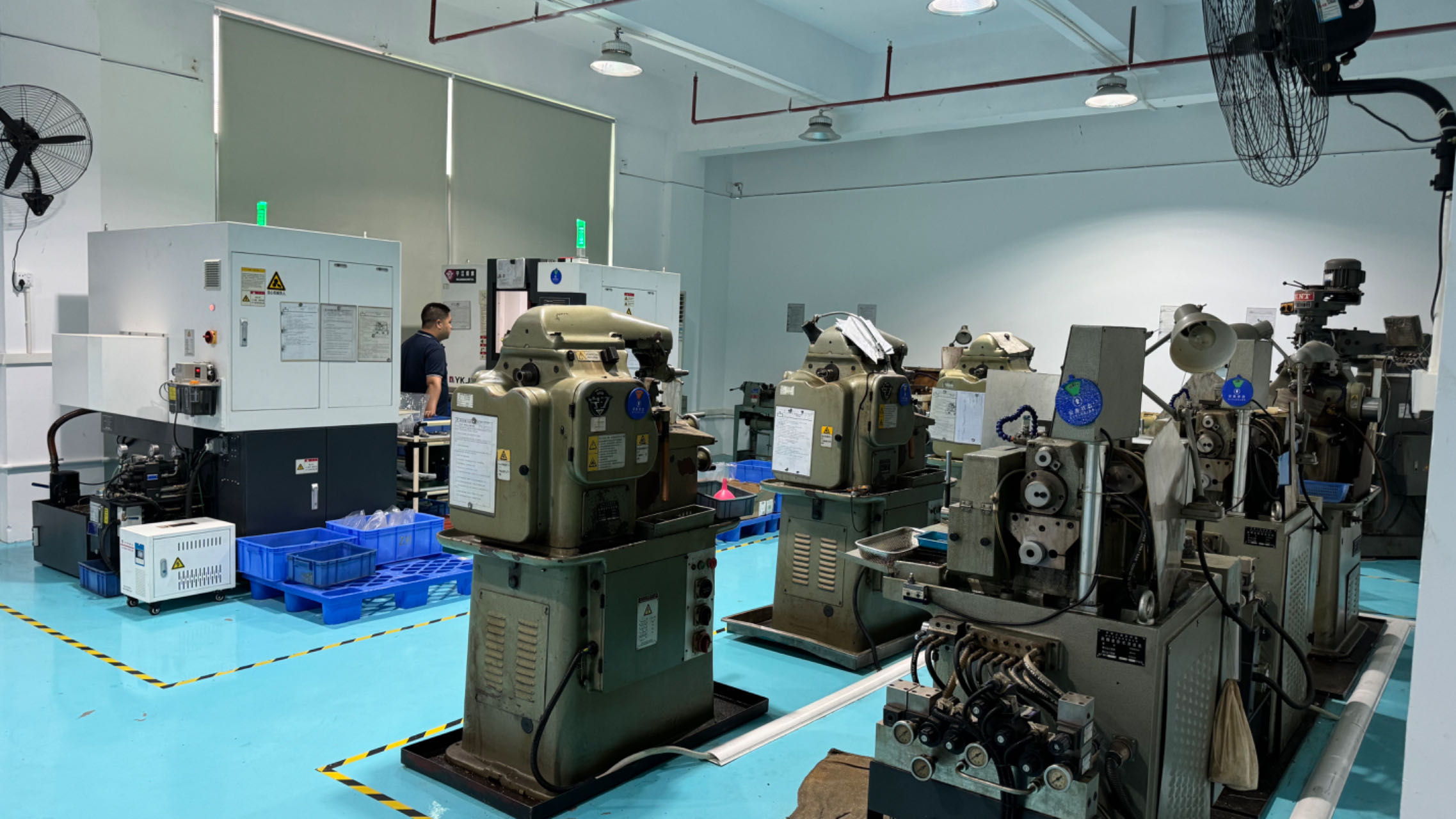
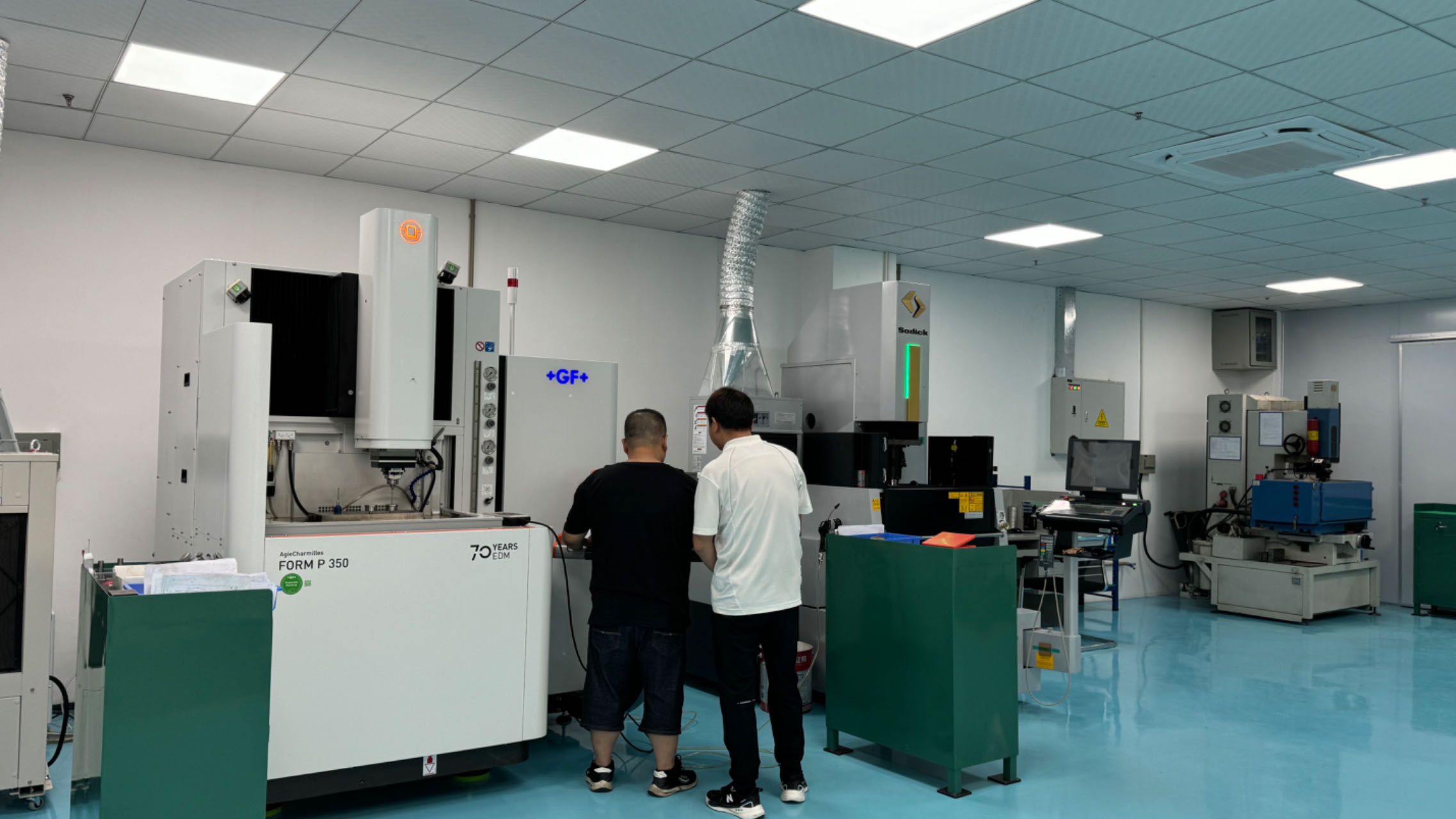
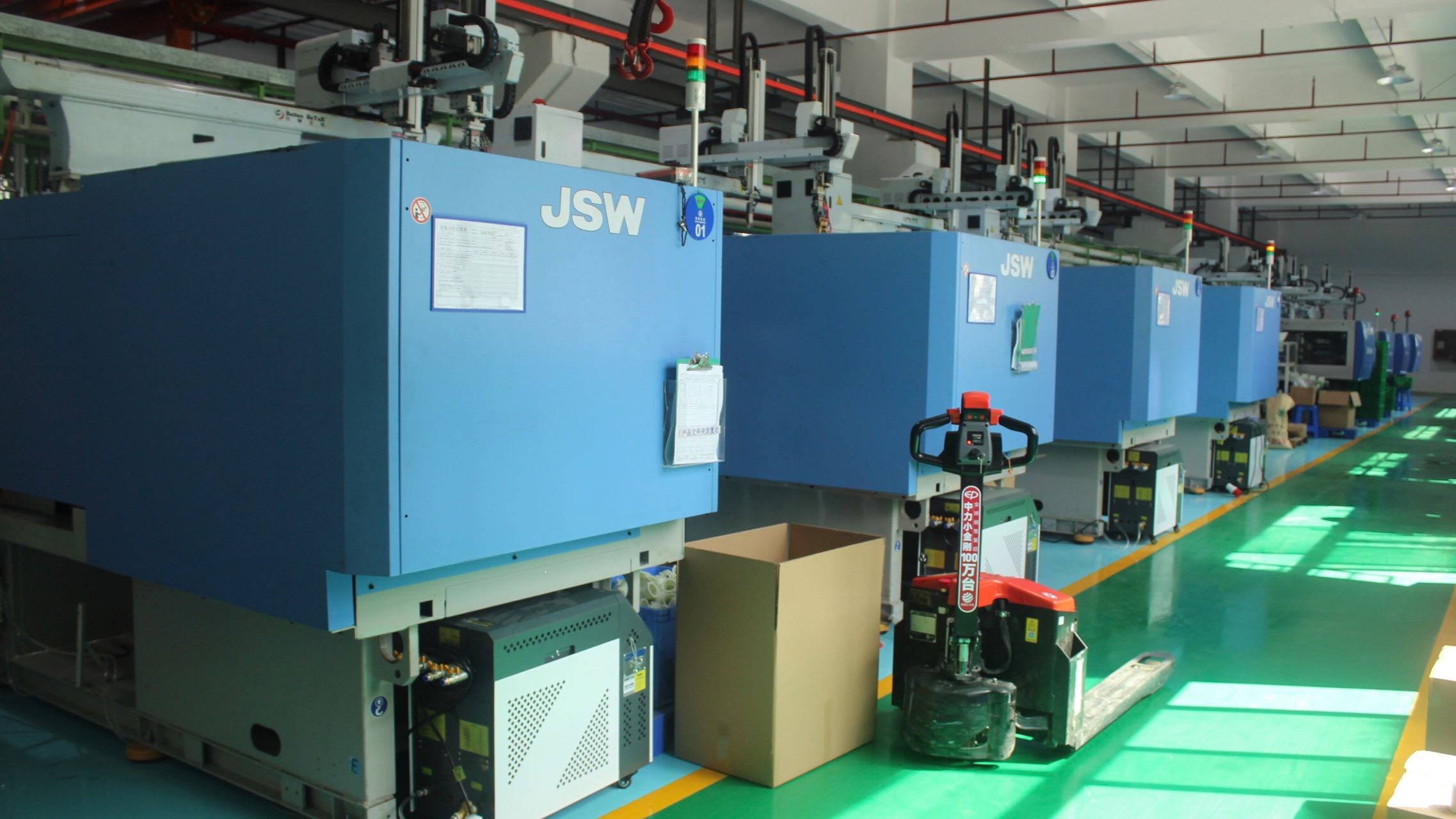
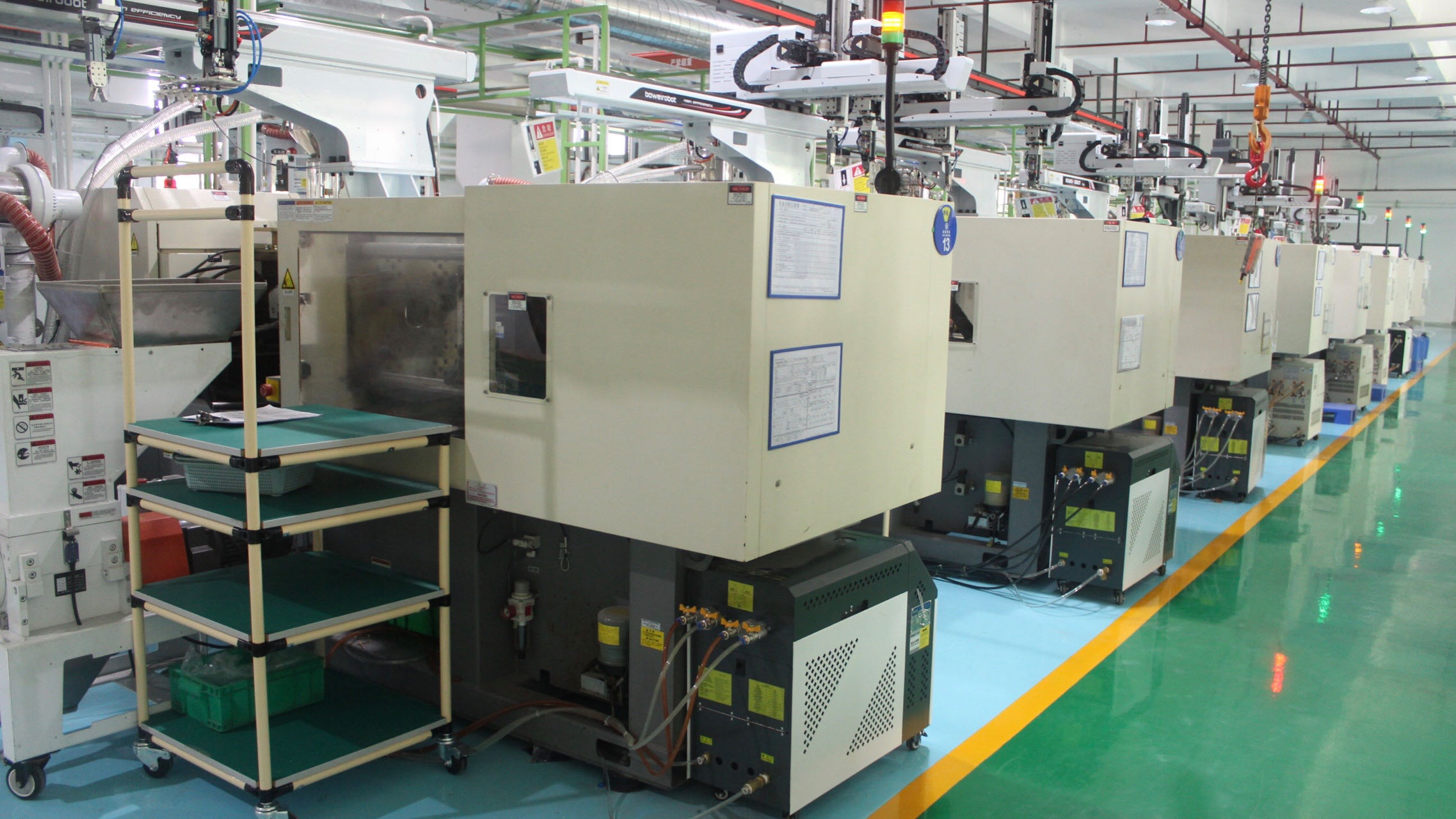
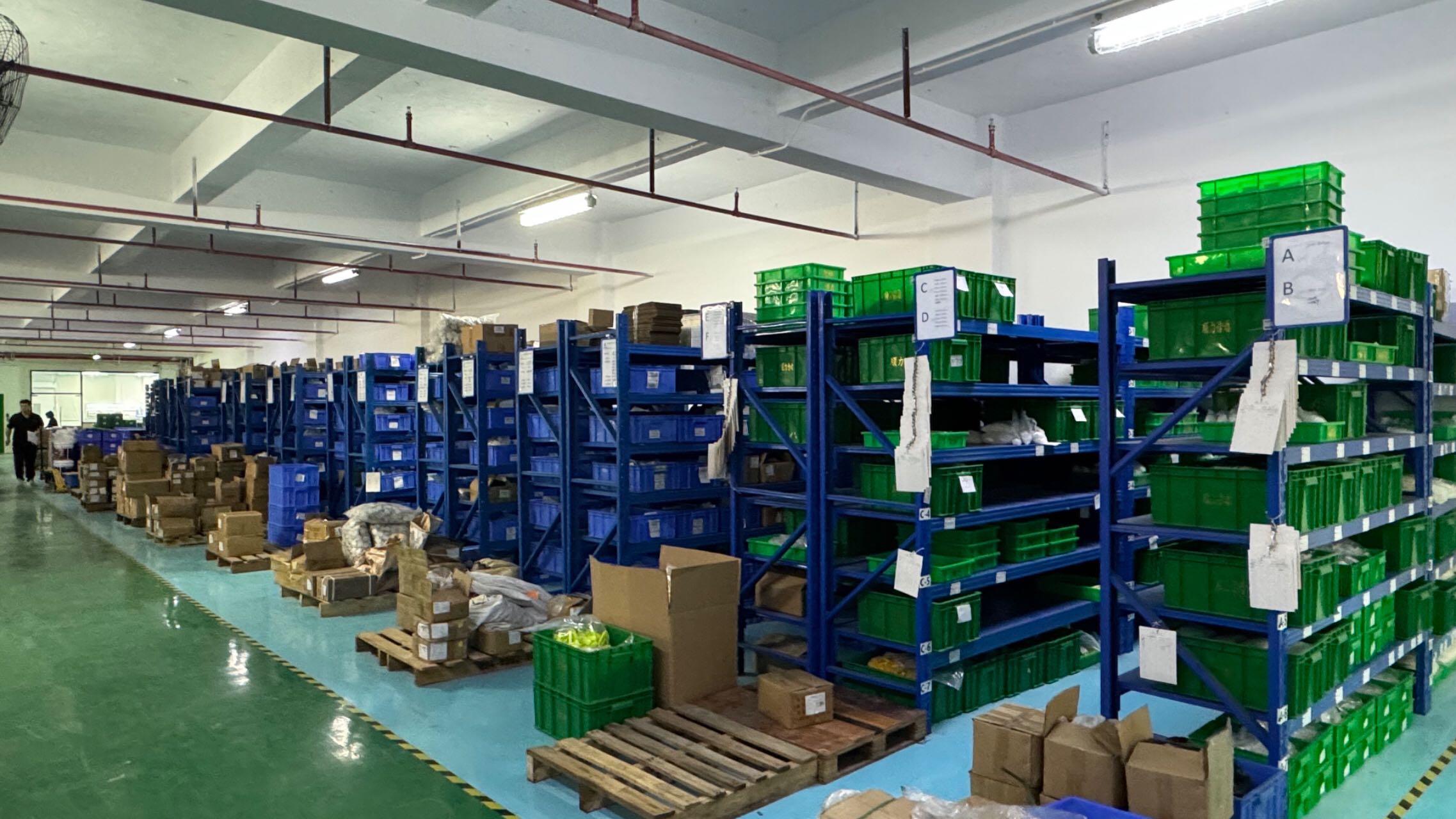

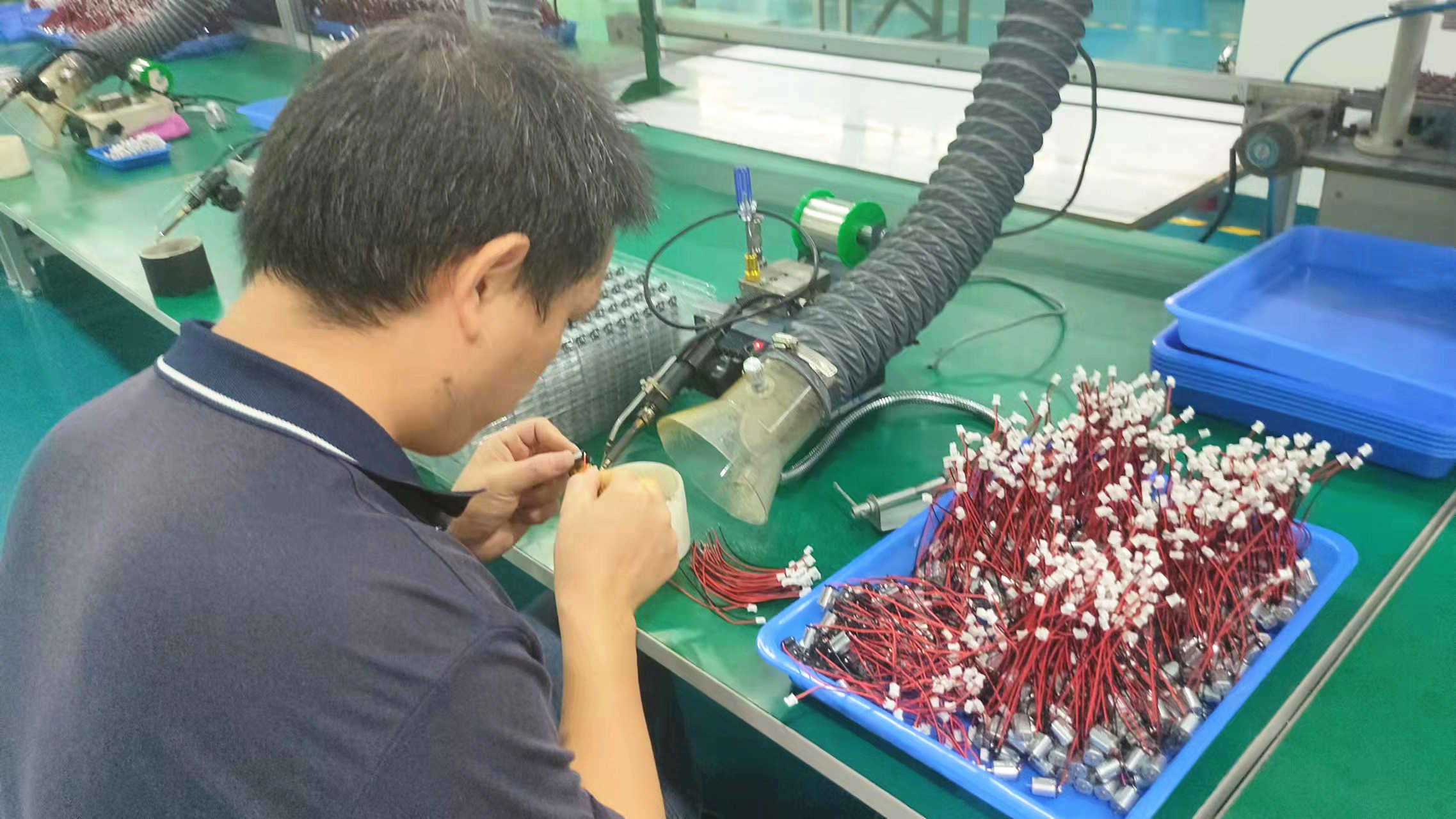
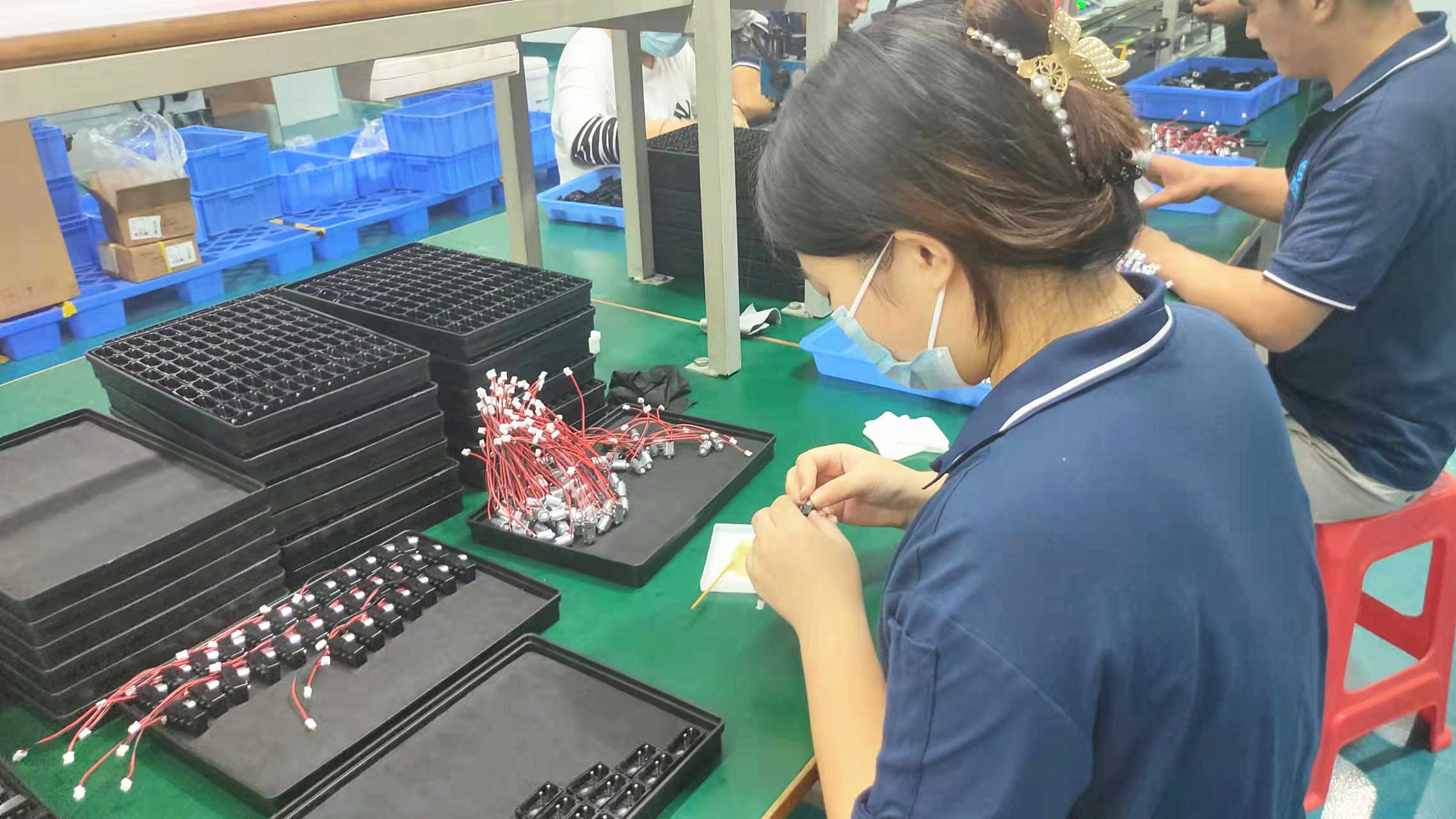
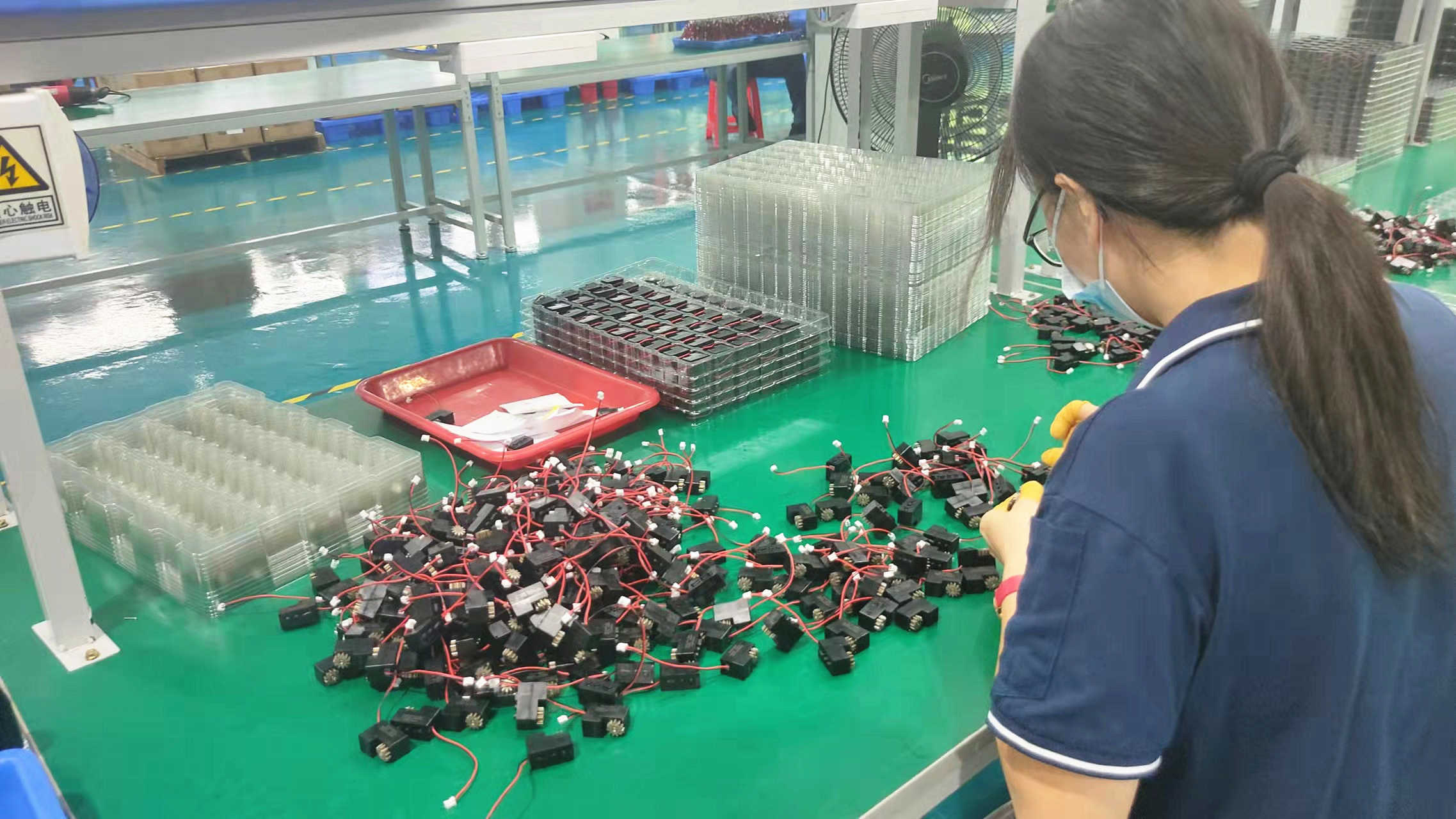
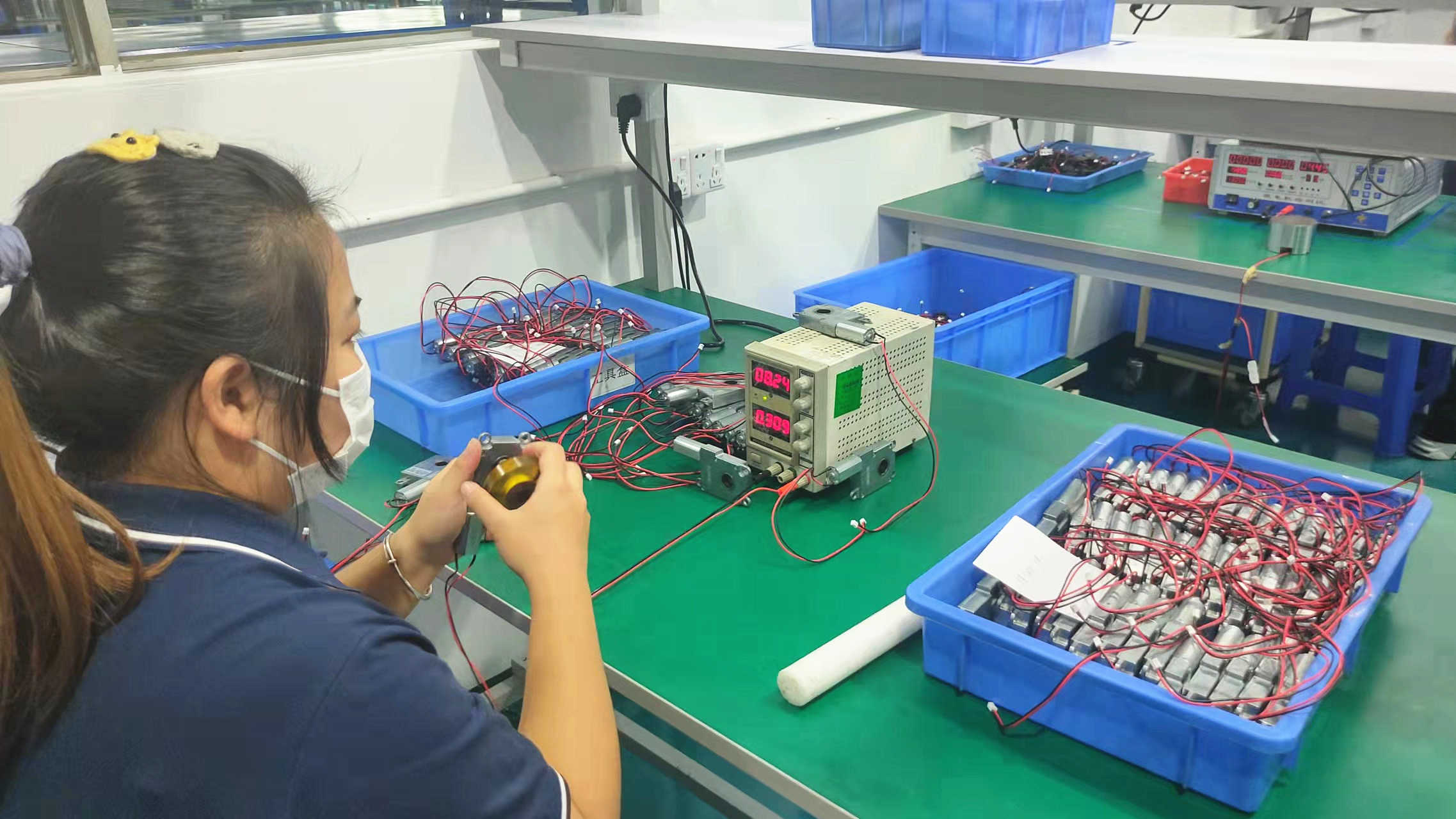
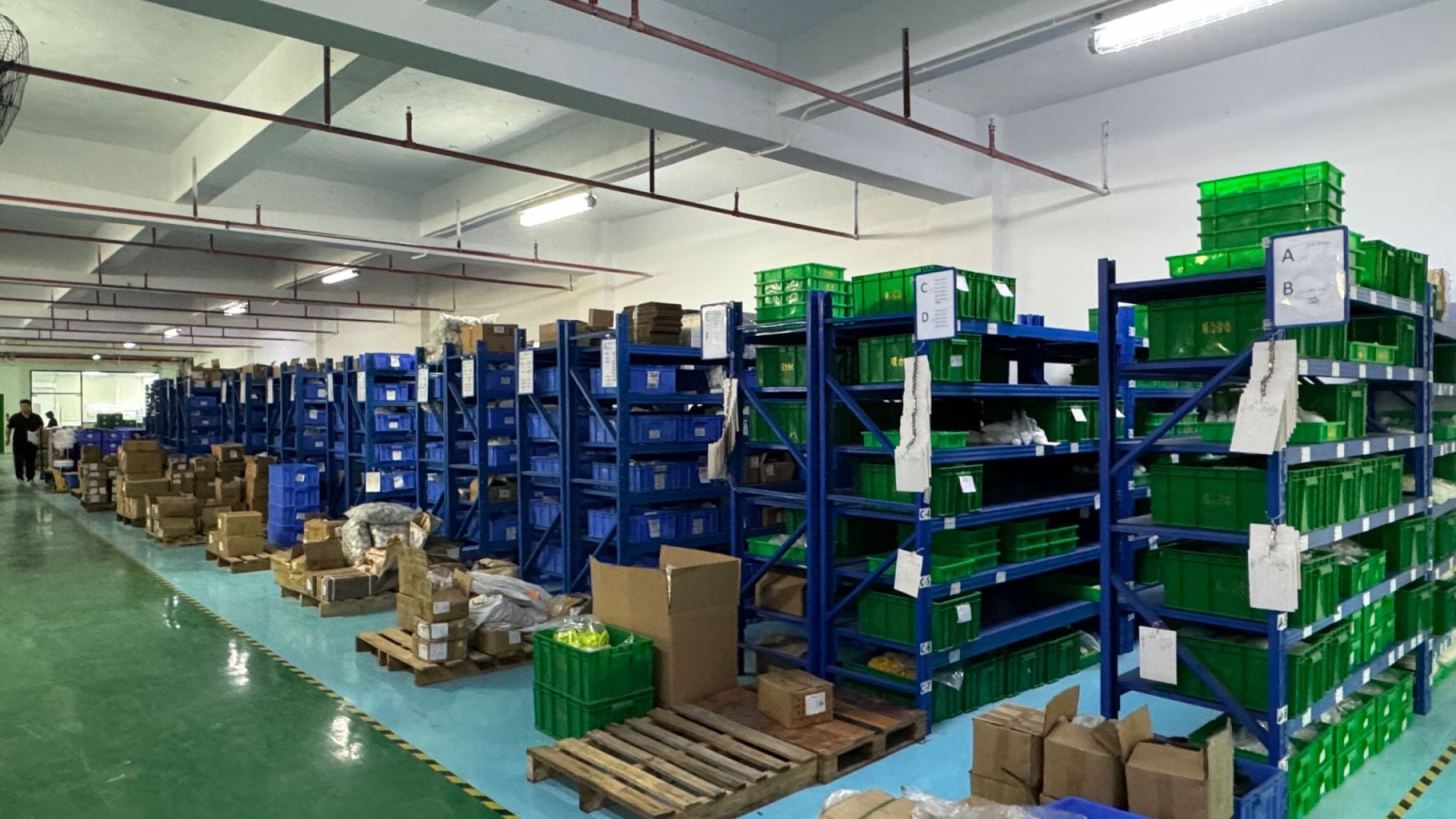
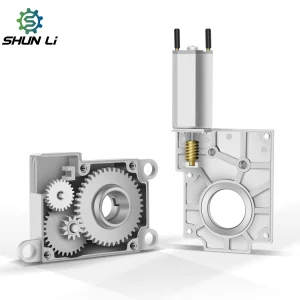
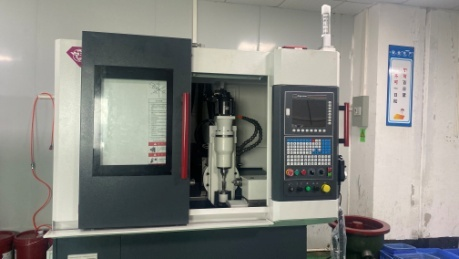
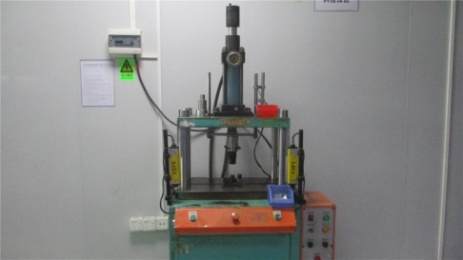
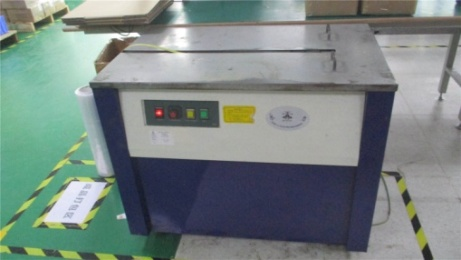
Precision gear lathing, hobbing, and riveting machines driving mechanical stability
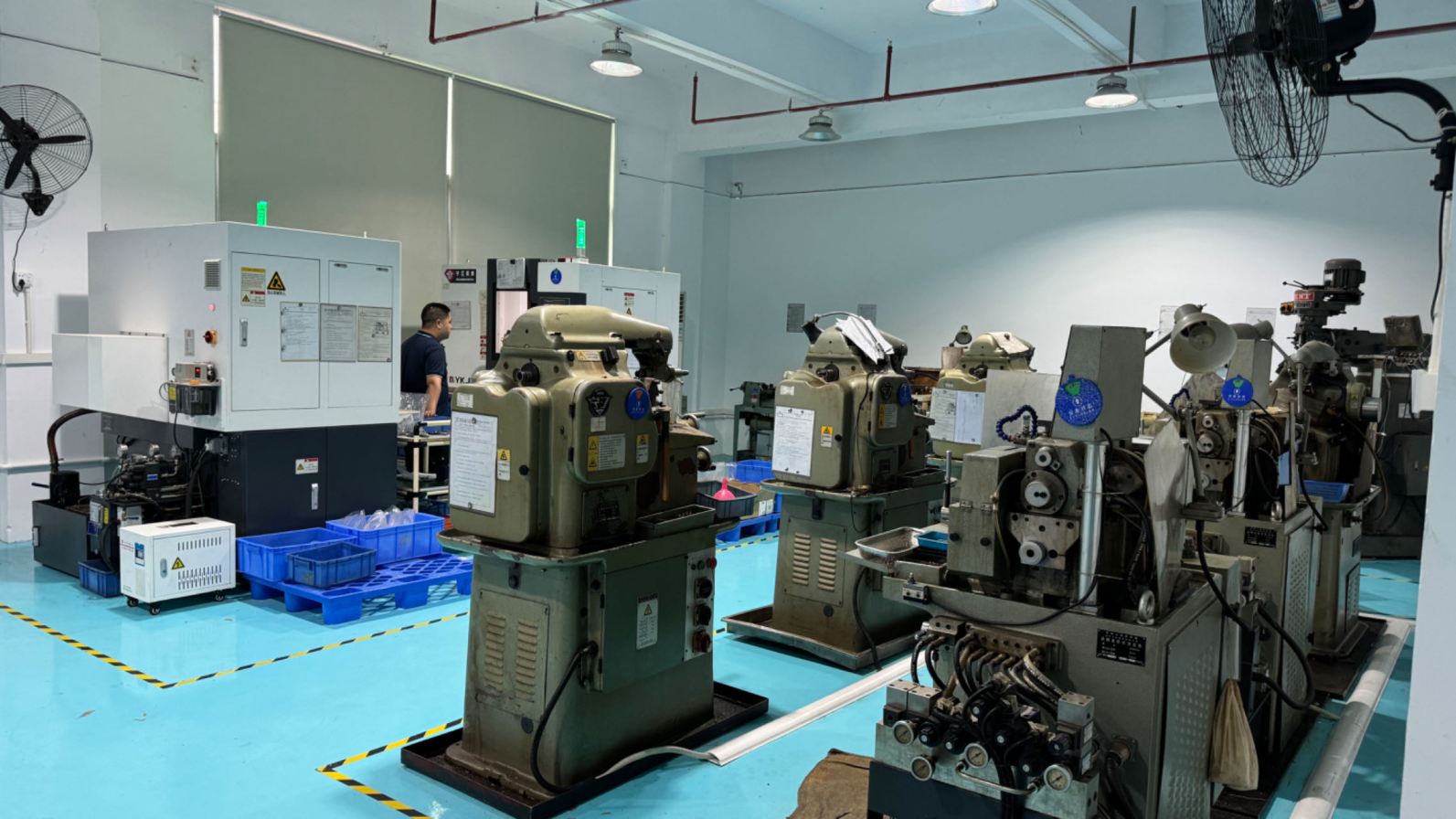
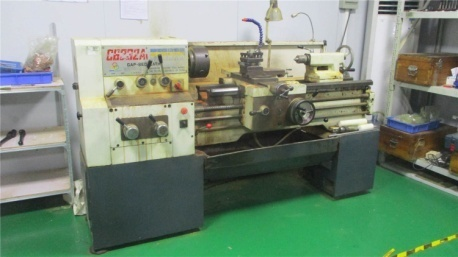
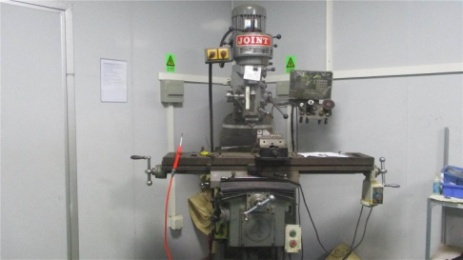
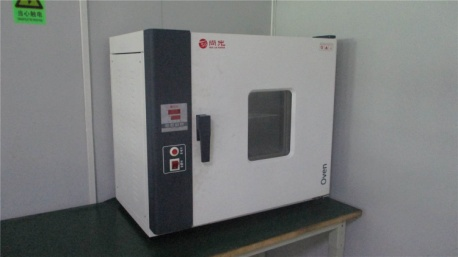
An objective industrial blueprint for global procurement and engineering audit teams
High-tier factories utilize automated grinding processes to keep rotor-to-stator concentricity under 0.005mm. Any misalignment leads to uneven magnetic gaps, resulting in torque fluctuation and mechanical vibration.
Premium manufacturers use SH-grade NdFeB magnets (Neodymium Iron Boron) that operate up to 150°C without demagnetization. Lower-cost suppliers often substitute with lower-grade materials, resulting in a 20% torque degradation over 1,000 operational hours.
Automated copper winding and encapsulation under Class H (rated to 180°C) or Class B (130°C) parameters protect the stepper coils from voltage spikes and thermal failure during micro-stepping operations.
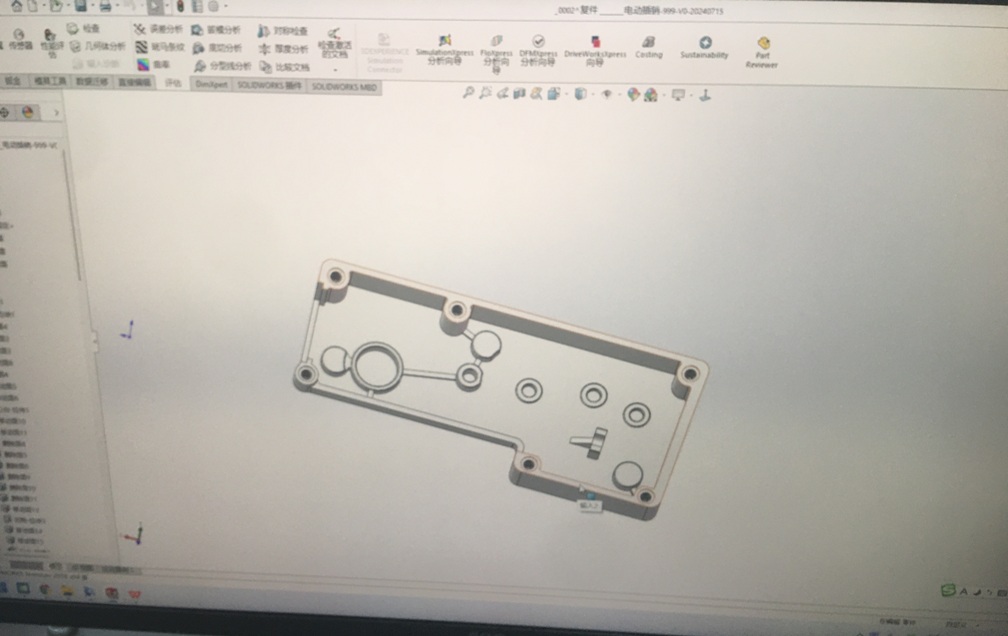
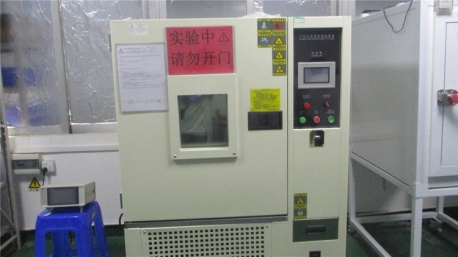
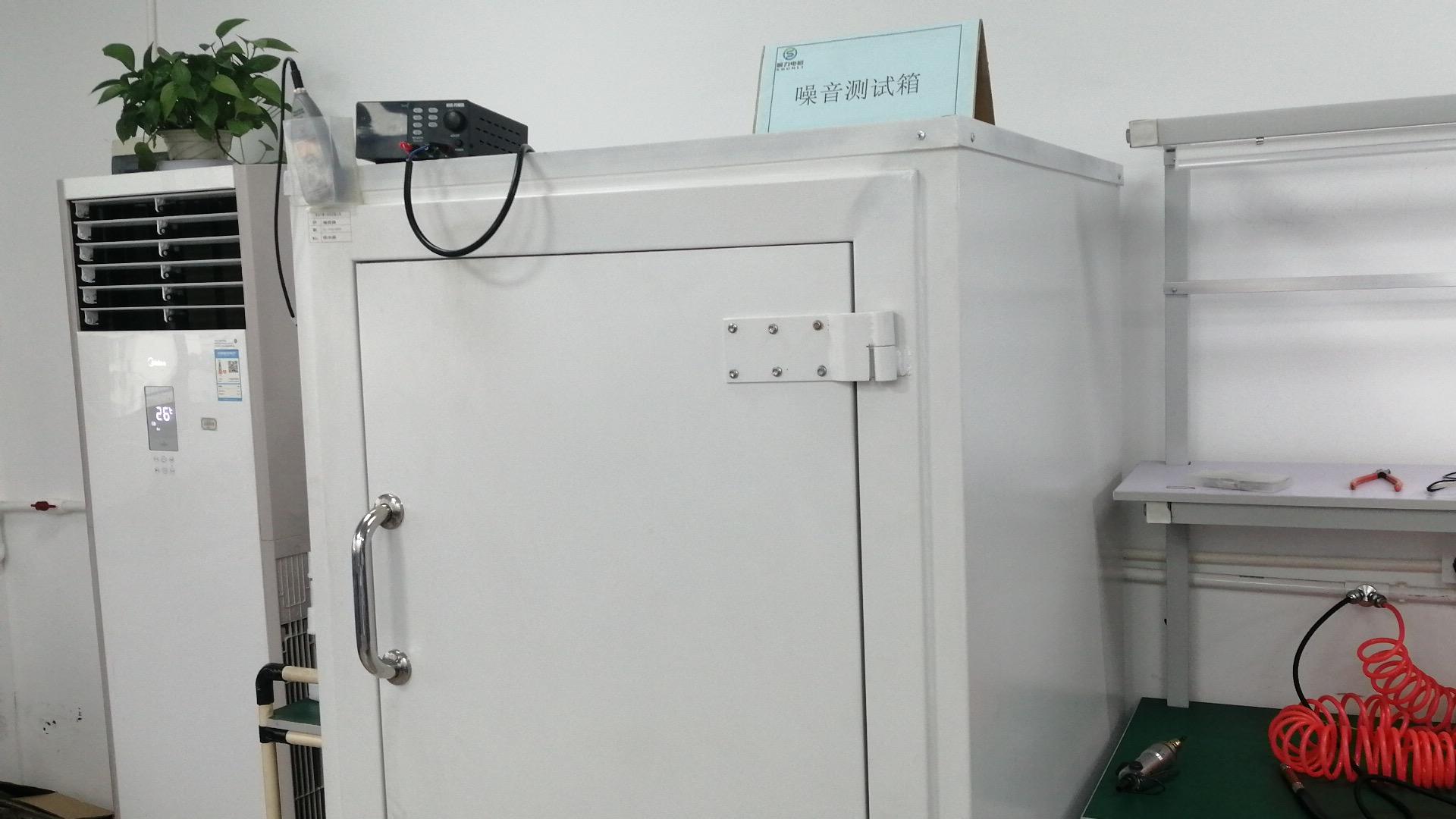
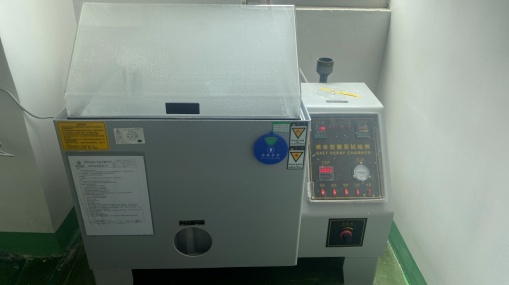
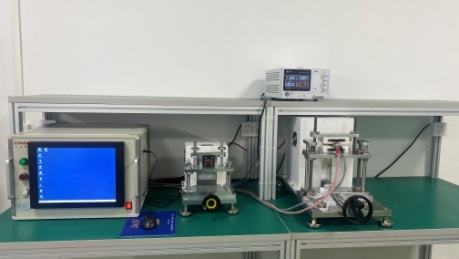
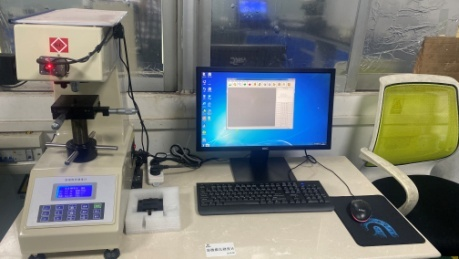
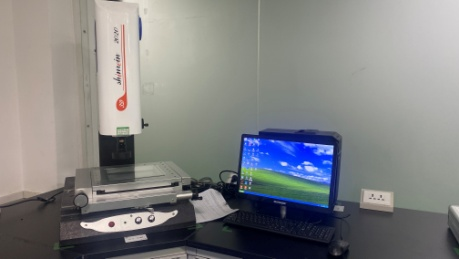
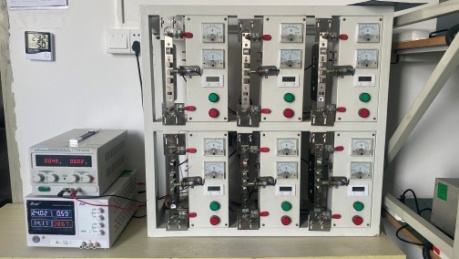
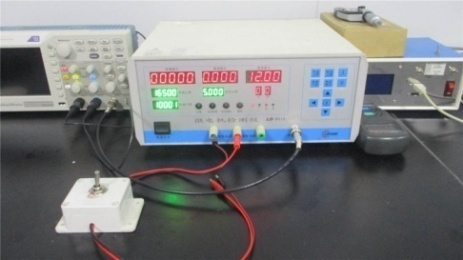
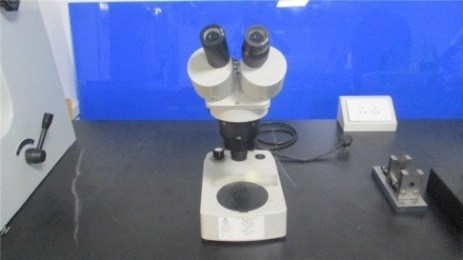
Inspecting structural integrity, material properties, and environmental resilience
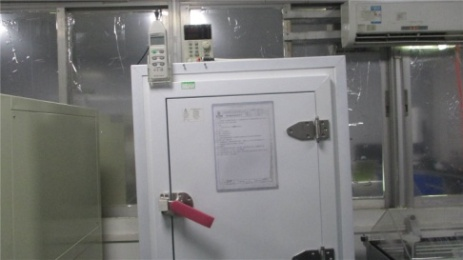
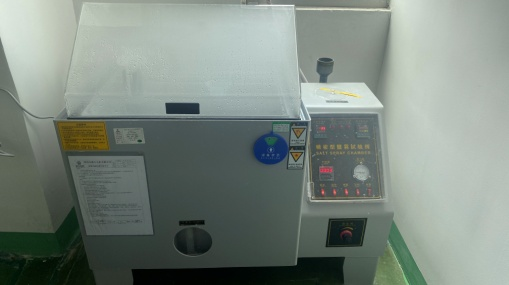
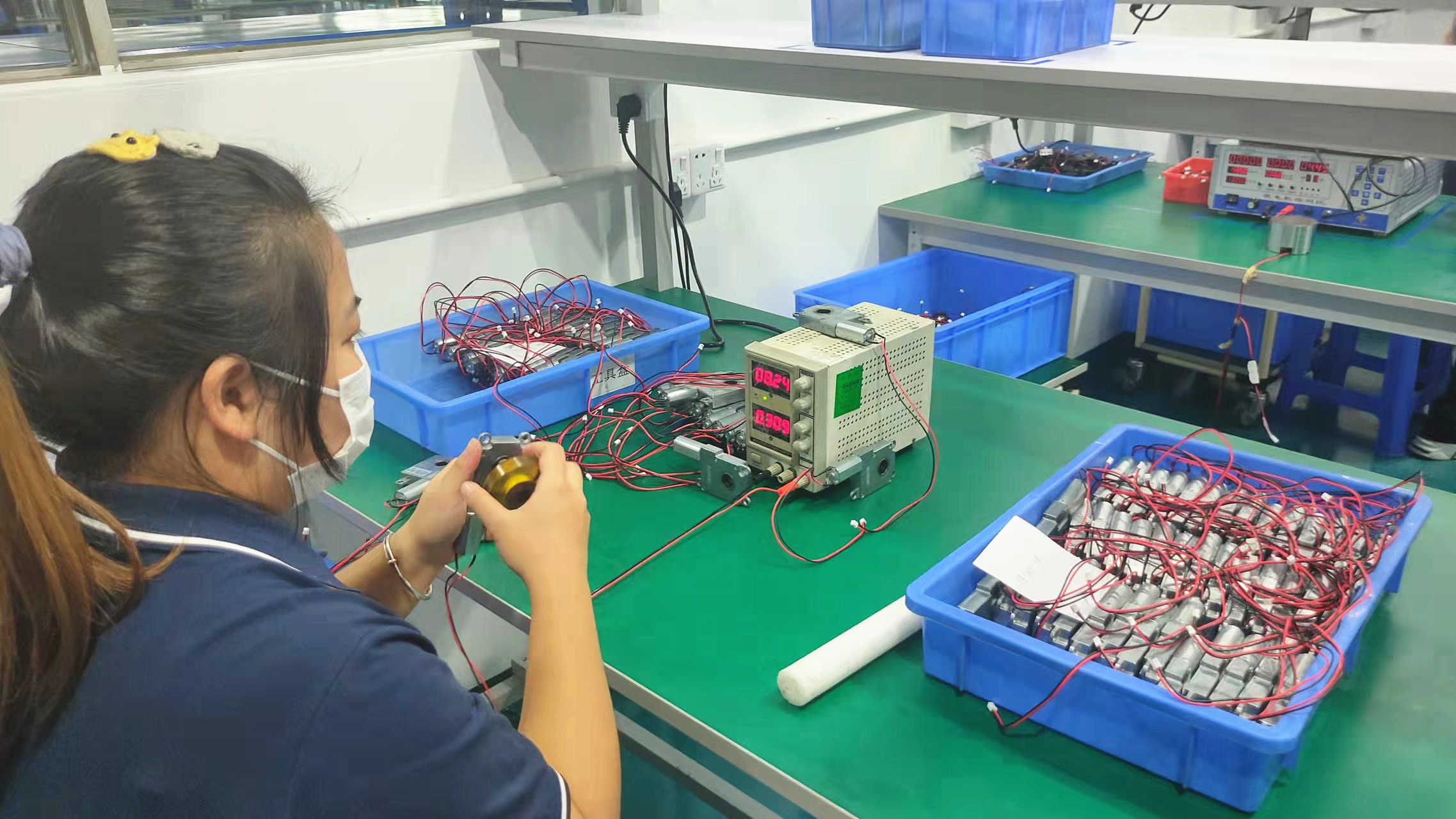
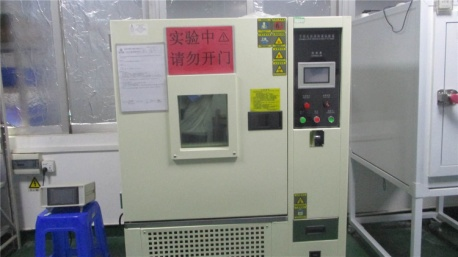
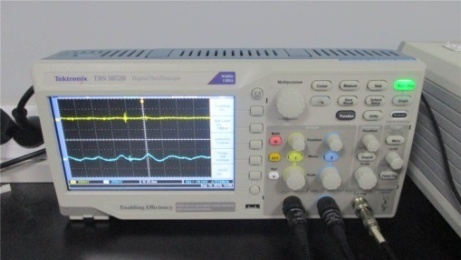
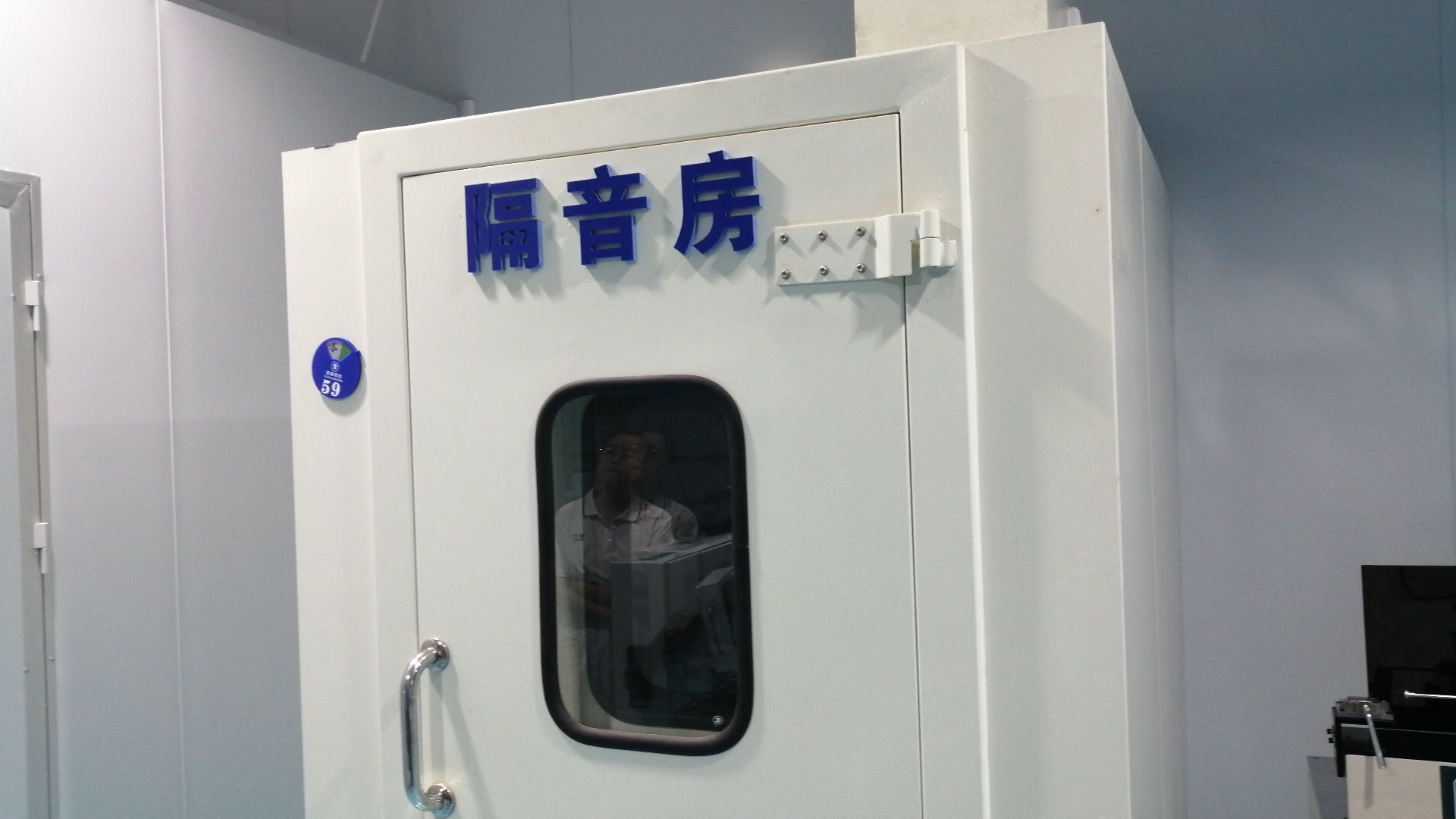
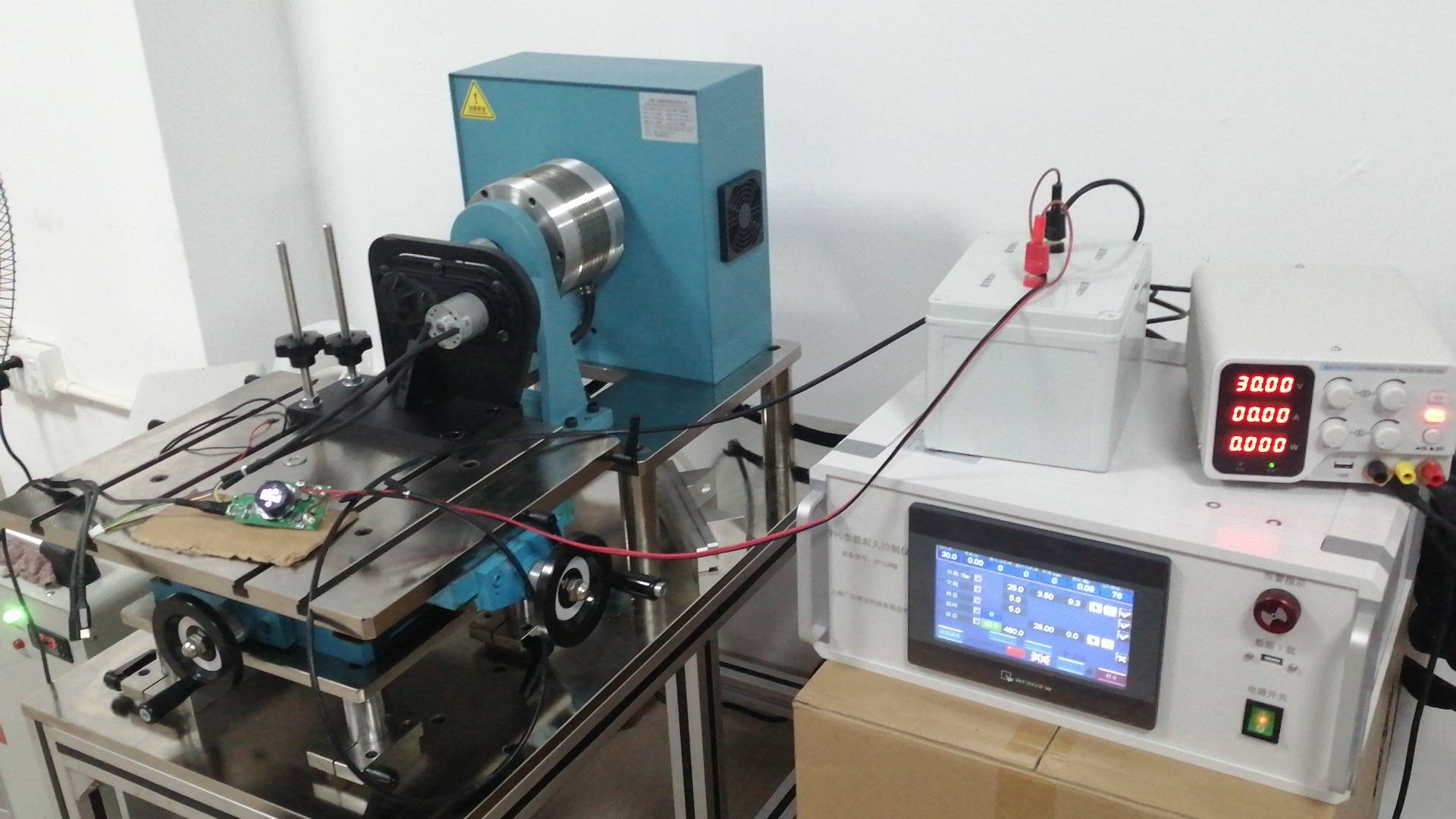
Deploying high-torque micro stepper and gear systems across industrial ecosystems
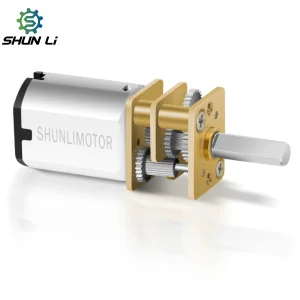
Micro stepper platforms (such as the 15mm series) provide silent, low-vibration actuation for motorized security locks, HVAC air dampers, motorized blinds, and smart appliance valves, requiring minimal battery drain and maximum torque output.
Clinical infusion pumps, liquid handling pipettes, and scanners rely on stepper motors with high-resolution micro-stepping. The precise step angle allows exact control of flow rates down to micro-liters per second.
Multi-axis articulation requires high holding torque. Integrating gearboxes with stepper configurations enables robotic arms and positioning stages to lock structural loads without suffering from positioning drift.
Developing motion solutions for future thermal and volumetric challenges
| Technology Phase | Engineering Development Focus | Primary Industry Drivers | Performance Target |
|---|---|---|---|
| Phase 1: Closed-Loop Integration | Embedding compact magnetic or optical encoders into the rear stepper housing to prevent step loss. | Additive Manufacturing (3D Printing), CNC Mill Routers, Semiconductor Handling. | Zero step loss up to 3000 RPM. |
| Phase 2: Ultra-Silent Driver Pairing | Aligning stator impedance with TMC SilentStepStick chop technology. | Smart Office HVAC, Medical Pumps, Camera Pan-Tilts. | Noise emission levels < 28 dB(A) at 1 meter. |
| Phase 3: Thermal Resilience | Class H resin encapsulation with hybrid stator laminations. | Automotive Actuators, Industrial Boiler Feeders. | Stable operational cycles up to 180°C. |
Ensuring supply-chain business continuity and alignment with environmental standards
Navigating global logistics and industrial regulations requires a manufacturing partner with deep compliance verification experience. Our factory operations strictly align with international standards to ensure frictionless import and certification cycles:
Our engineering team can customize:
Technical explanations for engineers and buyers on stepper motor performance
Bipolar stepper motors have one winding per phase without a center tap, requiring an H-bridge driver to reverse the current flow. Unipolar motors use a center-tapped winding, which simplifies the driver circuit but utilizes only half of the winding copper at any given time. Bipolar motors offer up to 30% higher torque density for the same envelope size.
A typical hybrid stepper motor has a step accuracy tolerance of ±5% non-cumulative. Under load, step error can trigger mechanical resonance (typically between 50-150 steps/second). Precision factory alignment of the rotor/stator teeth minimizes this error and reduces resonance, particularly when paired with micro-stepping motor drivers.
DC gear motors and BLDC motors require high-resolution rotary encoders and active closed-loop controllers to hold position. Stepper motors are naturally open-loop positioning devices that can hold their position securely without sensor feedback, making them a cost-effective choice for point-to-point positioning systems.
Lower winding resistance and inductance allow the drive current to rise more quickly in the stator coils, which improves high-speed torque performance. Conversely, higher resistance windings are ideal for low-speed, low-current applications where power efficiency is a priority.
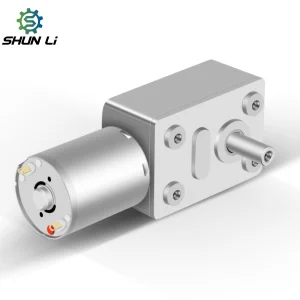
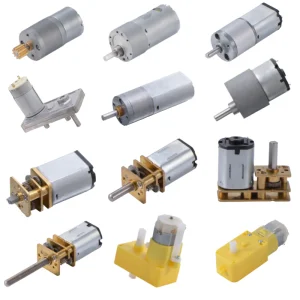
Explore our full range of planetary, worm gear, and high-torque mini DC motors