Zonix Motor
Zonix Motor
Zonix Motor
Explore our technical portfolio of high-torque fractional horsepower motors, miniature step actuators, and custom-ratio gearheads designed for critical engineering applications.
At Zonix Motor, we master the physics of rotation to power the technologies of tomorrow. As a premier certified manufacturer specializing in high-performance Micro DC Motors, DC Gear Motors, and Brushless DC Motors (BLDC), we have spent two decades engineering miniature motion solutions where high torque, silent acoustics, and enduring lifespans intersect.
Operating from our state-of-the-art, ISO9001-certified manufacturing facility, Zonix Motor bridges the gap between China’s world-class supply chain efficiency and international engineering rigor. Our compact micro-drives are trusted globally by product designers and R&D engineers in smart home automation, medical equipment, automotive electronics, and precision robotics—performing flawlessly under strict space and load constraints.
We don’t believe in one-size-fits-all hardware. Zonix Motor thrives on flexible OEM/ODM custom engineering. Backed by an elite in-house technical team holding multiple motor-tech patents, we offer rapid prototyping and seamless technical support. From specialized gear ratios and custom shaft configurations to precise voltage tuning, we design the silent, robust vortex that drives your product's success.

The transition toward smart manufacturing and decarbonization has repositioned the fractional horsepower (FHP) motor industry. As international efficiency frameworks (such as IEC 60034-30-1 and the U.S. NEMA standards) tighten, variable speed motors have transitioned from premium niche options to foundational components. Modern architectures require real-time velocity and torque adaptations to optimize system efficiencies in volatile operation conditions.
Key commercial drivers shaping the global landscape include:
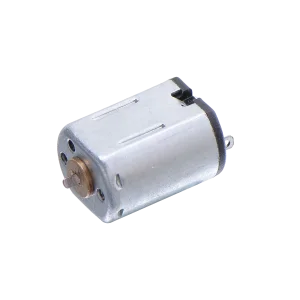
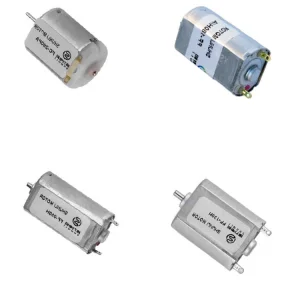
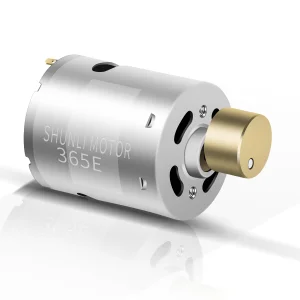
Characterized by mechanical commutation via graphite/noble metal brushes contacting a segmented copper commutator. Ideal for cost-sensitive applications requiring simplified drive electronics, fast starting torque, and linear voltage-to-speed curves.
Leverages electronic commutation utilizing solid-state driver circuits and Hall-effect sensor feedback to cycle coils. Eliminates brush friction, generating higher efficiencies, minimal electrical noise, and operating lifetimes exceeding 10,000 hours.
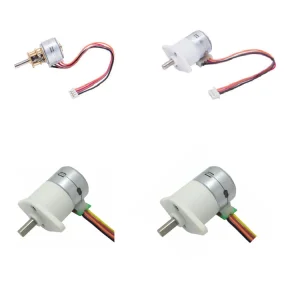
Converts digital electrical pulses into precise mechanical angular increments. By positioning the rotor in discrete steps, it offers excellent open-loop position control and high holding torque, suitable for printing, optical scanning, and camera focus rings.
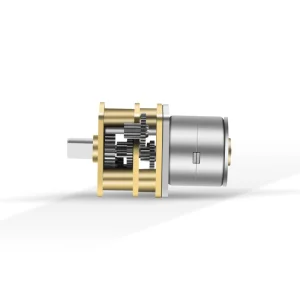
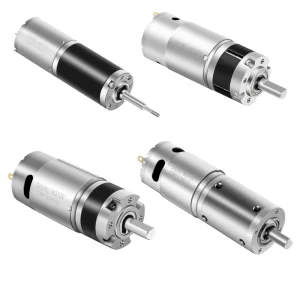
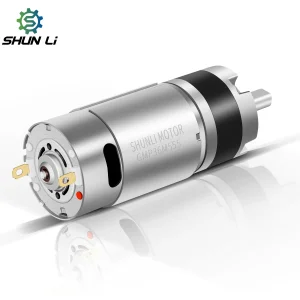
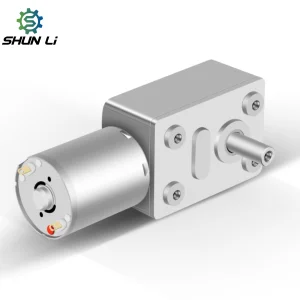
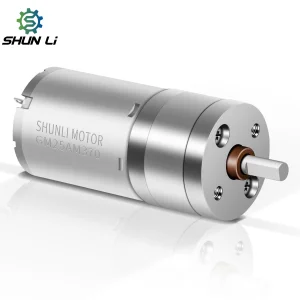
Combines high-speed micro-drives with precision planetary, spur, or worm gear reducers. Trade speed for high torque outputs within constrained envelopes. Standard and customizable reduction ratios range from 1:3 to 1:1500+.
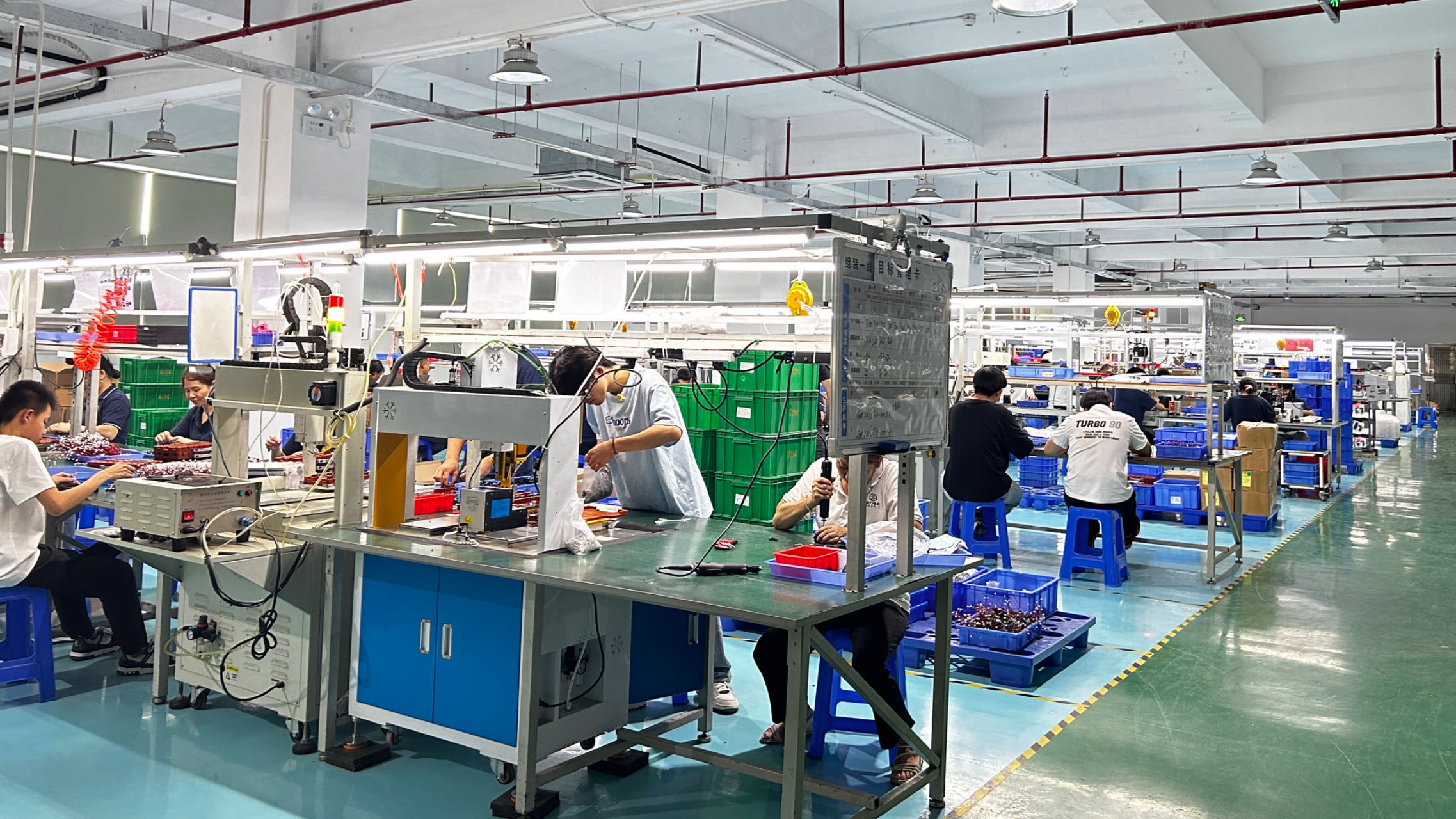
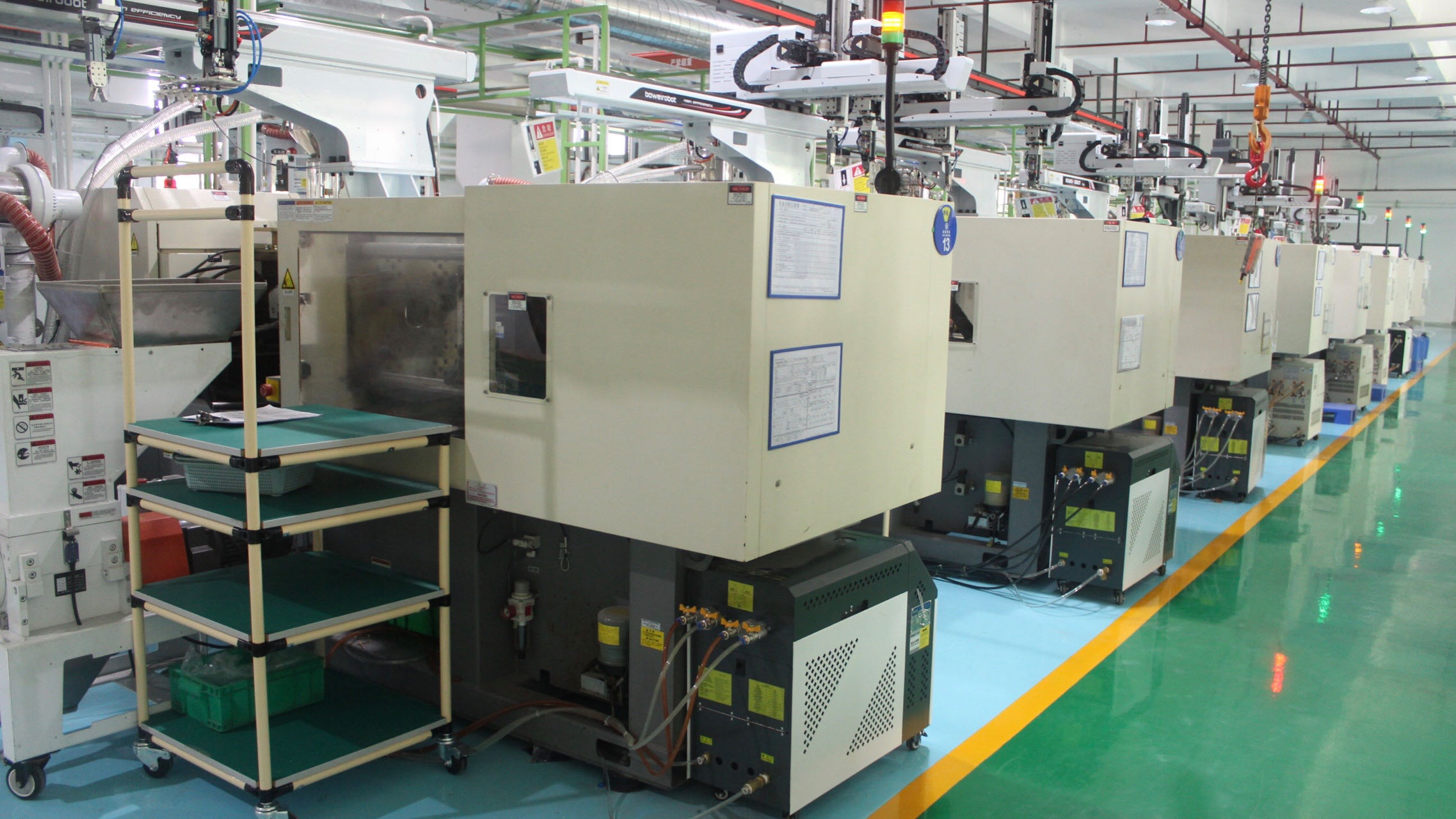
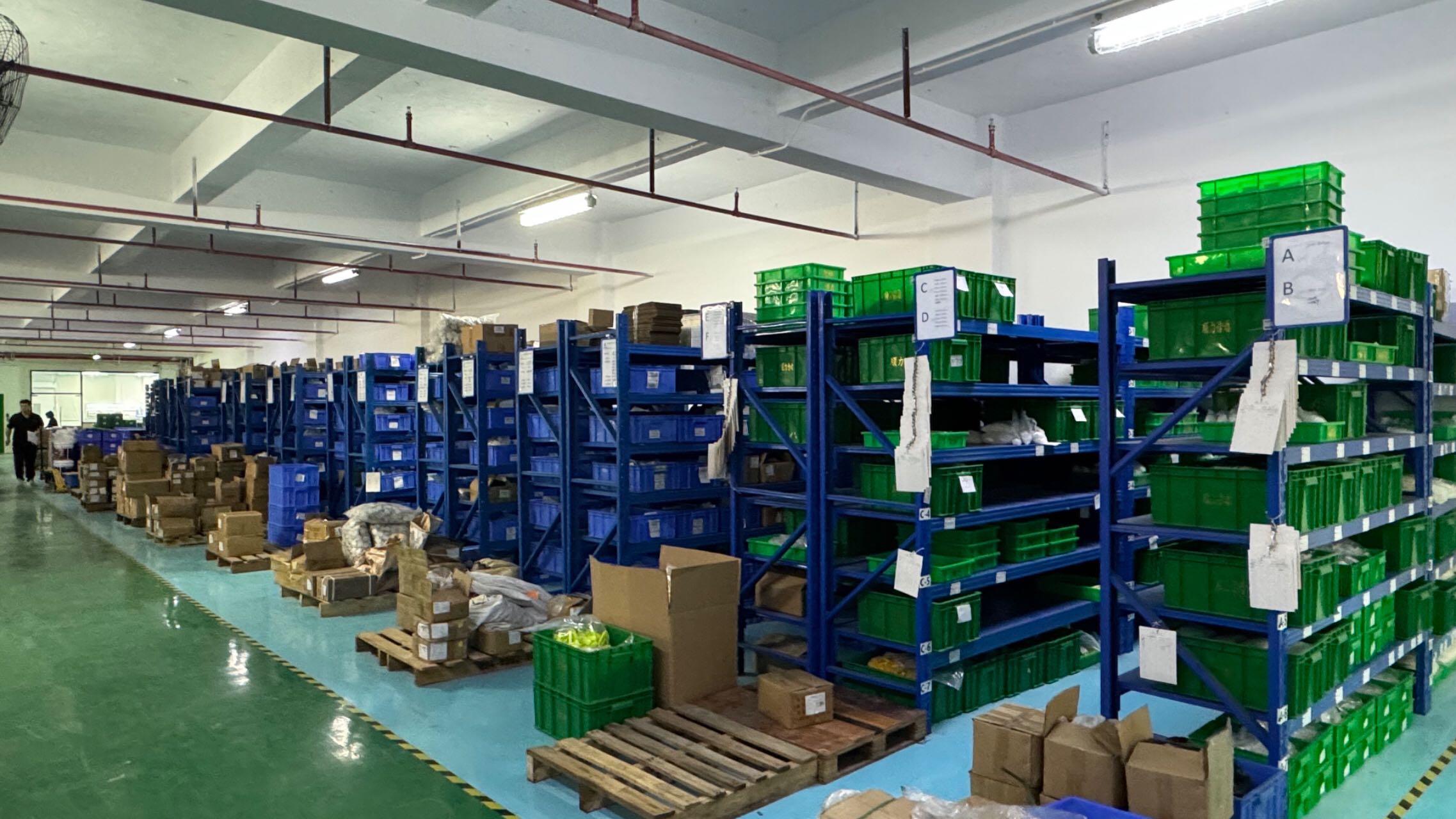
Every micro drive manufactured at Zonix Motor undergoes a strict, structured step-by-step production flow to guarantee that the final assemblies align with the technical drawing tolerances, electromagnetic curves, and thermal requirements of our clients.

Raw Material
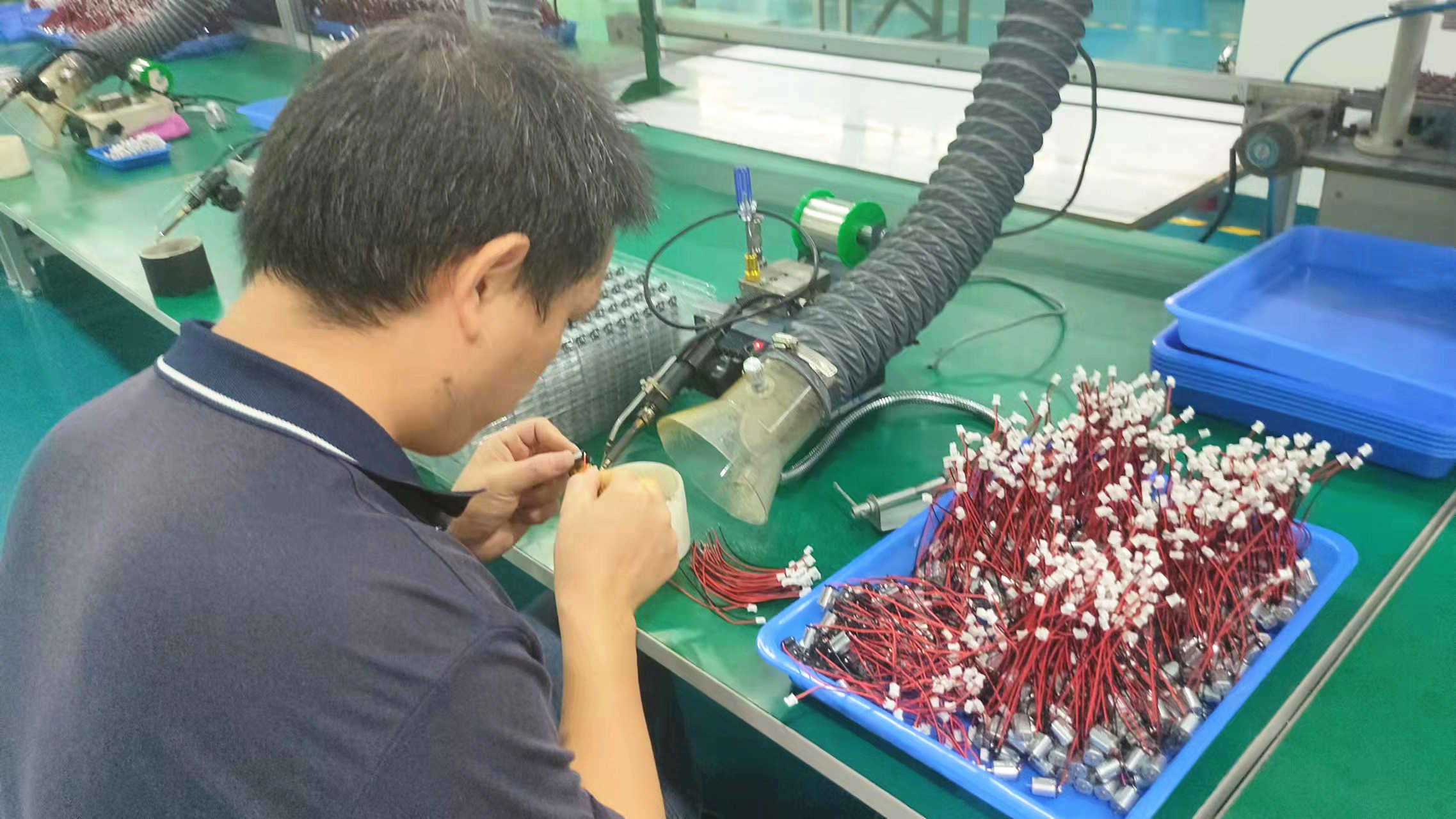
Soldering
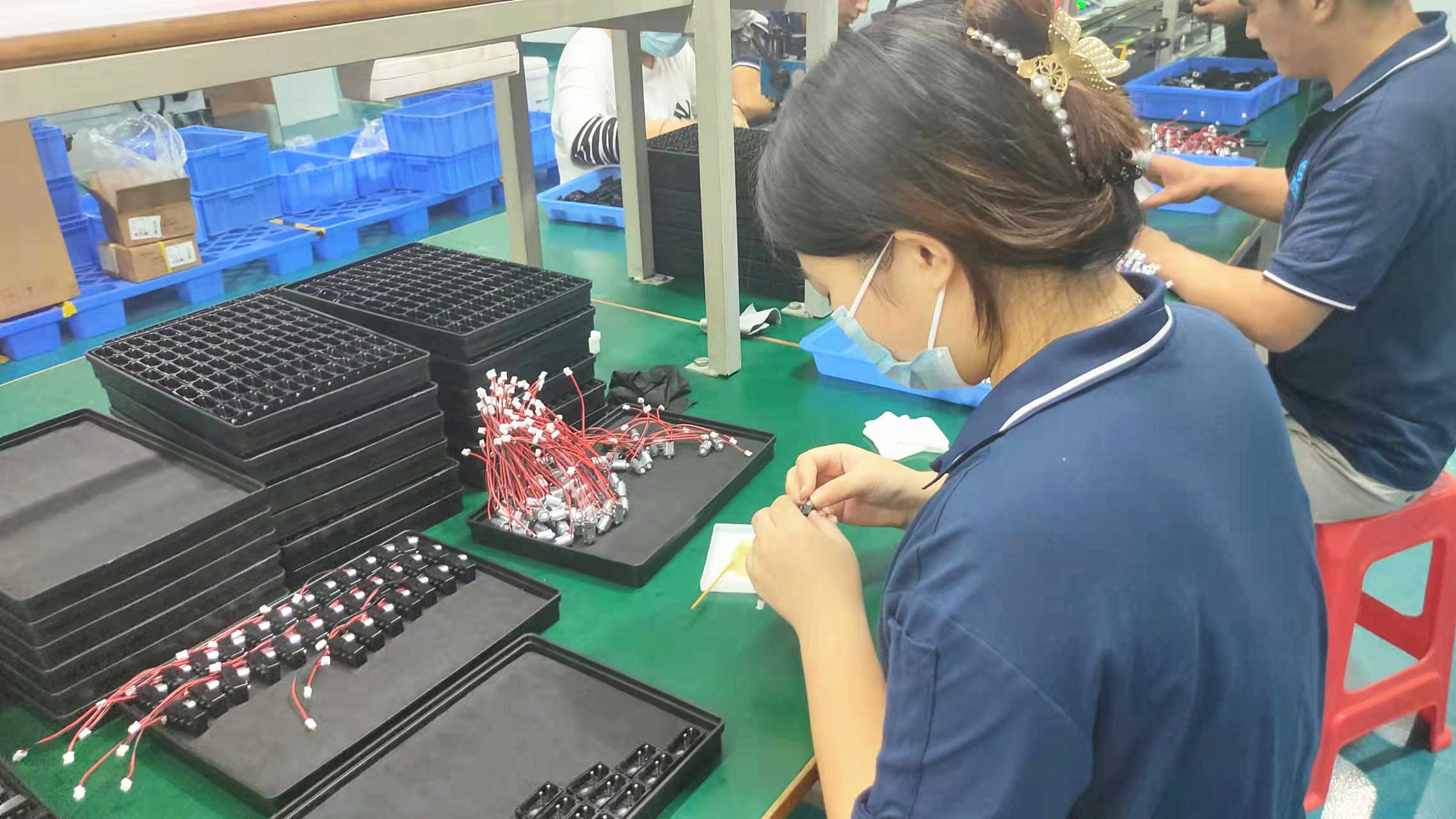
Assembling
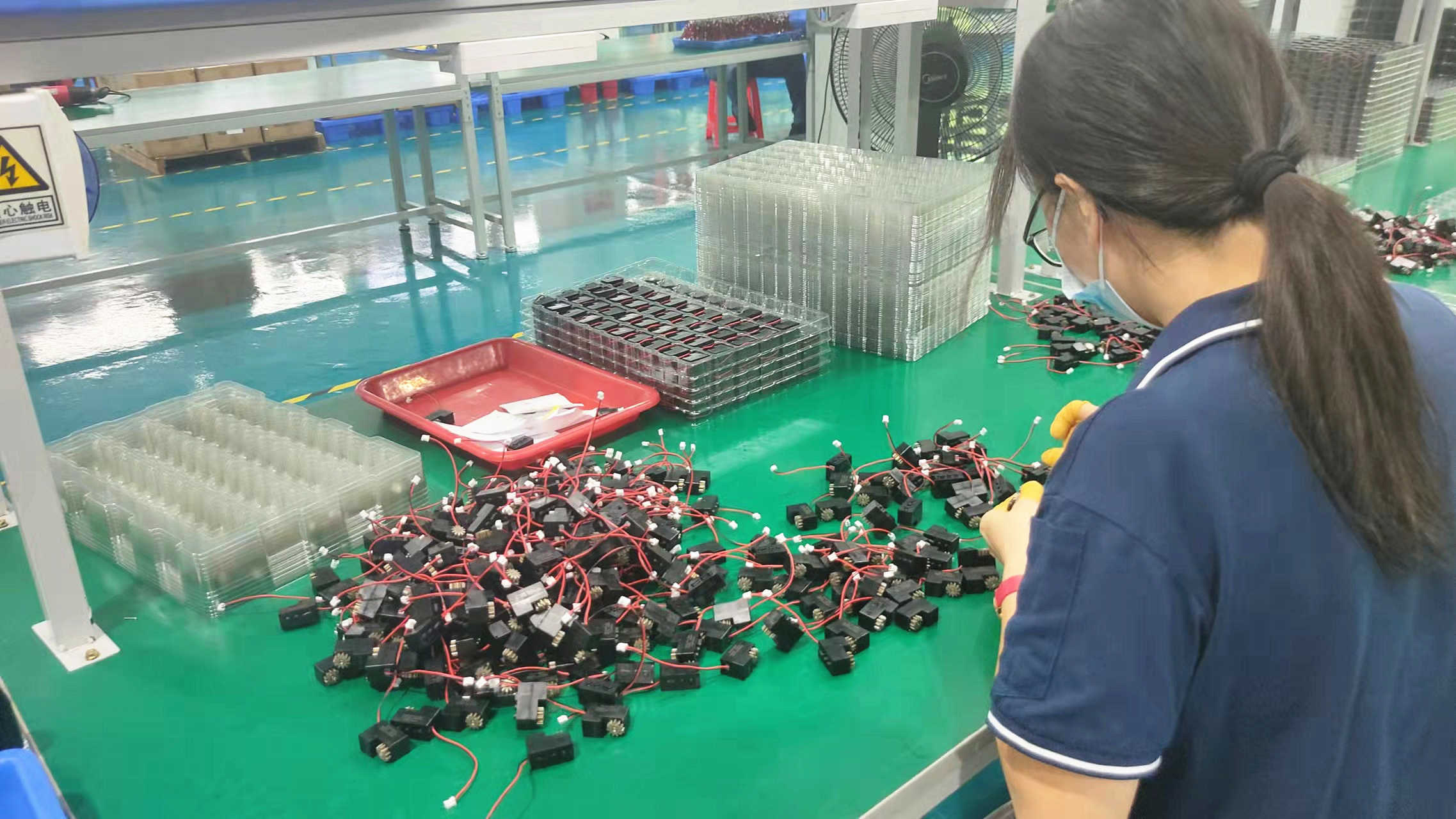
Testing
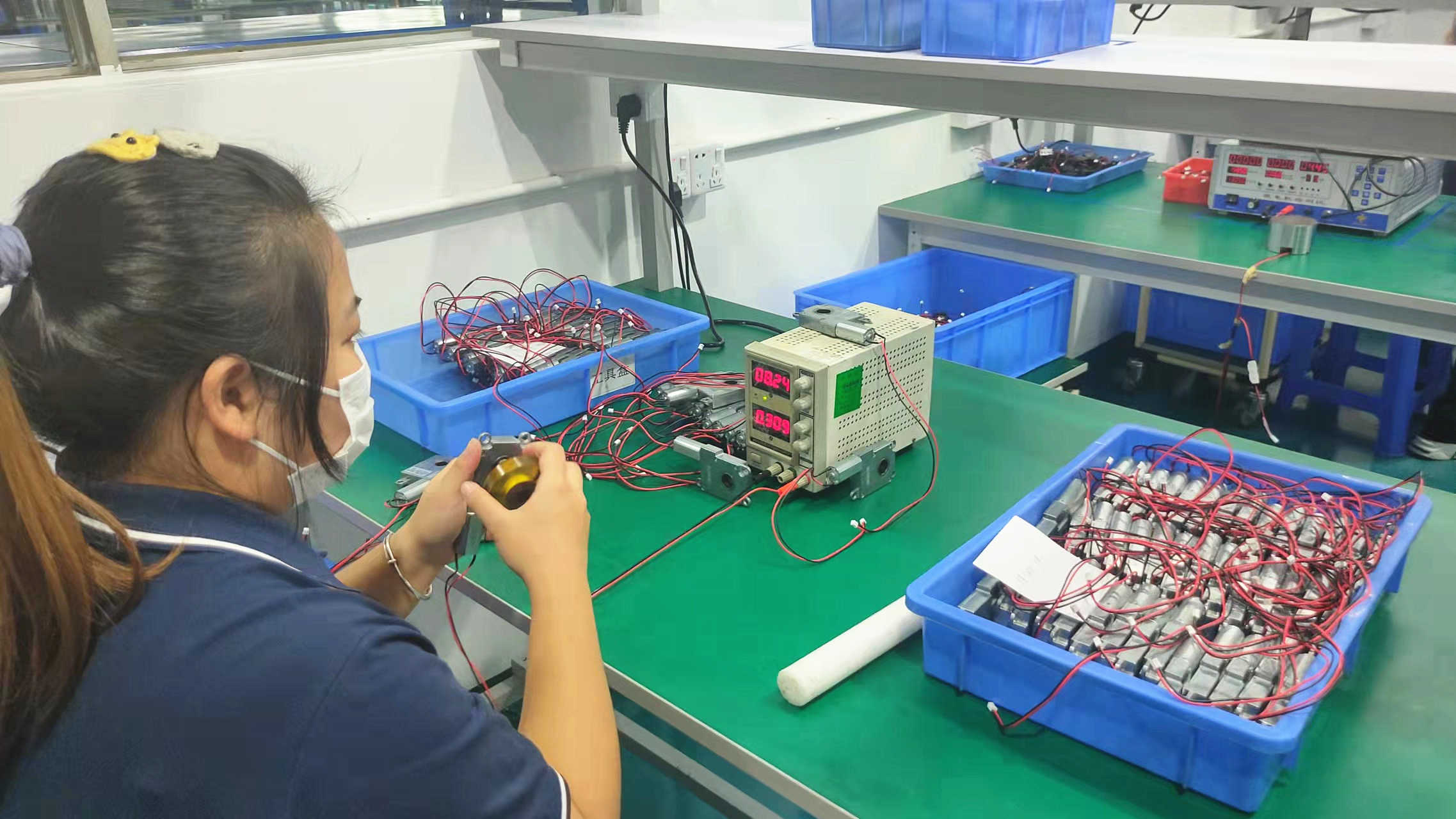
Packing
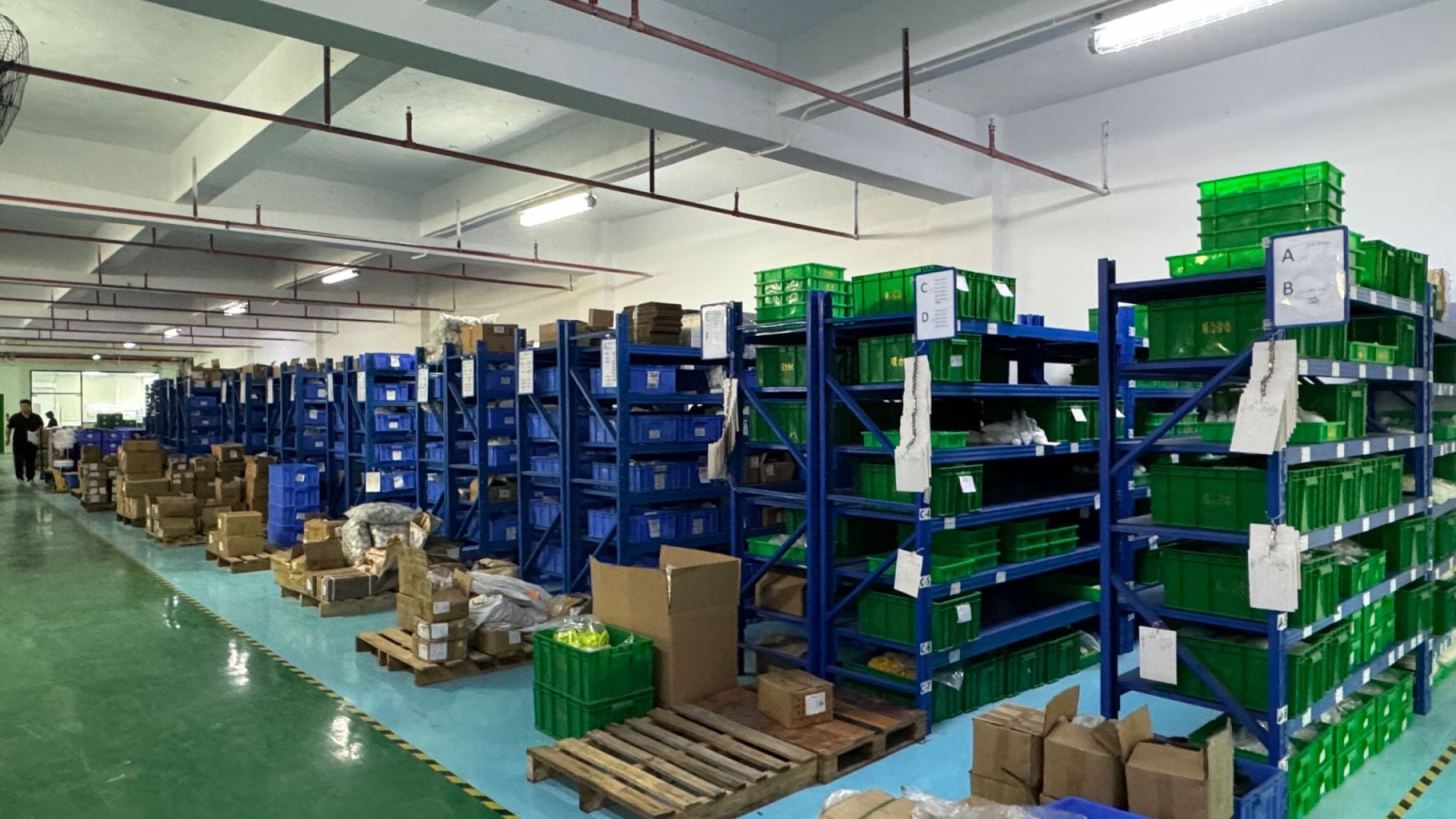
Storage
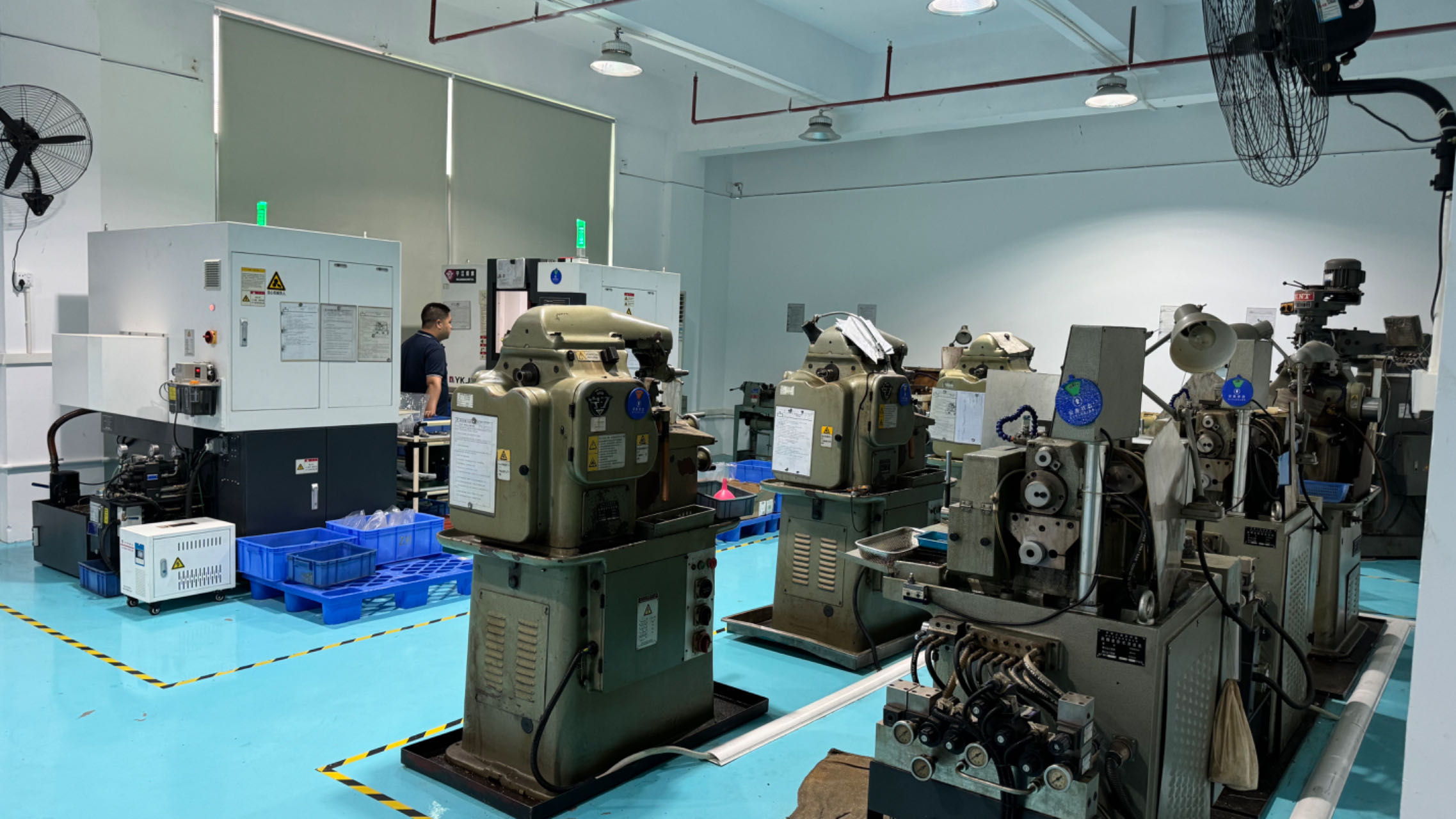
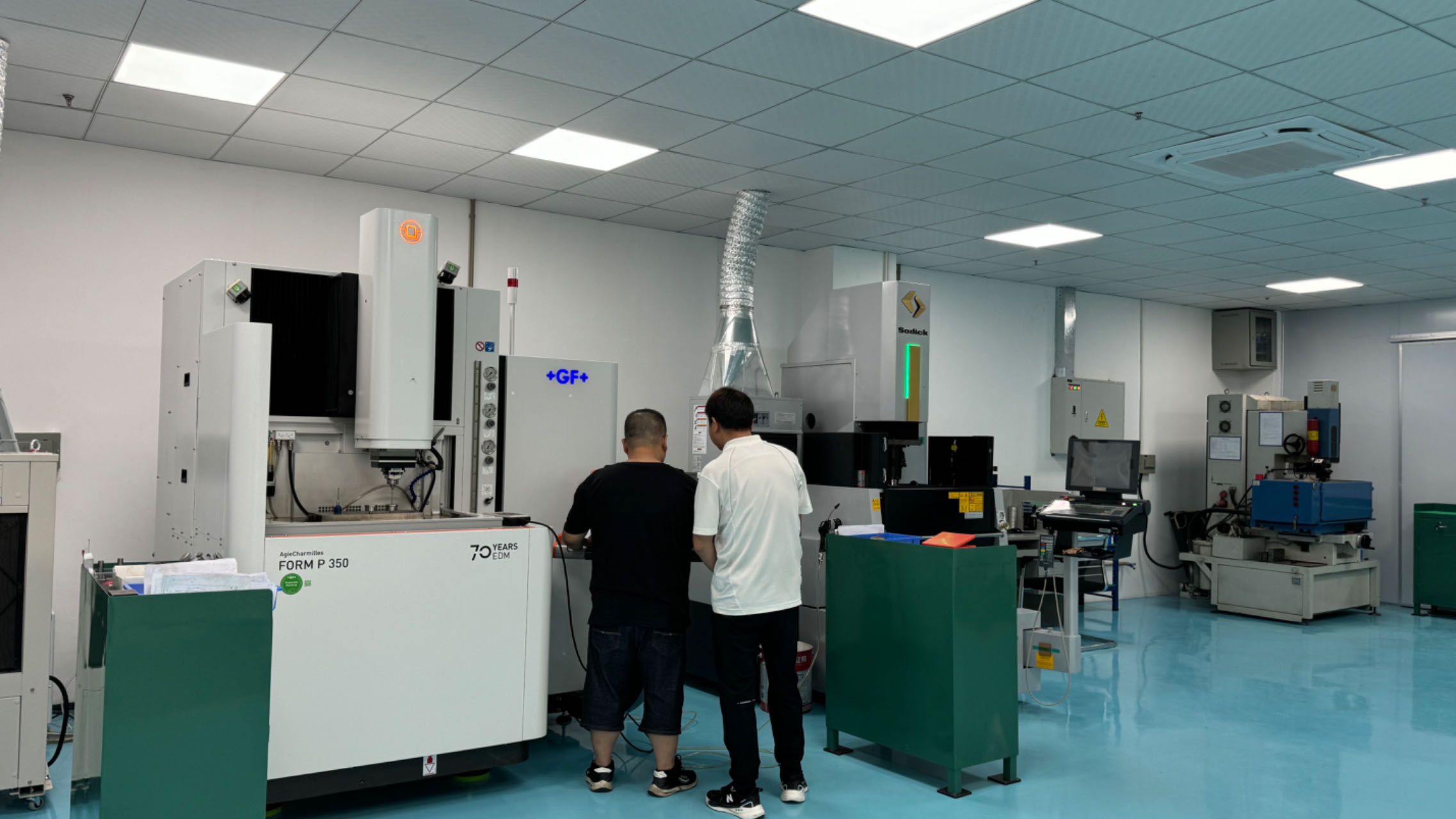
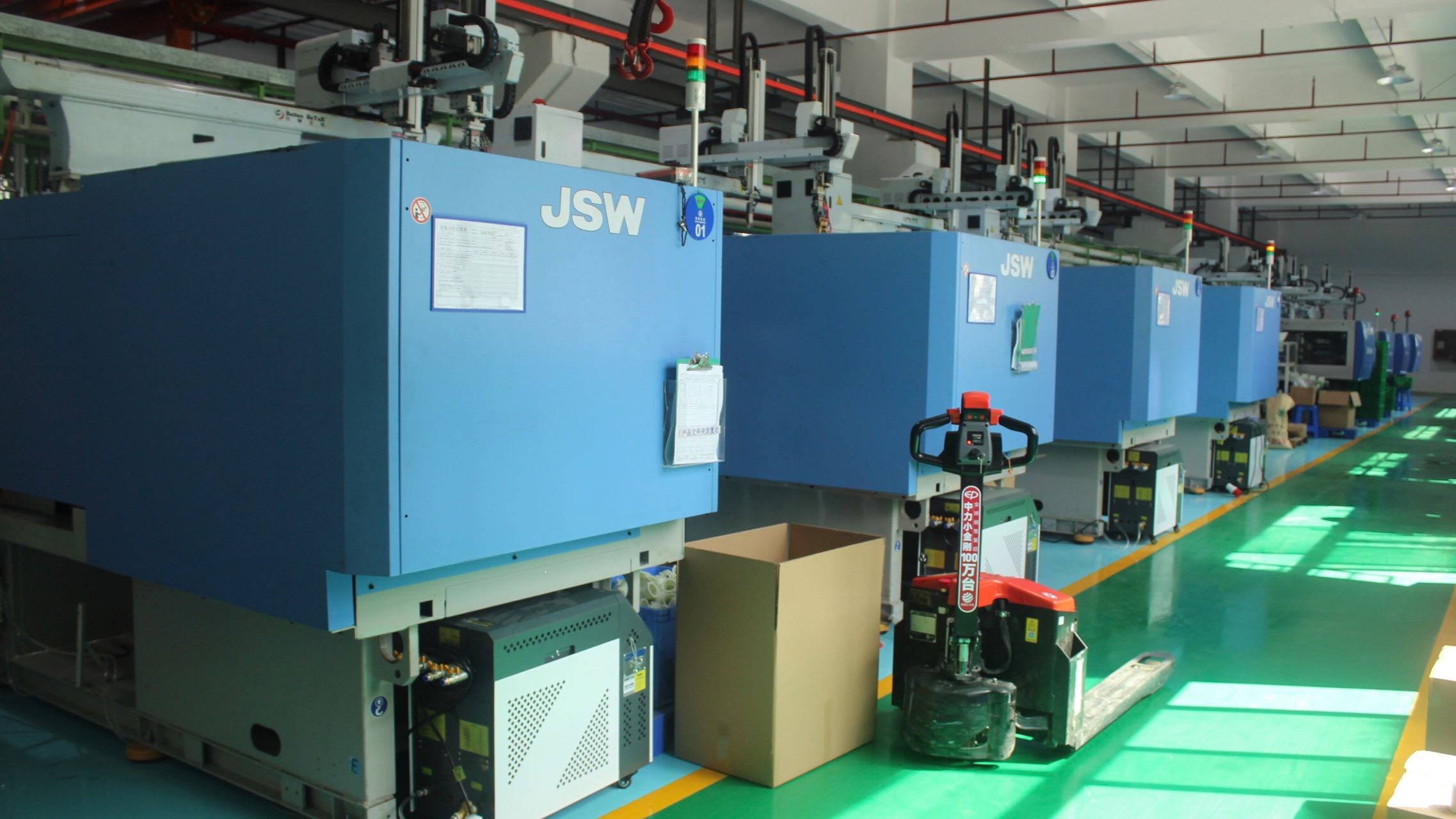
Our precision gear cutting, multi-axis micro lathing, and environmental verification laboratories feature advanced metrological and fabrication machines to ensure component structural integrity and assembly tolerances.
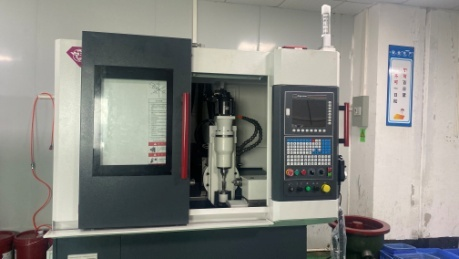
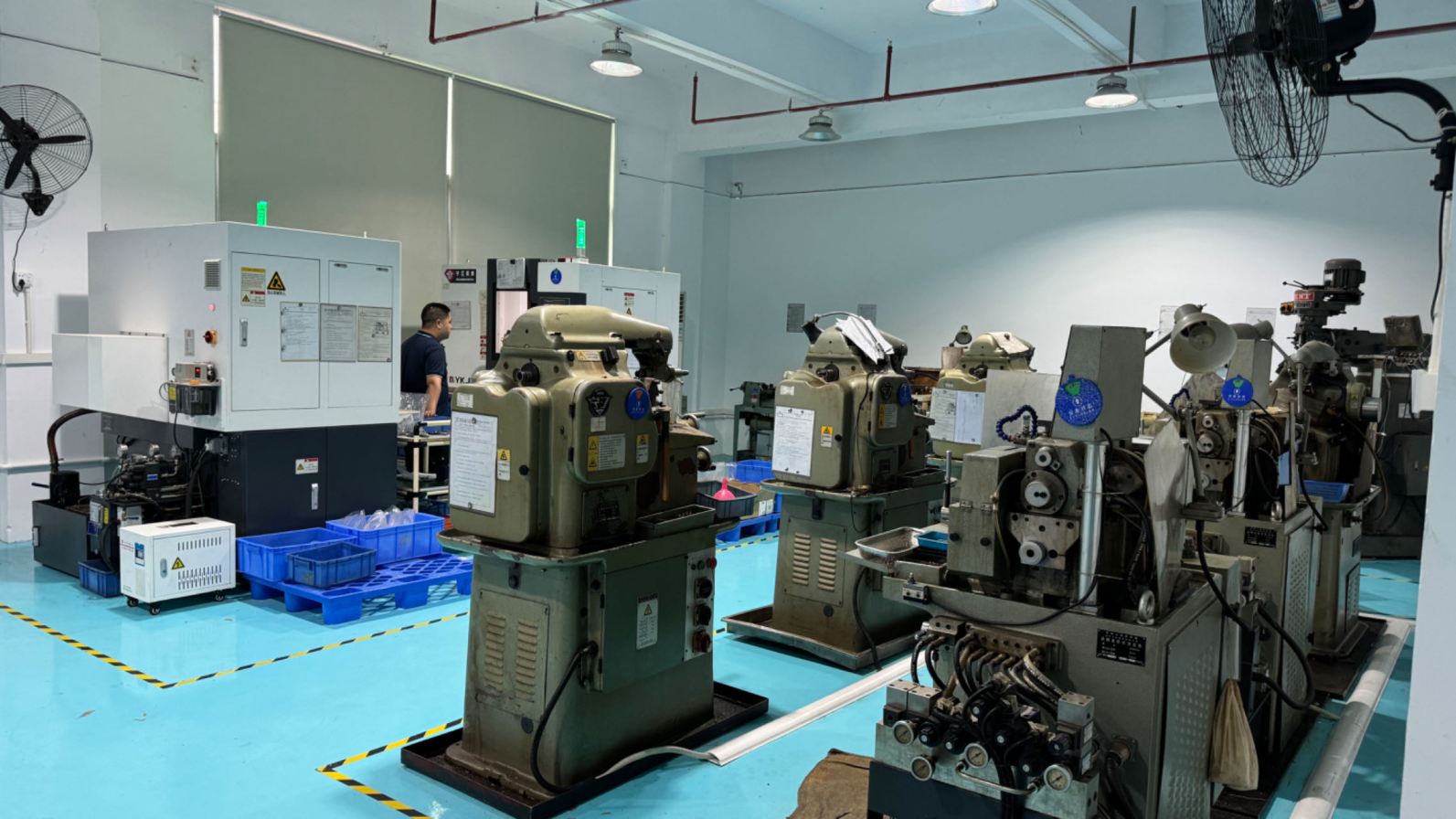
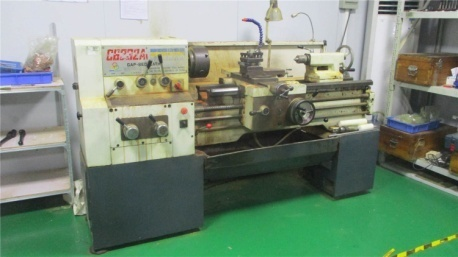
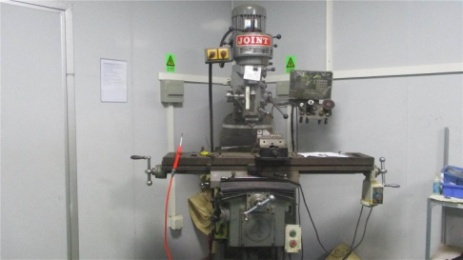
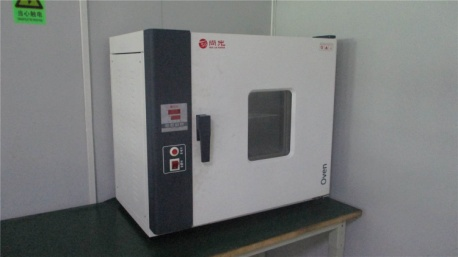
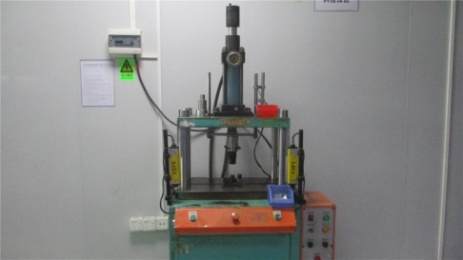
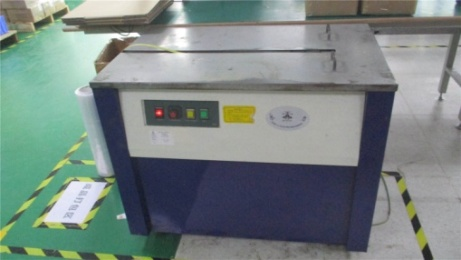
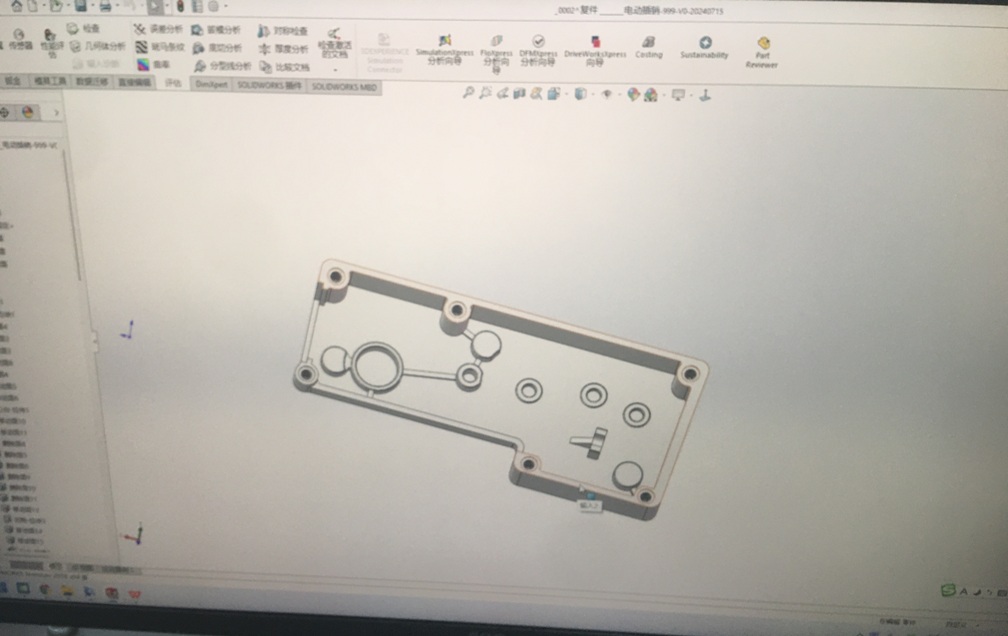
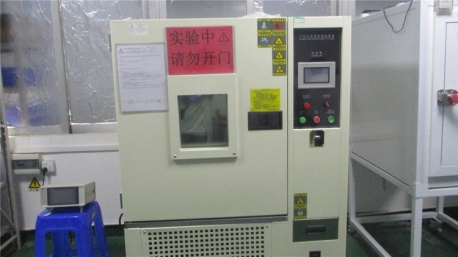
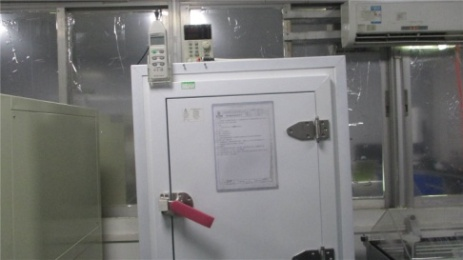
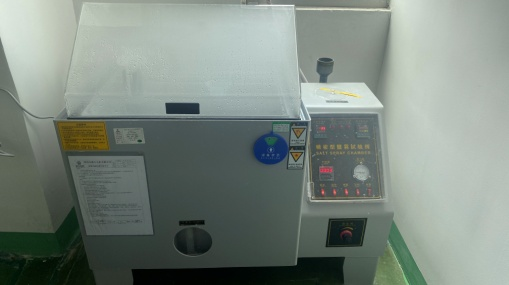
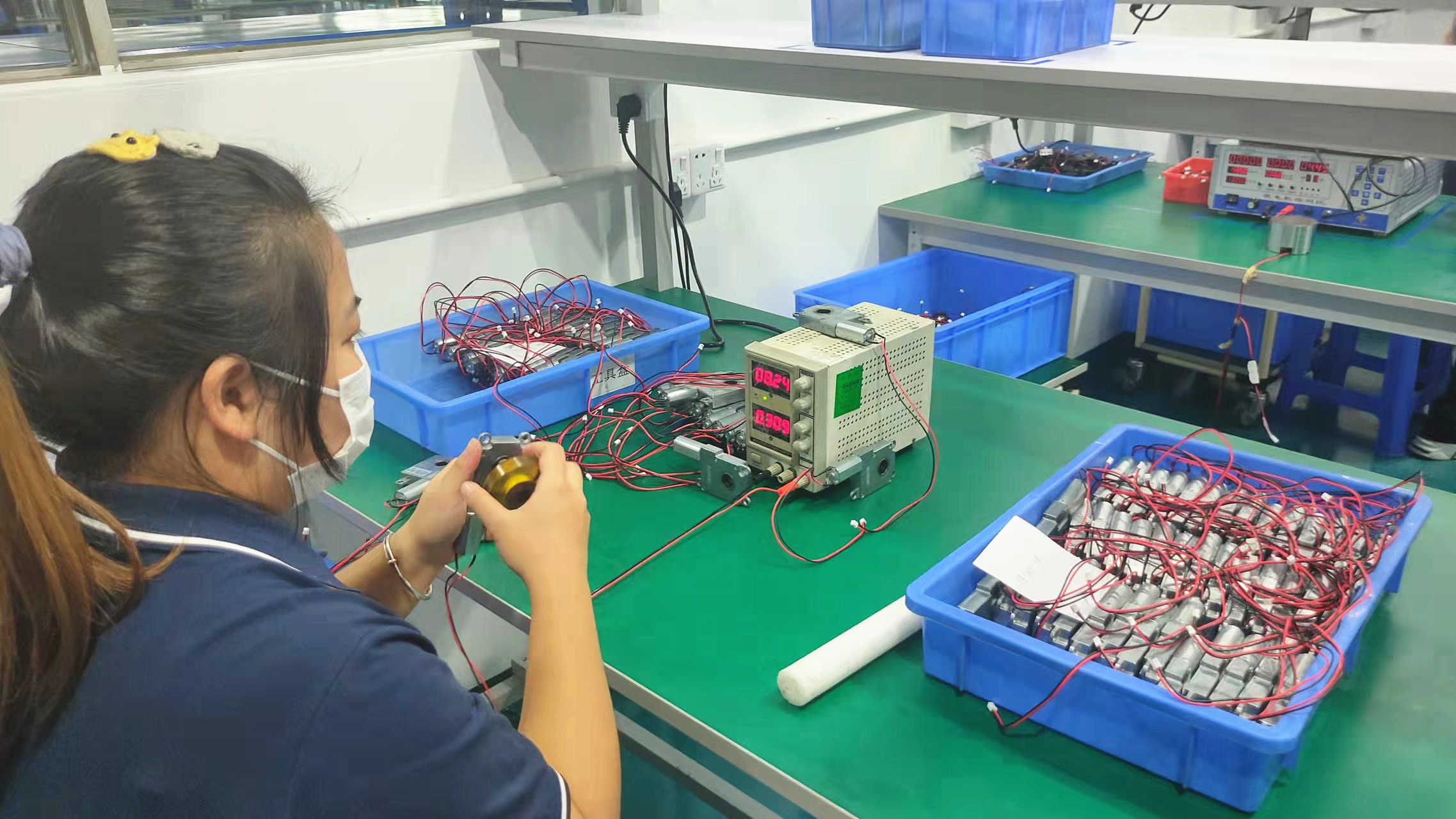
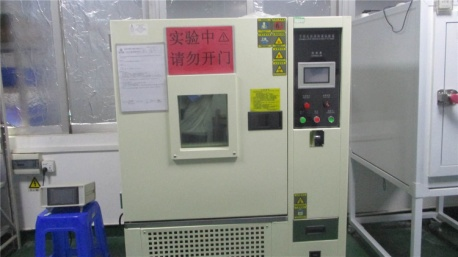
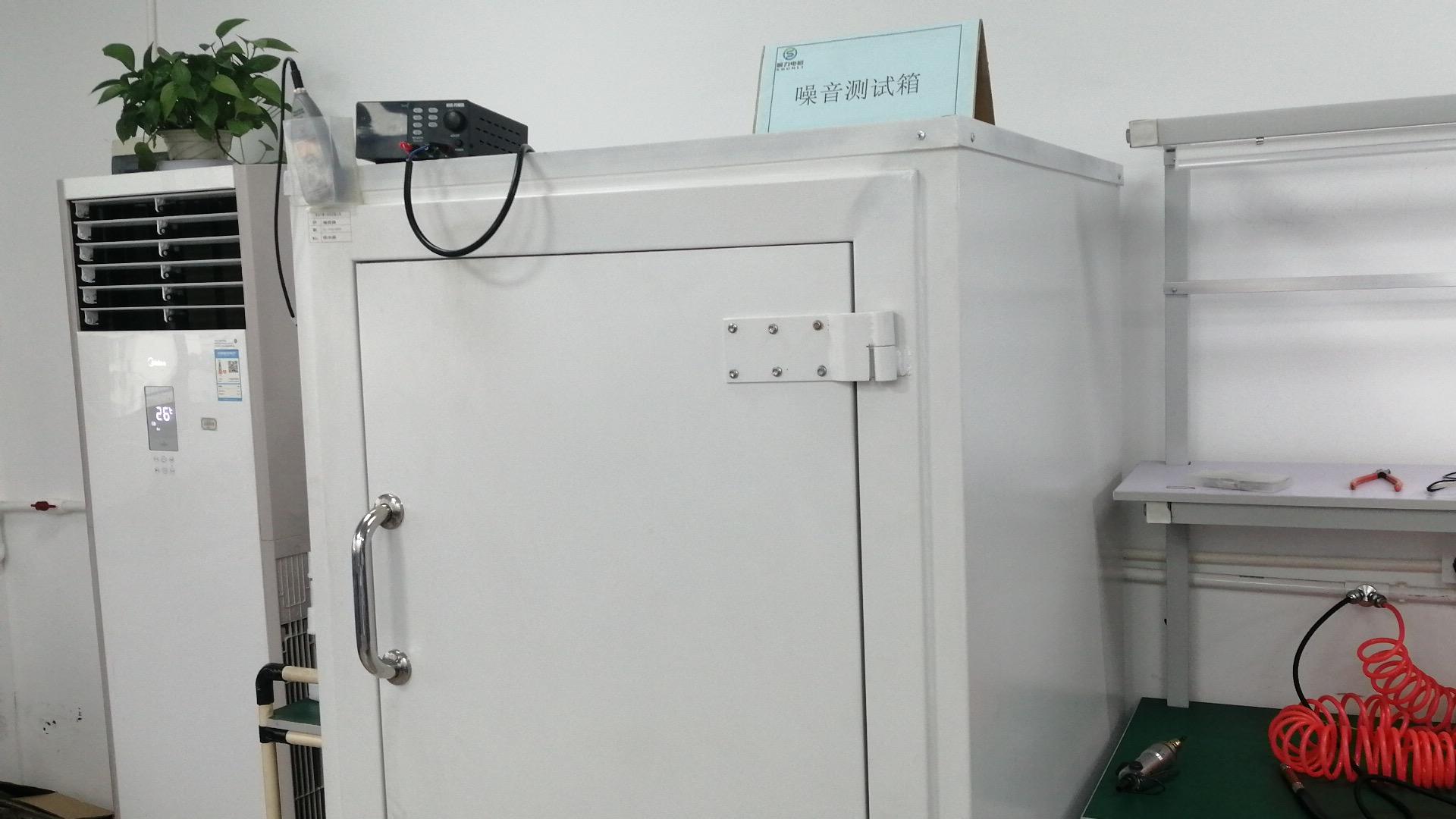
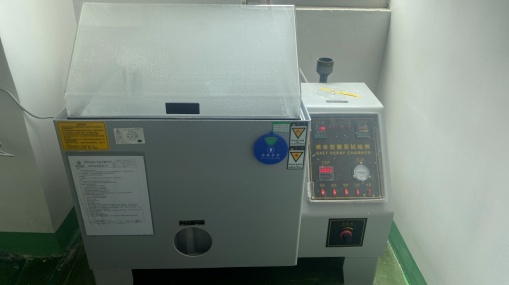
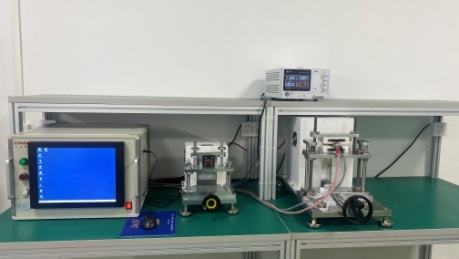
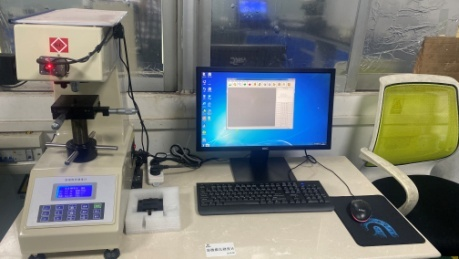
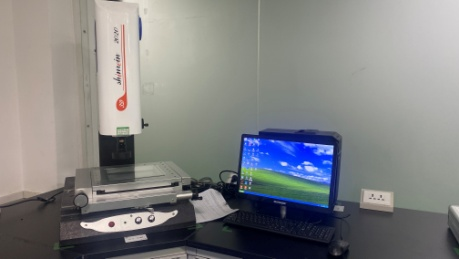
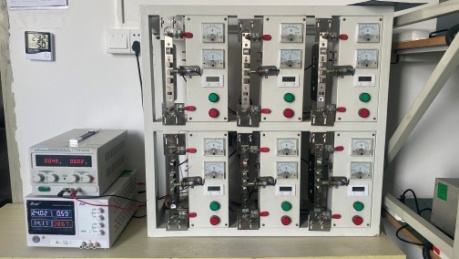
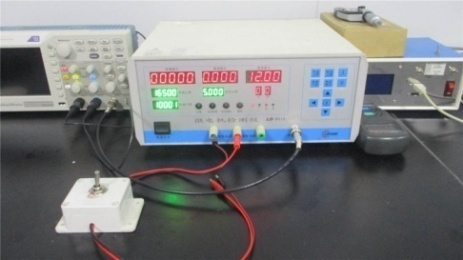
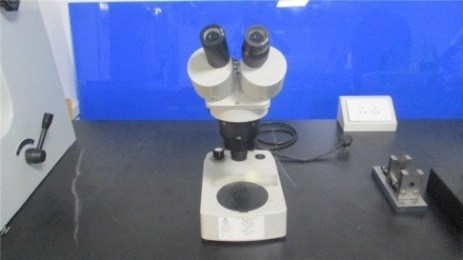
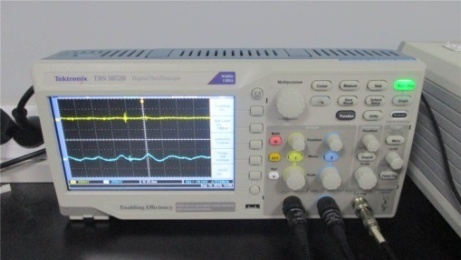
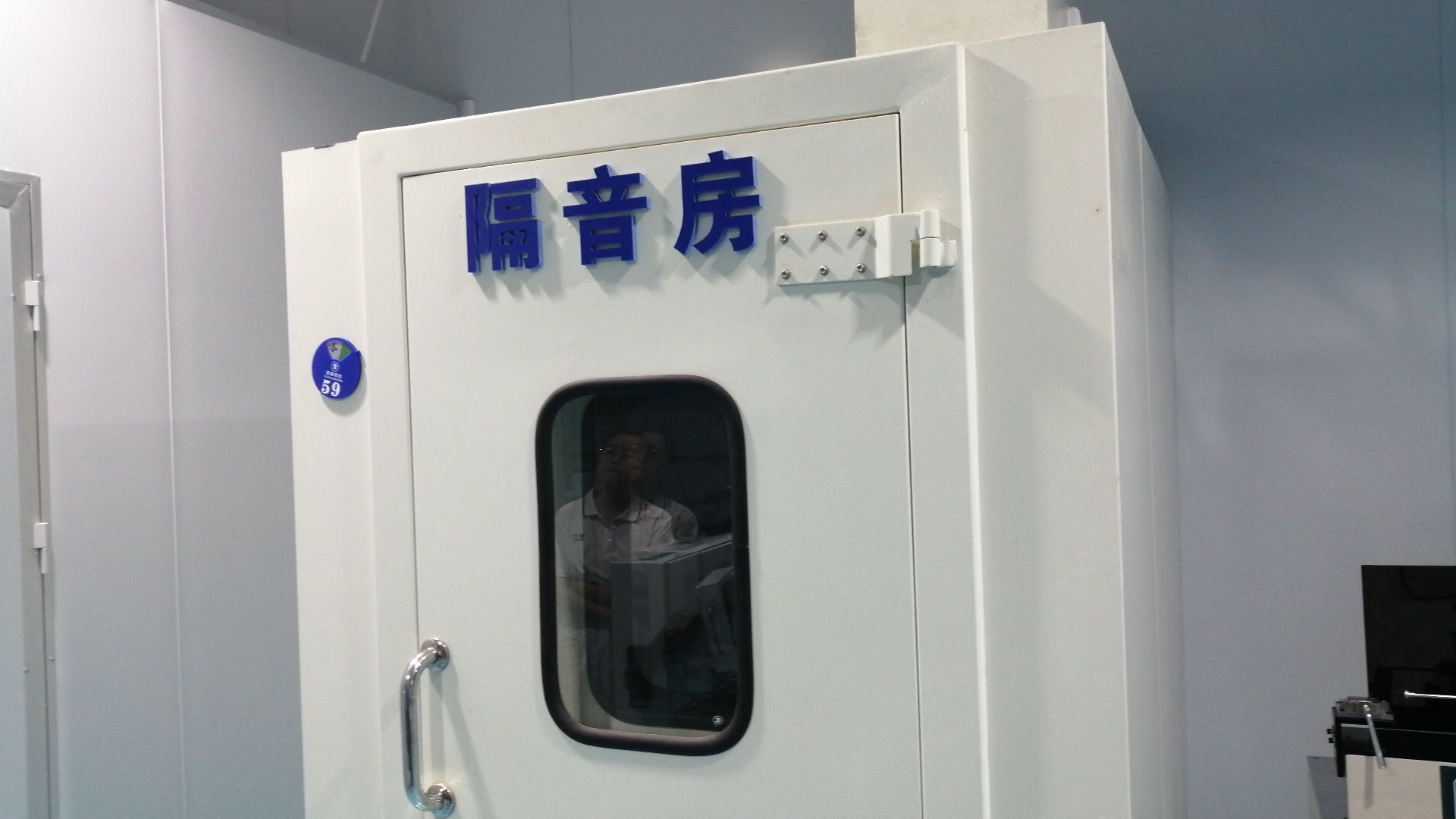
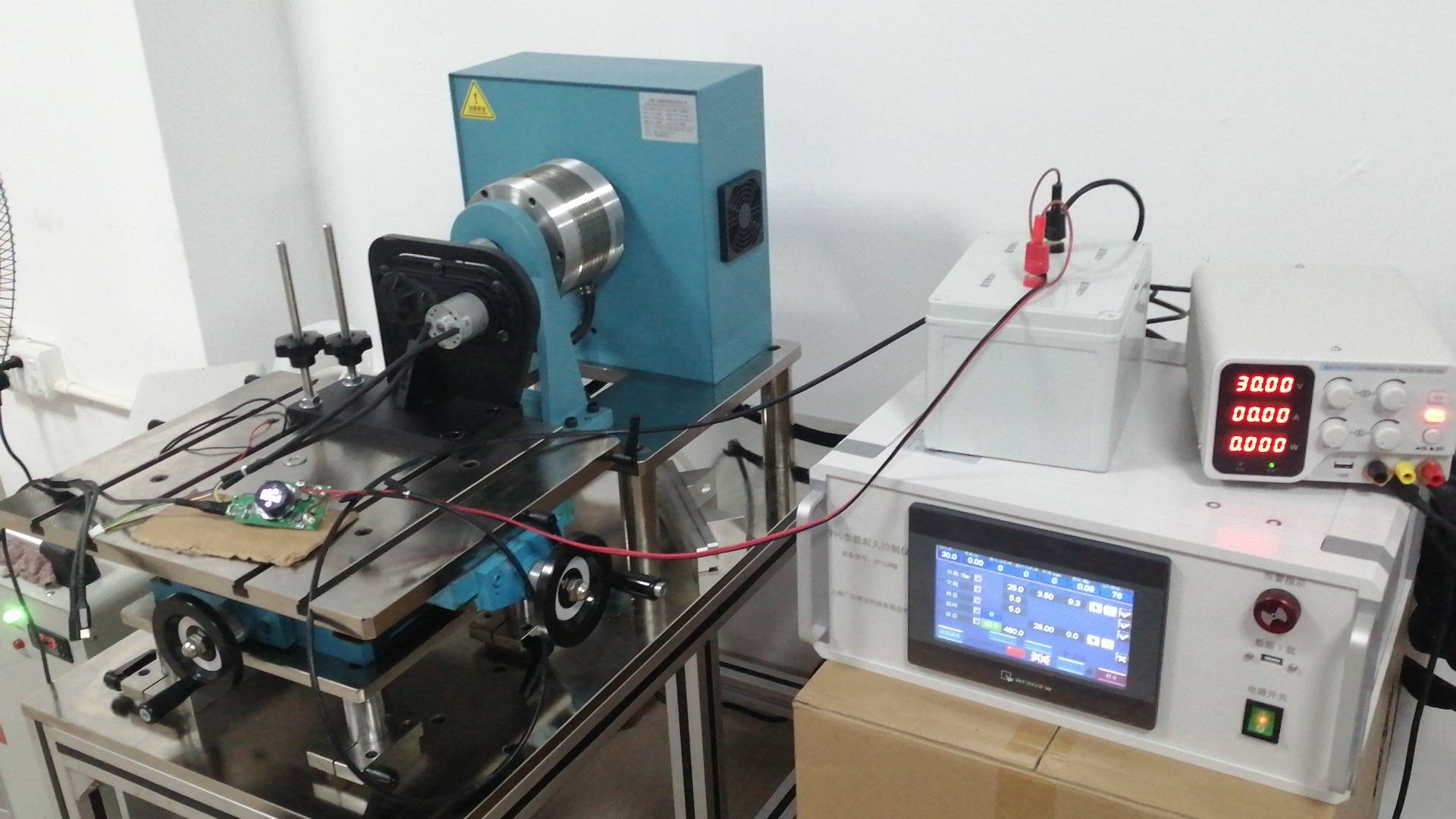
Standard off-the-shelf motors often compromise performance, efficiency, and reliability when integrated into highly optimized mechanical housings. Zonix Motor's engineering department bridges this gap by offering customized design integrations. Our co-engineering development protocol proceeds through four phases:
Defining mechanical interfaces, nominal torque limits, electrical bus voltages (1.5V DC to 230V AC), target operational speed profiles, and thermal limits.
Utilizing electromagnetic finite element method (FEM) software to model flux paths, minimize cogging torque, and calculate gear wear profiles.
Fabricating initial design samples in our dedicated CNC tooling room. Samples undergo dyno testing to map thermal curves and back-EMF constants.
Conducting reliability evaluations—such as salt spray exposure, humidity cycling, and continuous life-cycle runs—prior to automated volume assembly.
Micro-drives must operate under varying environmental stresses and spatial constraints. Our variable speed systems are engineered to resolve challenges in critical industries:
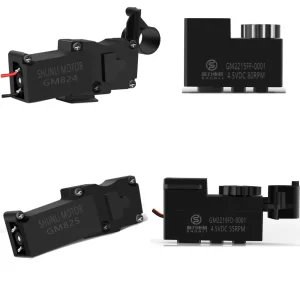
Door locks, curtain motors, and pan-tilt-zoom cameras require low noise outputs (<30 dBA) and battery-conserving standby currents. Our miniature flat brush motors (SFF series) and stepper gear units satisfy these requirements.
Infusion pumps, precision pipettes, and robotic surgery arms depend on positional accuracy and consistent torque delivery. Custom permanent magnet controllers and planetary brushless gearmotors ensure high reliability.
Active aerodynamic shutters, throttle valves, electronic parking brakes, and seat adjusters must function in temperature extremes (-40°C to 125°C) and high-vibration conditions, verified by salt-spray and thermal shock testing.
To align with global industrial needs, our R&D roadmap focuses on three areas:
Integrating microcontrollers that evaluate Back-Electromotive Force (Back-EMF) directly at the drive stage. This eliminates physical Hall sensors, reducing wiring complexity and boosting system reliability in high-vibration environments.
Transitioning motor architectures to use low-dysprosium NdFeB magnets and high-flux ferrite formulations. This minimizes dependence on supply-critical raw materials while meeting the torque density demands of modern machinery.
Designing smart motors with integrated network nodes. These allow multi-axis synchronization and diagnostic reporting directly to PLC controllers, matching the requirements of Industry 4.0 production environments.
Selecting the optimal gear ratio involves balancing output speed (RPM), continuous torque (Nm), and available space. The starting point is mapping the load's speed and torque profile. Gearboxes multiply torque while reducing speed proportionally to the reduction ratio. However, gear friction introduces efficiency losses. For example, spur gearboxes provide 85–90% efficiency per stage but lower torque limits. Planetary gearboxes distribute loads across multiple gears, achieving higher torque density and efficiency (typically 75–85% across three stages) in a compact layout.
Brushless motors utilize electronic commutation, replacing mechanical brushes that wear out over time. This extends their operating lifespan, typically limited only by the ball bearings (often exceeding 15,000 hours). Additionally, BLDC motors generate lower electromagnetic interference (EMI), which is critical for medical devices and sensitive communication electronics. They also offer higher heat dissipation efficiency, as the windings are located on the stator housing, enabling quicker thermal transfer than rotating rotor windings.
Our noise abatement strategy is three-fold: 1. Gear Hobbing Accuracy: We machine our gears on specialized gear-hobbing systems to ensure precise tooth profiles and tooth-to-tooth spacing, reducing structural vibration. 2. Rotor Balancing: Stators and rotors undergo dynamic balancing on precision instruments to prevent high-speed vibration. 3. Optimized Lubrication: We utilize specialized synthetic damping greases that absorb acoustic frequencies and minimize metal-on-metal contact wear inside gearboxes.
We customize output shafts to fit varied assembly requirements. Options include standard round shafts, D-cut faces to prevent hub slip, cross-pinned holes for torque transmission, custom splines, external or internal threads, and hollow shafts for routing cables or fiber optics. We machine shafts from high-tensile carbon steel, SUS303/304 stainless steel, or hardened tool steels based on the mechanical requirements.
Automotive exterior applications (such as active grill shutters and wipers) are exposed to moisture and road salt. Salt spray testing (per ASTM B117 standards) accelerates corrosion to evaluate protective coatings. We use nickel electroplating, black oxide finishes, and passivated stainless steels to shield components. This testing ensures that our housings, shaft seals, and bearings can withstand harsh environments without seizing or experiencing electrical short circuits.
Yes, we design shaded pole and brushless motors for high-temperature applications. These configurations feature Class H (up to 180°C) or Class N (up to 200°C) insulated copper windings, high-temperature synthetic lubricants, and fluororubber (FKM) seals. We also incorporate thermal isolation brackets and cooling impellers to keep the motor's core temperature within safe operating limits.
Below is the continuation of our product catalog. These models feature low voltage draws, flat form factors, high reduction gearboxes, and integrated encoders for diverse mechanical applications.