When considering the right components for your next project, a DC Gear Motor stands out as a reliable choice. According to a recent market report, the global DC motor market is projected to reach $21 billion by 2025, driven by increasing automation in industries such as manufacturing and robotics. This growth highlights the relevance of electric motors in contemporary applications.
DC Gear Motors are particularly valued for their efficiency and versatility. They provide high torque at low speeds, making them ideal for various uses, from small devices to heavy machinery. The American Society of Mechanical Engineers (ASME) notes that using a gear motor can improve overall system performance, helping to optimize energy use. Notably, the reduction in energy consumption is essential, as rising energy costs continue to impact industries worldwide.
However, not all projects benefit equally from a DC Gear Motor. Understanding the specific requirements of your application is crucial. Considerations include load dynamics and operating environment. Reflecting on these aspects can help ensure that the chosen motor meets both performance and reliability standards, addressing potential shortcomings. Thus, evaluating the fit of a DC Gear Motor within your project's context can lead to more informed decisions.
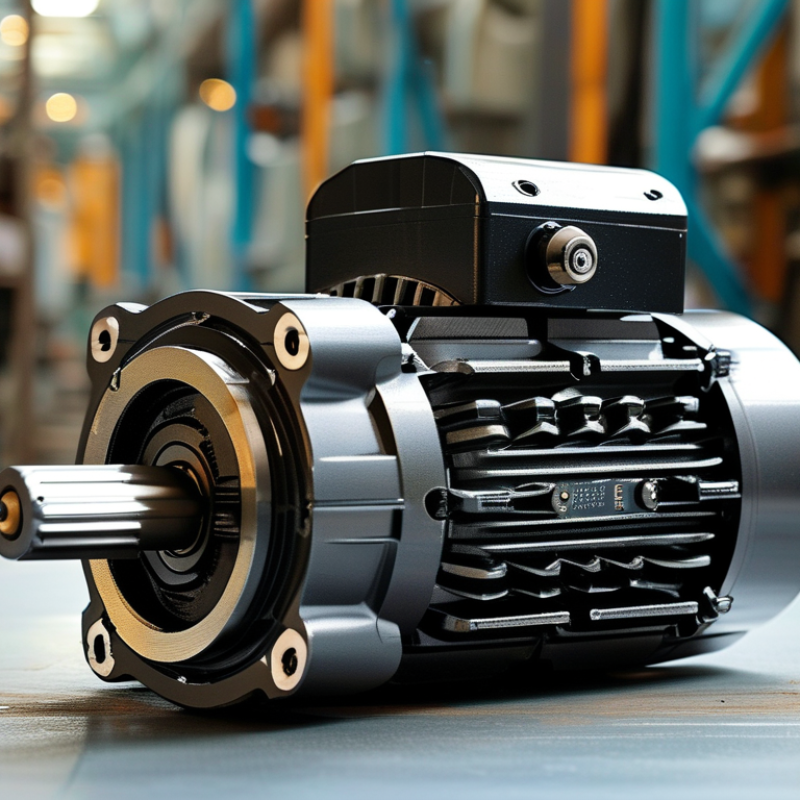
Advantages of DC Gear Motors in Various Applications
DC gear motors are increasingly popular due to their versatility and efficiency in various applications. These motors combine the benefits of direct current (DC) power with the advantages of gear reduction. According to industry reports, DC gear motors can achieve an output torque increase of up to 100 times compared to a standard DC motor. This makes them ideal for applications requiring high torque at low speeds, such as robotics and conveyor systems.
In the industrial arena, DC gear motors can significantly enhance performance. For instance, they operate smoothly and quietly, leading to improved user comfort. A study in the International Journal of Advanced Manufacturing Technology highlights that implementing DC gear motors can reduce noise levels by 50%. This feature is crucial for applications where silence is paramount, such as in medical devices. Moreover, the compact design of these motors allows for easy integration into tight spaces, maximizing workspace efficiency.
However, there are challenges associated with DC gear motors. One major concern is their lifespan, which can be affected by heat buildup during extended use. Users must ensure proper thermal management to avoid premature failure. Data indicates that motors operating at higher temperatures can decrease lifespan by as much as 20%. This aspect necessitates careful consideration during the design phase to optimize performance and reliability in real-world conditions.
Understanding the Mechanism of DC Gear Motors
DC gear motors are essential components in various applications. Their design combines a DC motor with a gear system, providing high torque and controlled speeds. This mechanism allows for efficient power transmission, converting electrical energy into mechanical movement. The gears reduce the motor's RPM while increasing torque, making them ideal for tasks that require precision.
Understanding the workings of DC gear motors can help in project planning. The motor's ability to drive heavy loads at a slow pace is crucial in automating tasks. However, selecting the right gear ratio is important. An improper choice might lead to insufficient torque or speed. It requires careful calculation and understanding of the project's demands.
While DC gear motors offer numerous advantages, they come with limitations. Heat dissipation and wear can affect long-term performance. Regular maintenance and monitoring are necessary to ensure reliability. It’s essential to account for these factors when integrating them into designs, as ignoring them might result in operational issues down the line. Understanding these details can enhance project outcomes significantly.
Key Factors to Consider When Selecting a DC Gear Motor
When selecting a DC gear motor, understanding its specifications is crucial. The torque capacity is a key factor. Higher torque allows devices to perform heavy lifting tasks effectively. For instance, a typical DC gear motor can provide a torque range of 1 to 100 Nm depending on the application. Choosing the right torque rating ensures efficient performance.
Speed is another essential consideration. Most applications require a specific speed range for optimal efficiency. A motor's speed ratings typically range from 10 to 300 RPM. A mismatch in speed can lead to operational issues. It's wise to calculate the required speed before making a choice.
Another aspect to think about is size and weight. Compact motors save space, allowing for creative design solutions in tight layouts. However, smaller motors might have limitations in torque and load capacity. Users must balance size against performance needs.
Lastly, efficiency matters. A more efficient motor consumes less power, which can significantly reduce operational costs over time. According to industry studies, high-efficiency motors can save up to 10% in energy usage. Selecting a DC gear motor involves addressing these factors to achieve the intended outcome in any project.
Comparing DC Gear Motors with Other Types of Motors
When evaluating motor options for projects, DC gear motors stand out due to their versatility and efficiency. They combine electric power with a gear mechanism, providing high torque at lower speeds. According to a report by Allied Market Research, the global DC gear motor market is projected to reach $11.23 billion by 2025, illustrating their growing significance in various applications.
In comparison to AC motors, DC gear motors offer superior speed control. This is crucial for precision tasks, especially in robotics and automation. They can achieve variable speeds without the need for additional equipment. Conversely, AC motors typically operate at a fixed speed, limiting their adaptability. Additionally, DC motors are often lighter and smaller, making them suitable for compact designs where space is a constraint.
However, it's important to recognize potential drawbacks. DC gear motors may require regular maintenance and can be less durable compared to stepper motors in certain environments. They also tend to generate more heat under heavy loads, which can impair efficiency over time. Therefore, while DC gear motors are often ideal, careful consideration of the application and environment is crucial for optimal performance.
Real-World Applications Utilizing DC Gear Motors
DC gear motors are pivotal in various real-world applications due to their efficiency and compact design. They are widely used in robotics, where precise control of torque and speed is essential. In this field, they power robotic arms that perform intricate tasks. The ability to fine-tune performance makes DC gear motors invaluable for automation processes.
Another prominent application is in the automotive industry. For example, they are employed in electric window mechanisms and seat adjustments. This enhances user convenience and improves the overall driving experience. However, users should be aware of the potential challenges. Selecting the right size and power rating can be tricky. A mismatch might lead to underperformance or mechanical failure.
Home appliances also benefit from DC gear motors. Devices like washing machines and vacuum cleaners utilize these motors for reliable operation. Despite their advantages, design flaws can occur. Engineers need to ensure proper integration within the device structure. This can sometimes complicate the development process, requiring iterative testing and adjustments.
Why Choose DC Gear Motor for Your Next Project? - Real-World Applications Utilizing DC Gear Motors
| Application |
Motor Type |
Voltage (V) |
Speed (RPM) |
Torque (Nm) |
| Robotic Arm |
DC Gear Motor |
12 |
60 |
0.5 |
| Conveyor Belt |
DC Gear Motor |
24 |
40 |
1.2 |
| Electric Bicycle |
DC Gear Motor |
36 |
250 |
15 |
| Home Automation |
DC Gear Motor |
5 |
100 |
0.2 |
| Automated Curtains |
DC Gear Motor |
12 |
30 |
0.7 |
FAQS
: DC gear motors provide high torque and efficiency. They excel in applications like robotics and conveyor systems.
Studies indicate that DC gear motors can reduce noise levels by 50%, improving user comfort in various settings.
Heat buildup can impact lifespan significantly. Proper thermal management is crucial to avoid reducing lifespan by up to 20%.
It’s essential to select a motor with the appropriate torque capacity for heavy lifting tasks, typically ranging from 1 to 100 Nm.
Applications often require specific speed ranges for optimal efficiency. Mismatched speeds can lead to operational issues.
Compact motors save space but might limit torque and load capacity. Balance size with performance needs during selection.
More efficient motors consume less power. A high-efficiency motor can save up to 10% in energy usage over time.
DC gear motors offer superior speed control and adaptability for precise tasks. AC motors typically operate at fixed speeds.
Regular maintenance may be needed, as these motors can be less durable than stepper motors in certain environments.
They can generate more heat under heavy loads, impacting efficiency, which requires careful application and environment consideration.
Conclusion
DC gear motors have become increasingly popular in various applications due to their distinct advantages. These motors combine the high torque of gears with the efficiency of direct current, making them ideal for use in robotics, automation, and automotive systems. Understanding the mechanism behind DC gear motors allows engineers to leverage their capabilities effectively, enhancing performance in tasks requiring precision and control.
When selecting a DC gear motor, key factors such as torque, speed, and size must be considered to ensure optimal performance. Compared to other motor types, DC gear motors offer superior efficiency and torque at lower speeds, making them suitable for diverse real-world applications. From small toys to industrial machinery, the versatility of DC gear motors makes them an essential choice for innovative engineering projects.
 Zonix Motor
