Zonix Motor Zonix Motor

Top 5 DC Micro Vibration Motors for Global Buyers to Consider?

Time:2026-08-16 Author:Amelia
0%

The global market for DC Micro Vibration Motors has seen significant growth in recent years. According to a report by MarketsandMarkets, the market is projected to reach $1.5 billion by 2026, driven by the rising demand in consumer electronics and healthcare devices. These motors play a crucial role in enhancing user experience in smartphones, wearables, and medical equipment.

However, selecting the right DC Micro Vibration Motor can be challenging due to the vast options available. Factors like size, force, and energy efficiency must be considered. Even industry experts sometimes overlook specific application requirements. It's essential to align the chosen motor with the device's functionality to ensure optimal performance.

This article will explore the top five DC Micro Vibration Motors that global buyers should consider. Each option offers unique features tailored for various applications. Insights and expert opinions will help buyers make informed decisions in a fast-evolving market.
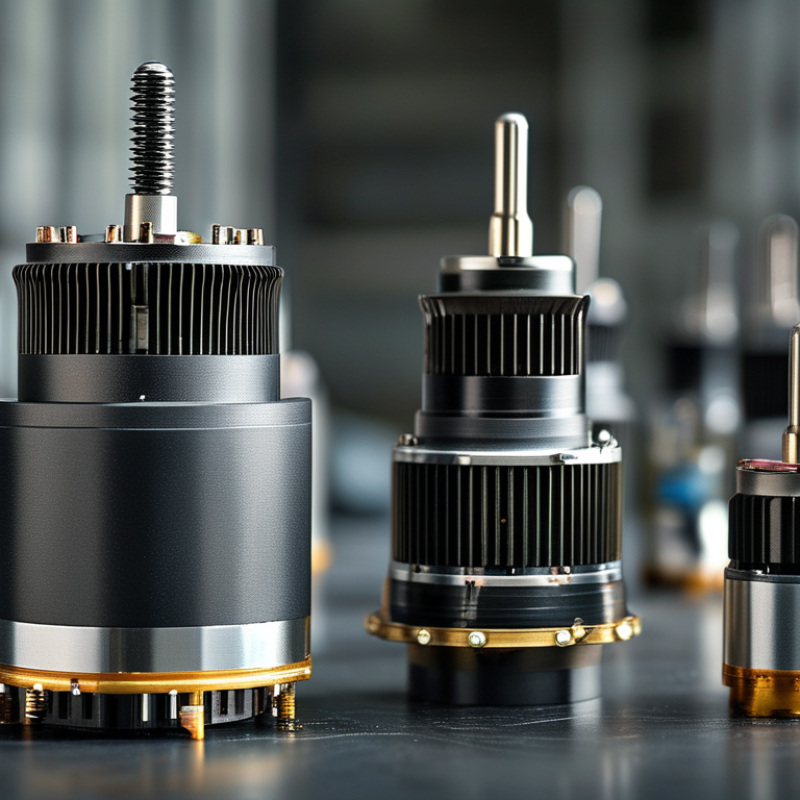
Top 5 DC Micro Vibration Motors for Global Buyers to Consider?

Top Features to Consider in DC Micro Vibration Motors

When selecting a DC micro vibration motor, focus on several key features. One major aspect to consider is size. These motors come in various dimensions. A compact design is essential for small devices. Verify the motor's dimensions to ensure it fits well in your design.

Another crucial feature is the voltage rating. Different applications may require different voltage levels. Ensure the motor can operate effectively at your specified voltage. This will influence the motor's performance and lifespan. The correct voltage will also minimize overheating and increase reliability.

Tips: Always assess the vibration frequency. This characteristic defines how responsive the motor will be. Matching the frequency to your application ensures optimal performance. Additionally, evaluate the torque output. The torque will determine how well the motor can move elements within a device.

Consider the material used in the motor's construction. High-quality materials enhance durability. They also resist wear over time. However, sometimes higher durability may add to costs. Balancing quality with budget is often challenging. Always compare options before making a decision.

Market Share and Growth Trends in the Micro Vibration Motor Industry

The micro vibration motor industry is witnessing notable growth, driven by increased demand across various sectors. According to a recent market report, the global micro vibration motor market is projected to reach USD 3.5 billion by 2025, expanding at a CAGR of 12% from 2023. This reflects strong adoption in consumer electronics, mobile devices, and automotive applications.

The competition in this industry is intensifying, with numerous players vying for market share. A significant trend is the integration of advanced technologies, such as IoT and AI, into micro vibration motors. These innovations enhance motor performance and energy efficiency. Data indicates that more than 40% of manufacturers are investing in R&D to improve motor designs, which could lead to increased market opportunities.

However, challenges persist. The reliance on a limited number of suppliers for raw materials can disrupt production lines. Additionally, fluctuations in demand from key markets, like smartphones, pose risks. Companies must navigate these uncertainties to maintain growth. Accurate forecasting and strategic planning will be vital in addressing potential market fluctuations and ensuring sustainable development in the coming years.

Comparative Analysis of Leading DC Micro Vibration Motor Brands

When evaluating DC micro vibration motors, a comparative analysis of leading brands reveals significant differences. It's essential to consider motor size and weight, as these factors affect device portability. A compact motor can fit in tighter spaces, making it ideal for various applications. However, smaller doesn’t always mean less powerful. Some smaller motors deliver impressive performance.

Another vital aspect is vibration intensity. Different motors provide varying levels of vibration. High-intensity motors are advantageous for specific applications, like mobile devices, providing tactile feedback. However, they may consume more energy. Conversely, low-intensity motors can extend battery life but may lack the desired user experience.

Durability is also crucial. Some motors perform well initially but fail under prolonged use. Choosing the right materials can enhance reliability. Temperature sensitivity can also affect performance. Understanding these nuances helps buyers make informed decisions. Evaluating these factors provides insight into the best motor options available.

Applications of DC Micro Vibration Motors Across Various Industries

DC micro vibration motors find applications across various industries due to their compact design and efficient performance. These motors are commonly used in consumer electronics like smartphones and wearable devices. In these applications, they enhance user experience with notifications and alerts. Medical devices also benefit from these motors, providing tactile feedback that assists in patient monitoring.

Tips: When selecting a vibration motor, consider the size and voltage requirements of your application. Ensure the motor's vibration frequency matches your needs. This precision enhances functionality.

In the automotive sector, these motors serve critical roles in haptic feedback systems and seat adjustments. Yet, not all motors perform equally. Some may lack durability, especially under constant use. Testing can highlight which motors offer the best reliability.

Tips: It's important to evaluate different motor configurations. Experimenting with prototypes can help identify potential issues early in development. This proactive approach can save time and resources.

Technical Specifications and Performance Metrics of Top Models

When selecting DC micro vibration motors, understanding technical specifications and performance metrics is crucial. Buyers should consider voltage, size, weight, and vibration frequency. These factors significantly impact the motor’s efficiency and compatibility with devices.

For example, a motor’s voltage range can affect its power consumption. A lower voltage may reduce energy costs but can limit performance. Additionally, size and weight considerations are paramount for compact devices. Ensure the chosen motor fits within designated spaces without compromising functionality.

Tips: Always review torque specifications. Torque influences the vibration strength crucial for applications like haptic feedback. It is also essential to gauge the operating lifespan of motors. A longer lifespan equates to reduced maintenance and replacement costs.

Vibration frequency is another critical metric. This affects how the motor interacts with the device. Different applications demand varying frequencies. Understand your application’s requirements to select the right frequency. Lastly, consider customer reviews or expert opinions for insights on reliability. Decisions can be improved through shared experiences.

Top 5 DC Micro Vibration Motors Performance Comparison

FAQS

: What should I consider when selecting a DC micro vibration motor?

: Focus on size, voltage rating, frequency, torque, and material quality. Each feature affects performance.

Why is motor size important?

A compact design fits small devices better. Size can impact the overall portability of your product.

How does voltage rating influence motor performance?

The correct voltage prevents overheating. It also enhances reliability and prolongs the motor's lifespan.

What role does vibration frequency play?

It defines the motor's responsiveness. Matching frequency to your application ensures better results.

Why does material quality matter in motor construction?

High-quality materials improve durability and reduce wear. However, this may increase costs, requiring careful budget management.

How do vibration intensity levels affect my application?

High-intensity motors offer better feedback but consume more energy. Low-intensity motors extend battery life but may be less engaging.

What issues can arise with motor durability?

Some motors may perform poorly over time. Testing different options can reveal the most reliable choices.

How can I ensure my selected motor meets my needs?

Evaluate size, voltage, frequency, and test prototypes. This helps identify any potential issues early in development.

Conclusion

DC Micro Vibration Motors are essential components in various industries, providing precise vibrations for applications ranging from consumer electronics to medical devices. When selecting a DC Micro Vibration Motor, buyers should consider key features such as size, vibration frequency, power consumption, and durability to ensure optimal performance for their specific needs.

The micro vibration motor market has shown significant growth, driven by increasing demand for small yet powerful solutions in technology and healthcare sectors. A comparative analysis of leading brands in this space reveals notable differences in technical specifications, including torque, voltage range, and design, which directly influence performance metrics. Understanding these factors is crucial for global buyers looking to adopt DC Micro Vibration Motors effectively across diverse applications.

Amelia

Amelia

Amelia is a seasoned marketing professional with a wealth of expertise in our company’s core offerings. With an unwavering passion for driving growth and innovation, she plays a pivotal role in shaping our marketing strategies and enhancing brand visibility. A key aspect of her responsibilities......