Zonix Motor Zonix Motor

How to Choose the Right Stepper Motor for Your Project?

Time:2026-07-27 Author:Charlotte
0%

Choosing the right stepper motor can greatly influence your project's success. A stepper motor provides precise control over movement, which is essential for various applications. Understanding how to select the correct one requires knowledge of specific requirements and specifications.

Various factors come into play when picking a stepper motor. You need to consider torque requirements, operating speed, and step angle. Each project has unique demands, and a common pitfall is overlooking these details. This can lead to poor performance or even project failure. Remember, a small miscalculation can have significant repercussions.

Experience plays a crucial role in this selection process. Not all stepper motors suit every situation. Some may perform well under one set of conditions and poorly under another. Identifying the right stepper motor requires careful thought and thoughtful assessment. It's a process filled with learning moments. Reflecting on past mistakes can lead to better decisions in future projects. Your choice of stepper motor can directly impact the overall effectiveness and reliability of your work.
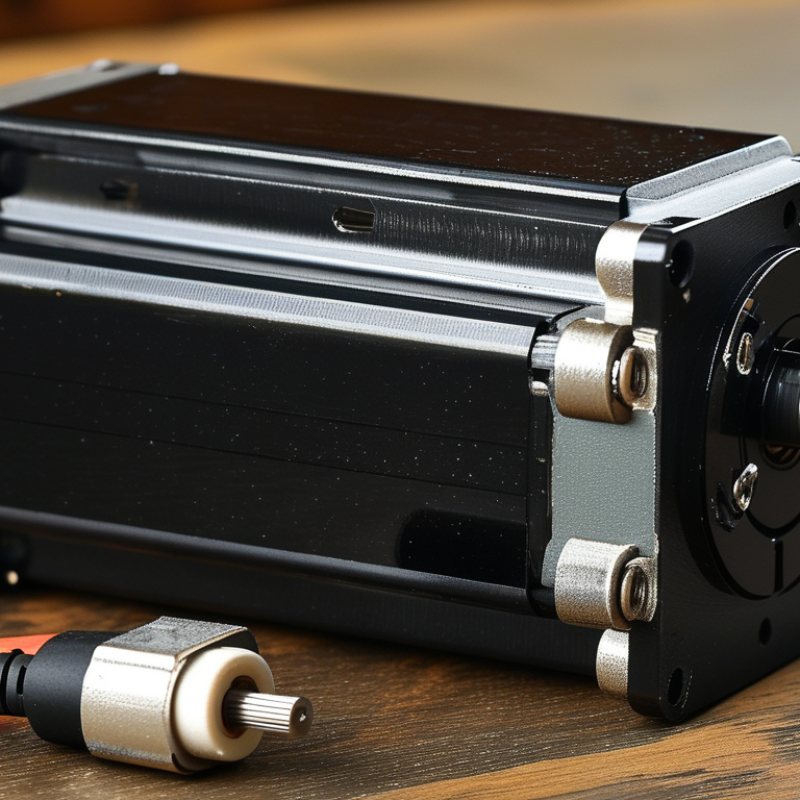
How to Choose the Right Stepper Motor for Your Project?

Understanding the Basics of Stepper Motors and Their Applications

Stepper motors are widely used in various applications due to their precision and reliability. Understanding their workings is essential for selecting the right motor for your project. These motors operate by dividing a full rotation into a series of discrete steps. The precision of stepper motors makes them ideal for positioning tasks in robotics, CNC machines, and 3D printing.

When choosing a stepper motor, consider the required torque and speed. Different projects demand different specifications. For lighter loads, a smaller motor may suffice. However, heavy or high-speed applications require more powerful motors. Calculating these needs early can save time and resources.

Tips: Always review the torque curve of the stepper motor. This will guide you on how a motor performs throughout its range. Additionally, avoid under-specifying your motor. It can lead to issues such as overheating or stalling. Sometimes, a minor adjustment to your design can greatly improve performance. Reflect on how your choice impacts the overall project—optimization is key.

Identifying Your Project Requirements for Motor Performance

Choosing the right stepper motor requires assessing your project's specific needs. Begin by evaluating torque requirements. According to industry reports, stepper motors offer varying torque levels. Ensure you select a motor that meets the demands without underpowering your application.

Next, consider the operating environment. For instance, high humidity can affect motor performance. Data indicates that approximately 30% of motor failures are linked to environmental factors. Analyze the conditions your motor will face. Will it be in a dusty or corrosive space? This information helps in selecting the appropriate motor type.

You should also look at the required speed and precision. Some reports suggest that motors with higher resolution provide better positioning accuracy. This is critical in applications like 3D printing or CNC machining. Yet, higher precision can sometimes lead to increased costs and complexity. Striking the right balance is essential for project success. Reflect on how much precision is genuinely needed.

How to Choose the Right Stepper Motor for Your Project? - Identifying Your Project Requirements for Motor Performance

Project Requirement Specification Stepper Motor Type Torque Rating (N·cm) Step Angle (degrees) Voltage (V)
3D Printing High precision and smooth movement Bipolar Stepper 45 1.8 12
Robotics High torque for lifting Unipolar Stepper 60 7.5 24
CNC Machines High step resolution for accuracy Hybrid Stepper 80 1.8 48
Automation Systems Constant speed and torque Bipolar Stepper 30 1.8 15
Textile Machinery Durability and reliability Unipolar Stepper 50 5 24

Comparing Different Types of Stepper Motors Available in the Market

When selecting a stepper motor for a project, understanding the different types is crucial. The market offers several options, including permanent magnet, variable reluctance, and hybrid stepper motors. Each type has its advantages and limitations. For example, permanent magnet stepper motors provide high torque at low speeds. However, they may struggle with high-speed applications.

Variable reluctance motors are lighter and less expensive. Yet, they tend to exhibit lower torque capabilities compared to their counterparts. Hybrid stepper motors combine features from both types. They deliver higher performance and better accuracy. A study by the International Journal of Robotics Research shows that hybrid stepper motors can achieve up to 85% efficiency in specific applications.

Choosing the right type hinges on the project's requirements. Applications demanding precision often benefit from hybrid motors. However, the higher cost may not suit every budget. Potential users should carefully analyze their needs. Weigh performance against cost; every decision impacts the end result. Understanding these dynamics can lead to more informed and effective choices in motor selection.

Evaluating Specifications: Torque, Voltage, and Step Angle

When selecting a stepper motor, it's essential to evaluate key specifications. Torque is a primary factor that determines the motor's ability to handle load. A higher torque rating means the motor can drive heavier loads. Understanding how torque interacts with your project's requirements is critical. Underestimating torque can lead to poor performance, while overestimating may result in unnecessary costs.

Voltage is another crucial specification. Different stepper motors operate at varying voltage levels. Operating beyond the recommended voltage can damage the motor. Conversely, too low voltage may not provide sufficient torque. It's important to assess how the motor's voltage aligns with your power supply. This can prevent performance issues.

Step angle affects the motor's precision. A smaller step angle means finer control over movement. This is vital for applications requiring high accuracy. However, smaller angles may complicate the control system. Consider the balance between precision and complexity. Each specification has its pros and cons. Properly reflecting on these criteria can lead to better decision-making.

Stepper Motor Specifications Comparison

Making the Final Selection: Factors to Consider for Your Project

Choosing the right stepper motor for your project is crucial. Consider torque requirements. Calculate the load and desired speed. Higher torque usually means a larger motor, but it also increases weight. Think about space constraints in your design as well. A small form factor can limit your options, forcing you to compromise on power.

Power supply is an essential factor too. Check voltage and current ratings. Insufficient power can lead to overheating and inefficient performance. Evaluate driver compatibility. Not all drivers work with every motor. Some might require specific configurations, leading to potential complexity.

Think about the environment as well. Will the motor be exposed to dust or moisture? Environmental factors can affect motor lifespan and performance. Also, take your project's lifespan into account. A reliable motor now can prevent future issues. Reflect on these details before making a decision. Each criterion plays a role in achieving success. What seems perfect today might not be viable tomorrow.

FAQS

: What are stepper motors used for?

: Stepper motors are used for precision tasks in robotics, CNC machines, and 3D printing.

How do you choose the right stepper motor?

Consider the required torque and speed for your application to select the appropriate motor.

What happens if you under-specify a motor?

Under-specifying a motor can lead to overheating, stalling, and overall poor performance.

What types of stepper motors are available?

There are permanent magnet, variable reluctance, and hybrid stepper motors, each with unique benefits.

Why is torque important when selecting a motor?

Torque determines a motor’s ability to handle loads; proper estimation is crucial for performance.

How does voltage affect motor performance?

Operating at incorrect voltage can damage the motor or reduce its torque capacity.

What is a step angle, and why is it significant?

Step angle determines movement precision; smaller angles offer finer control but can complicate systems.

How do hybrid stepper motors differ from others?

Hybrid stepper motors provide better accuracy and performance but may be more expensive than alternatives.

Should I focus on cost or performance when choosing a motor?

Evaluate your project's needs carefully; balancing cost and performance is essential for successful outcomes.

Why is it important to review a motor's torque curve?

Reviewing the torque curve helps you understand motor performance across its operational range, aiding decision-making.

Conclusion

Choosing the right stepper motor for your project is vital for achieving optimal performance. Understanding the basics of stepper motors, their various applications, and specific operational requirements is the first step. Identifying your project’s needs will help determine the appropriate motor performance, including factors like torque, voltage, and step angle.

There are several types of stepper motors available in the market, each with its own advantages and limitations. Evaluating the specifications of these motors is crucial to ensure they align with your project requirements. Finally, making the final selection involves considering additional factors such as size, weight, drive requirements, and control methods, ensuring that the chosen stepper motor will effectively meet your project's objectives.

Charlotte

Charlotte

Charlotte is a seasoned marketing professional with a deep understanding of the company's portfolio and a passion for elevating its presence in the market. With a keen eye for detail and a commitment to excellence, she ensures that our professional blog is regularly updated with insightful articles......