Zonix Motor Zonix Motor

How to Choose the Right Electric Gear Motor for Your Business?

Time:2026-08-26 Author:Ethan
0%

Choosing the right Electric Gear Motor is crucial for businesses aiming for efficiency and performance. According to a recent market report by Mordor Intelligence, the global electric motor market is projected to reach $151 billion by 2026, growing at a CAGR of 6.43%. This data highlights the increasing reliance on electric motors across various industries. Industry experts stress the importance of selecting the correct equipment to optimize operational workflows.

Dr. Samuel Brown, a leading authority in motor technology, states, "Understanding the specific application is vital for selecting the appropriate Electric Gear Motor." His insight emphasizes the necessity of aligning motor specifications with business needs. Consider the power output, torque, and efficiency. These factors directly impact performance and energy consumption.

Many businesses overlook these details. This can lead to underperformance or excessive energy costs. Selecting an Electric Gear Motor should involve careful evaluation of requirements. Reflecting on past choices can help avoid future mistakes. By prioritizing the right specifications, companies can enhance productivity and achieve long-term savings.
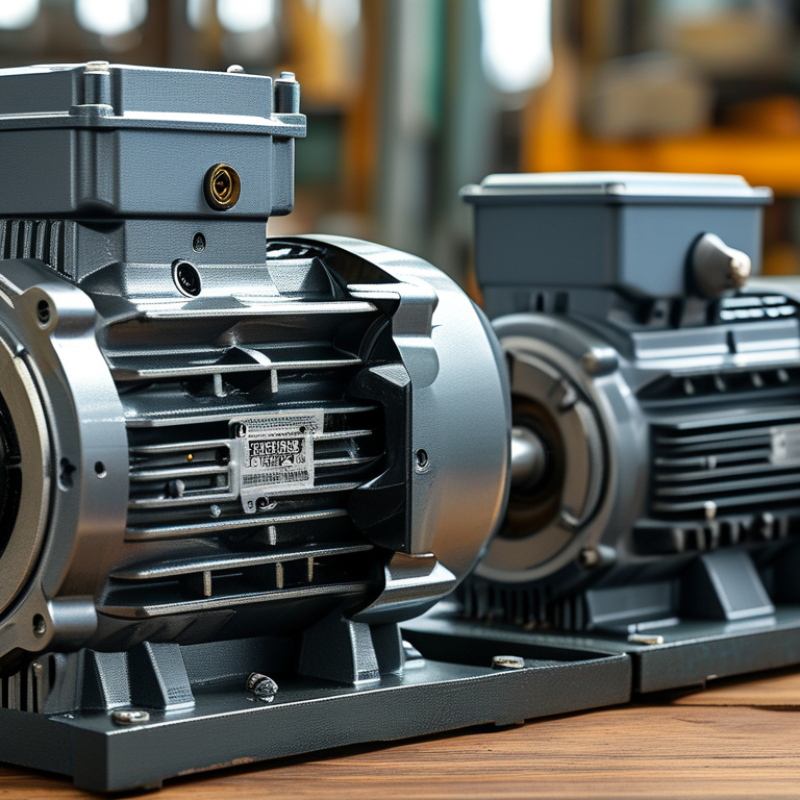
How to Choose the Right Electric Gear Motor for Your Business?

Understanding Electric Gear Motors: Basics and Types

Electric gear motors play a vital role in various industrial applications. Understanding the basics and types of these motors is crucial for making informed purchasing decisions. Typically, electric gear motors combine an electric motor with a gear reducer, optimizing torque and speed. According to a report by Grand View Research, the global electric motor market is projected to reach $150.5 billion by 2025, emphasizing the growing importance of these components in energy efficiency.

Different types of electric gear motors cater to specific applications. For example, permanent magnet motors provide high efficiency but can be sensitive to temperature changes. In contrast, induction motors are robust and versatile, ideal for heavier loads. Recent data indicates that induction motors account for about 47% of the total electric motor market share. This information is essential when considering the operational environment of your machinery.

While it’s easy to focus solely on horsepower and size, attention to detail is essential. Factors like gear ratio and mounting configuration often influence performance. Ignoring these elements may lead to mismatched systems, causing inefficiencies. For instance, a high gear ratio may boost torque but reduce speed significantly, complicating process requirements. Reflecting on these factors can greatly impact your selection process, ultimately leading to optimized performance for your operation.

Assessing Power Requirements for Your Application Needs

When selecting an electric gear motor, one crucial step is assessing your application's power requirements. Understanding the specific needs of your machinery helps avoid potential operational issues. Each application demands a different torque and speed, which directly influences the motor's selection. It’s vital to calculate the load conditions accurately. If the required output is misjudged, the motor may underperform or suffer from premature failure.

Identify the load type in your system. Is it constant or intermittent? If your loads vary significantly, consider a motor that can handle peak demands without overheating. Often, the motor size and power ratings seem straightforward but can lead to frustrating setbacks if not properly analyzed.

Consider the environment where the motor will operate. Harsh conditions may require a motor with specific enclosures or protection ratings. Ensure you account for factors such as temperature, humidity, and exposure to dust or chemicals. Regular maintenance is also essential for long-term reliability. You might overlook this, but investing time in routine checks can save significant costs down the road.

Evaluating Gear Ratios and Their Impact on Performance

Choosing the right electric gear motor involves understanding gear ratios. These ratios define how output speed and torque relate to the motor’s input. A high gear ratio means increased torque but decreased speed. Conversely, a low gear ratio delivers speed at the cost of torque. This balance is crucial, especially for machinery requiring precision.


When evaluating gear ratios, consider your application's unique demands. A conveyor system may need high torque to lift heavy loads. In contrast, a fan motor requires speed for optimal airflow. Think about your operational environment too. Factors like weight and temperature can affect performance and efficiency.


To delay purchases, review your long-term goals. You might find that a different gear ratio serves better as your operations change. Testing various motors in real scenarios can provide insights. Seek feedback from experienced technicians or engineers. Their insights may reveal nuances overlooked in technical specs.

Considering Environmental Factors in Gear Motor Selection

When selecting an electric gear motor for your business, environmental factors play a crucial role. Different settings require motors that can cope with specific conditions. For instance, if your operational area is prone to extreme temperatures, consider gear motors designed for thermal resilience. Moisture resistance is another factor; some environments expose motors to water or humidity, which can lead to damage if not designed appropriately.

Also, think about energy efficiency. In industries that prioritize sustainability, motors that consume less power can significantly reduce operational costs. Electric gear motors with high efficiency ratings are not only cost-effective but also align with eco-friendly practices. Assess your power sources and ensure your motor selection supports your environmental goals.

Reflecting on local regulations is important too. Some regions have stringent guidelines for emissions and energy use. Understanding these regulations can prevent future complications. Choosing the right motor isn't just about performance, but also about its long-term impact on both business and the environment.

Cost Analysis: Budgeting for Your Electric Gear Motor Needs

Choosing the right electric gear motor involves a careful cost analysis. Start by defining your budget. Knowing your financial limits helps narrow down options. A well-planned budget is essential. It ensures you consider not just the purchase price, but also installation and maintenance costs.

Take time to research different types of motors. Some are more energy-efficient, which can save you money in the long run. It's easy to overlook hidden costs, such as replacement parts and unexpected repairs. Always account for these when budgeting.

Evaluate the total cost of ownership. This includes energy consumption and longevity. A motor that seems cheaper initially might cost more to maintain. Reflect on your specific needs, as they can change over time. What works now may not be suitable later. Balancing immediate costs with future needs requires thoughtful consideration.

How to Choose the Right Electric Gear Motor for Your Business? - Cost Analysis: Budgeting for Your Electric Gear Motor Needs

Motor Type Power Rating (kW) Voltage (V) Efficiency (%) Estimated Cost ($)
Brushless DC Motor 1.5 24 90 250
AC Induction Motor 2.0 480 85 320
Stepper Motor 0.5 12 80 150
Geared DC Motor 1.0 36 88 200
Servo Motor 1.5 220 95 400

FAQS

: What are electric gear motors and why are they important?

: Electric gear motors combine an electric motor with a gear reducer. They optimize torque and speed for various industrial applications.

What types of electric gear motors exist?

Common types include permanent magnet motors and induction motors. Each type caters to specific operational needs and environments.

How do gear ratios affect motor performance?

Gear ratios define the relationship between output speed and torque. A high ratio increases torque but reduces speed, and vice versa.

What should I consider when evaluating gear ratios?

Think about your application's requirements, such as load weight and desired speed. Your operational environment plays an important role too.

Why is cost analysis important when choosing a motor?

It helps define your budget, accounting for purchase, installation, and maintenance costs. Consider long-term expenses, not just upfront prices.

How can hidden costs impact my budget?

Hidden costs, like replacements and repairs, can add up. Always account for these when planning your budget to avoid financial issues later.

Should I reassess my motor choice over time?

Yes, as operational needs can change, reconsidering your motor and gear ratio helps maintain optimal performance.

What should I do if I'm unsure about which motor to choose?

Testing different motors in real scenarios can help. Seeking advice from experienced technicians can provide valuable insights.

How important is the operational environment for motor selection?

Very important. Factors like temperature and weight can significantly affect performance and efficiency of electric gear motors.

Can a lower initial cost motor lead to higher long-term expenses?

Yes, a cheaper motor might require more maintenance or energy over time, leading to higher total costs.

Conclusion

Selecting the right Electric Gear Motor for your business involves a comprehensive understanding of their basics and types, ensuring that they meet your specific application needs. Begin by assessing the power requirements, as this will directly influence the motor's effectiveness. Additionally, evaluating gear ratios is crucial, as they determine the motor's performance and output speed.

Environmental factors should also be considered, as they can impact the durability and functionality of the gear motor in various conditions. Finally, conducting a cost analysis is vital for budgeting, ensuring that the selected Electric Gear Motor aligns with financial constraints while meeting performance expectations. By following these guidelines, you can make an informed decision that optimizes your business operations.

Ethan

Ethan

Ethan is a seasoned marketing professional with a deep expertise in our company's innovative product line. With a passion for sharing knowledge and insights, he takes the lead in regularly updating our corporate blog, where he explores industry trends, product features, and effective marketing......