Zonix Motor Zonix Motor

What Is the Best Variable Speed Motor from China?

Time:2026-09-30 Author:Oliver
0%

Choosing the best Variable Speed Motor from China starts with the job it must perform. A motor for a small conveyor has different needs from one driving a pump or packaging line. Speed range, load changes, operating hours, and ambient temperature all affect the choice. So does the controller: confirm that the motor and drive are designed to work together. A low purchase price can look attractive, but it may not reflect energy use, maintenance, or downtime over the motor’s service life.

There is no single best supplier for every buyer. Not even close. Compare rated power, torque across the required speed range, insulation, cooling method, and stated duty cycle. Ask for clear test reports and traceable model details, then check that claimed certifications match the destination market and intended application. When possible, review a sample or arrange a practical load test. Listen for unusual vibration, note temperature rise, and verify the actual speed response. Small details matter.

Supplier support deserves equal attention. Ask who handles commissioning questions, replacement parts, and warranty claims, and how quickly they respond. A polished catalog is useful, but it cannot prove consistent production quality by itself. I would treat vague specifications as a reason to pause, not as evidence of poor workmanship. The right choice is the motor that meets your operating requirements, comes with verifiable documentation, and is backed by support you can realistically access. That sounds simple. In practice, buyers sometimes focus on price and overlook fit. The following guide explains how to compare options carefully.
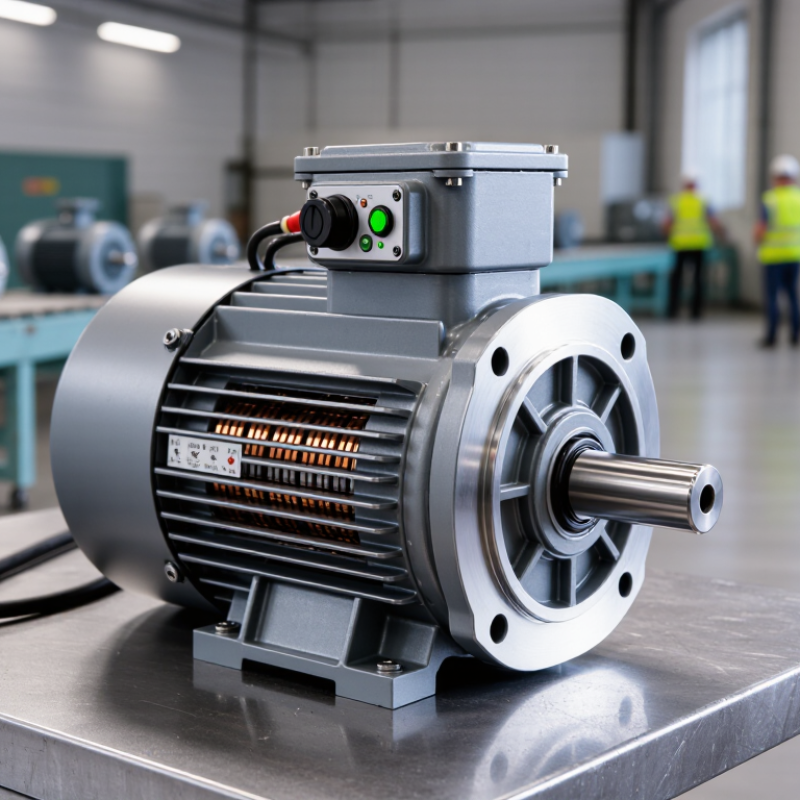
What Is the Best Variable Speed Motor from China?

What Is a Variable Speed Motor?

What Is a Variable Speed Motor?

A variable speed motor is designed to operate at different rotational speeds instead of running at one fixed rate. In many industrial systems, speed changes through an inverter, also called a variable frequency drive, which adjusts the electrical frequency supplied to the motor. The motor and drive work as a system. They are not always interchangeable parts.

This control can help match a motor’s output to the task.

A conveyor may move slowly during loading, then run faster when production increases. A pump can reduce speed when less flow is needed. Less noise, too. In some applications, adjusting speed may reduce energy use, but the actual result depends on the load, drive settings, and operating hours.

When choosing a variable speed motor, check its power, torque range, cooling method, and compatibility with the drive. A motor running slowly for long periods may need special cooling because its own fan also turns more slowly. That detail is easy to overlook. Installation conditions matter as well: dust, moisture, and frequent speed changes can affect performance. A clear specification sheet helps buyers compare options from China and elsewhere, though stated ratings should be checked against the real application.

How Chinese Variable Speed Motors Work

What Is the Best Variable Speed Motor from China?

How Chinese Variable Speed Motors Work

A variable speed motor changes its rotational speed to match a machine’s needs. In many industrial systems, an inverter adjusts the frequency and voltage supplied to an AC motor. Lower frequency usually means lower motor speed. A sensor or controller can then respond to changing pressure, flow, or load.

Picture a pump filling a tank: as demand falls, the controller slows the motor instead of forcing excess water through a throttled valve. It is a practical difference.

The International Energy Agency’s 2011 report, Energy-Efficiency Policy Opportunities for Electric Motor-Driven Systems, estimates that motor-driven systems use about 45% of global electricity. That figure covers many motor applications, not variable speed motors alone. The potential savings depend on the machine and operating pattern.

Fans and pumps often benefit when their speed varies; a conveyor running steadily may benefit less. Chinese-made options should be assessed by motor efficiency data, inverter compatibility, rated operating range, and test documentation—not country of origin alone.

Check the duty cycle, too. A specification sheet can look convincing, yet installation quality and control settings affect real performance.

And there is no perfect match. Test the motor under the actual load when possible.

Key Types of Variable Speed Motors Made in China

China-made variable speed motors include several distinct types. Inverter-duty induction motors are common in pumps, fans, conveyors, and workshop machinery. A variable-frequency drive adjusts their speed by changing the power supply frequency. They are often practical for steady industrial loads. Check the motor’s insulation, cooling method, and low-speed torque rating before choosing one. A motor that runs slowly for hours may need separate cooling. Small detail. Big impact.

Permanent-magnet synchronous motors can offer high efficiency and compact size, especially where space is limited. Brushless DC motors suit applications needing responsive speed control, such as compact equipment and automated devices. Geared variable speed motors combine a motor with a reducer, helping deliver slower output and higher torque for moving loads. The categories sometimes overlap in supplier descriptions, so compare specifications rather than relying on labels alone. Look for rated speed range, torque curve, duty cycle, protection rating, and control compatibility. A sample test under the actual load can reveal vibration or heating that a catalogue will not show. No type is best for every job. The right choice depends on the load and operating conditions.

What Is the Best Variable Speed Motor from China? — Key Types of Variable Speed Motors Made in China

There is no single best motor for every application. Common options include inverter-duty induction motors for general industrial use, permanent-magnet synchronous motors for high efficiency, BLDC motors for compact equipment, servo motors for precise motion control, and switched-reluctance motors for applications prioritizing a robust rotor design.

Reference: The chart shows synchronous speed at 50 Hz for common induction-motor pole counts, calculated using speed = 120 × frequency ÷ number of poles. An inverter varies an AC motor’s speed by changing the supply frequency; actual operating speed can differ due to motor design and load.

How to Compare Chinese Variable Speed Motor Manufacturers

When comparing Chinese variable speed motor manufacturers, start with the operating conditions, not the catalogue headline. Share the required speed range, load profile, duty cycle, ambient temperature, and mounting arrangement. Then compare torque curves and efficiency data at the speeds your machine actually uses. A motor rated for a wide speed range may still lose useful torque at low speed. Numbers matter.

Ask how each supplier verifies performance. Request test records for temperature rise, vibration, insulation, and operation with the intended drive. Check whether the motor and inverter have been tested together; a mismatch can cause noise, overheating, or unstable speed. A sample run under realistic load is more informative than a neat brochure. Ask for spare-part availability, production lead times, and clear technical support after delivery.

Factory audits and quality-system documents can add confidence, but they do not replace product-level evidence. Confirm that the documents match the proposed model and configuration. Compare communication, too: precise answers about shaft dimensions or cooling often reveal more than quick promises. No checklist catches every mismatch. I would still leave room for a pilot order, because even careful specifications can miss a detail on the shop floor.

Choosing the Best Motor for Your Application

What Is the Best Variable Speed Motor from China?

Choosing the Best Motor for Your Application

The best motor is the one that matches the work, not simply the highest-rated model. Start with the load: a conveyor carrying uneven boxes needs different torque behavior from a fan running steadily. Check required speed range, starting torque, duty cycle, and expected operating hours. These details help narrow the motor type and control method.

Measure the space, too. A motor that fits the catalog dimensions may still clash with a guard or coupling. Note the supply voltage, mounting position, shaft size, and surrounding temperature before comparing specifications.

Ask for rated output, efficiency data, insulation details, and test records; clear documentation makes a supplier easier to assess. For dusty or damp areas, confirm the enclosure rating suits the actual conditions.

Keep some margin. But not too much. Oversizing can raise purchase and operating costs, while an undersized motor may overheat under frequent starts. Variable-speed performance also depends on the drive, cooling, and load profile, so judge the motor and control system together. I would verify the proposed setup against real operating conditions, then review it with a qualified technician. One detail is often missed: at low speed, some motors receive less cooling from their own fan.

FAQS

What is a variable speed motor?

It runs at different rotational speeds rather than one fixed rate. An inverter often changes the electrical frequency supplied to the motor.

How does an inverter control motor speed?

It adjusts the frequency and voltage supplied to an AC motor. Lower frequency usually means lower speed.

Where can variable speed motors be useful?

Pumps, fans, and conveyors may use them. For example, a pump can slow down when water demand falls.

Can changing motor speed reduce energy use?

It may, especially for fans and pumps with changing demand. Savings depend on the load, settings, and operating hours.

Do all machines benefit equally from variable speed control?

No. A conveyor running steadily may gain less than a pump handling changing flow. It depends.

What should I check when choosing a motor and drive?

Check power, torque range, cooling method, drive compatibility, and the rated operating range. Review test documents, too.

Why does slow operation affect cooling?

The motor’s own fan may also turn more slowly. Long periods at low speed can require a special cooling method.

Are efficiency figures enough to predict real performance?

Not always. Installation quality and control settings matter, so test the motor under its actual load when possible.

Does the motor’s country of origin determine its suitability?

No. Compare efficiency data, compatibility, ratings, and documentation against the machine’s needs. A specification sheet can still be incomplete.

Conclusion

A Variable Speed Motor adjusts its operating speed to match changing workload demands, helping improve process control, reduce energy use, and support smoother equipment operation. Chinese manufacturers produce several types, including variable-frequency motors, geared motors with speed-control systems, and mechanical variable-speed motors. These designs differ in how they regulate speed, their available torque, control precision, and suitability for particular working conditions.

When comparing manufacturers, consider product specifications, build quality, efficiency, customization options, technical documentation, testing practices, and after-sales support. The best choice depends on the application rather than on a single universal ranking. Assess the required speed range, load characteristics, duty cycle, installation environment, and control system, then compare suitable models against those needs. Careful evaluation helps identify a motor that offers reliable performance, practical integration, and appropriate long-term operating costs.

Oliver

Oliver

Oliver is a seasoned marketing professional with a wealth of expertise in driving brand awareness and engagement. With a deep understanding of our company's product offerings, he consistently delivers high-quality content that enriches our professional blog. His insights not only shed light on......