Zonix Motor
The world of DC motors is vast and intricate. As global buyers look to 2026, understanding the various types of DC motors becomes essential. Dr. Emily Martinez, a leading expert in motor technology, notes, "Choosing the right DC motor can significantly enhance efficiency and performance." This statement emphasizes the importance of making informed decisions.
DC motors are widely used in industries worldwide. From electric vehicles to robotics, their applications are diverse. However, not all DC motors are created equal. Buyers must consider factors like power requirements, size, and efficiency. Each type offers unique advantages, yet can also pose challenges if not matched correctly to the needs of the application.
As we navigate through the different options, it's crucial to reflect on both the benefits and drawbacks of each motor type. There is much to learn. Some buyers may rush into a decision, overlooking critical specifications. A well-considered choice can lead to significant improvements, while a careless one could result in costly setbacks. Understanding the landscape of DC motors is key for informed purchasing.
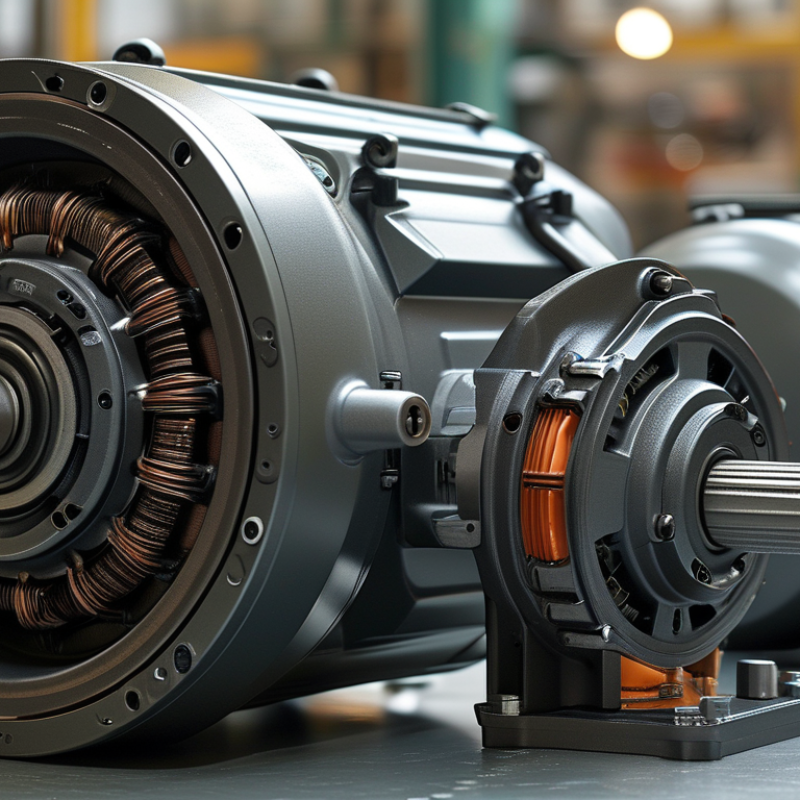
When choosing the right DC motor in 2026, buyers must consider several popular types. One type is the brushed DC motor. Known for its simplicity, it has a straightforward design. These motors are easily controlled and cost-effective. However, they require more maintenance and have a shorter lifespan due to brush wear.
Another option is the brushless DC motor. It provides higher efficiency and durability. Without brushes, it generates less heat, leading to improved performance. While they may have a higher initial cost, their long-term benefits are significant. Users must weigh these factors based on their specific applications.
Buyers should also explore stepper motors. These motors offer precise control over rotation. They are commonly used in 3D printers and robotics. However, they can become complex in control systems. Consumers need to evaluate their needs carefully and choose accordingly. The selection process may require adjustments to meet unique demands.
The projected growth of the DC motor industry by 2026 is significant. Analysts anticipate a rise in demand across various applications. Factors driving this include automation and renewable energy. As industries innovate, the need for efficient motors increases. This trend creates opportunities for manufacturers.
DC motors are transforming diverse sectors. They play a critical role in robotics, automotive, and consumer electronics. Innovations such as brushless designs enhance efficiency. However, some engineers express concerns about reliability in high-stress environments. Understanding these challenges is essential for informed purchasing.
Emerging markets are also crucial. Demand in Asia-Pacific is skyrocketing. The region’s investment in manufacturing drives motor usage. However, fluctuating material costs can pose risks. Companies must navigate these uncertainties carefully to stay competitive in this evolving landscape.
When selecting DC motors, understanding key specifications is crucial for making informed decisions. The voltage rating is one of the primary considerations. It determines the power source for the motor and affects torque performance. For instance, motors in the range of 12V to 48V are commonly used in various applications due to their balance of power and efficiency.
Another important specification is the motor's torque. For many applications, a higher torque ensures better performance, especially in lifting or driving heavy loads. According to industry reports, motors with a stall torque rating of over 5 Nm are often preferred in robotics and automation sectors. Additionally, the speed rating, measured in RPM, indicates how fast the motor can operate. Higher RPM ratings are vital for devices requiring rapid movements, such as drones or miniature vehicles.
Efficiency is also a significant factor. Many DC motors will have efficiencies ranging from 70% to over 90%. A more efficient motor reduces energy consumption, which can lead to lower operating costs. However, it's essential to note that achieving high efficiency often requires a more complex design, potentially increasing initial costs. Buyers should weigh these trade-offs carefully, especially in applications where budget constraints are present.
DC motors play a crucial role across various industries, offering efficient solutions in 2026. The automotive sector relies heavily on these motors for electric vehicle propulsion. According to industry reports, the global DC motor market is projected to reach \$30 billion by 2026. This growth reflects the increasing demand for automated and electric systems.
In manufacturing, DC motors drive conveyor belts and robotic arms. Their precision enhances productivity and reduces operational costs. The medical industry also utilizes DC motors in devices like pacemakers. These applications demonstrate the versatility and reliability of DC technology. However, the market still grapples with issues like energy efficiency. Improving motor design could lead to significant energy savings.
Tip: Always consider the specific power requirements of your application. DC motors come in various configurations, from brushed to brushless. Each type has its strengths and weaknesses. Evaluating these can help in making informed decisions.
DC motors also contribute to renewable energy solutions. They are integral in wind turbine systems, optimizing energy conversion. However, challenges like cost and maintenance persist. Industry players must continually innovate to make these solutions more accessible.
This chart illustrates the popularity and applications of various types of DC motors across different industries in 2026. The data reflects the estimated usage of each motor type in sectors such as automotive, robotics, and manufacturing.
The global market for DC motors is evolving rapidly. According to a recent industry report, the average price of a basic brushed DC motor ranges from $10 to $100. In contrast, brushless DC motors can cost anywhere from $50 to $300, depending on specifications. The variations in price stem from differences in efficiency, lifespan, and manufacturing complexity.
Evaluating costs involves more than just upfront prices. Maintenance costs for brushed motors tend to be higher due to wear and tear. Replacing brushes regularly can add to overall expenses. Brushless motors, while more expensive initially, offer reduced maintenance. They typically last longer and can lead to lower operational costs over time. This makes them appealing for industries requiring reliability and longevity.
Buyers must reflect on their specific needs. For example, an application with high cycle rates may benefit from the efficiency of brushless motors despite the higher cost. On the other hand, for simple automation tasks, a brushed motor might suffice. Understanding these nuances is vital for making informed purchasing decisions in the dynamic world of DC motors.
: Several industries rely on DC motors, including automotive, manufacturing, and medical sectors.
DC motors provide propulsion for electric vehicles, making them essential in the automotive sector.
Basic brushed DC motors cost between $10 and $100, while brushless motors range from $50 to $300.
Maintenance affects overall costs, as brushed motors need regular brush replacements, increasing expenses.
They play a key role in wind turbine systems, optimizing energy conversion but face challenges like costs.
Buyers should evaluate power requirements and application specifics to choose the right motor type.
Yes, though pricier upfront, brushless motors offer longer lifespans and reduced maintenance costs.
The market deals with issues like energy efficiency and the need for improved motor design.
DC motors drive conveyor belts and robotic arms, improving precision and reducing operational costs.
The global DC motor market is expected to reach $30 billion by 2026, reflecting rising demand.
The article titled "2026 Best DC Motor Types for Global Buyers to Consider" provides a comprehensive overview of the various types of DC motors available in the market. It highlights the projected growth of the DC motor industry by 2026, indicating a rising demand across several sectors. Potential buyers are guided on key specifications to consider, such as torque, speed, and efficiency, ensuring optimal selection based on their specific applications.
Furthermore, the article explores the diverse applications of DC motors in industries ranging from automotive to robotics. It concludes with a cost analysis, offering insights into the price points of different DC motor types, helping buyers make informed investment decisions. Overall, this guide is essential for global buyers looking to navigate the evolving landscape of DC motors effectively.
