Zonix Motor Zonix Motor

2026 Best Compact Gear Motor Types for Global Buyers

Time:2026-10-05 Author:Sophia
0%

In 2026, global buyers are choosing smaller drive systems for robotics, medical devices, packaging equipment, and automated conveyors. A Compact Gear Motor must deliver more than reduced dimensions. It should provide stable torque, quiet operation, efficient transmission, and predictable service life.

The International Energy Agency reports that electric motor-driven systems consume more than half of global electricity. This figure makes efficiency a purchasing priority, not a marketing detail. Grand View Research and MarketsandMarkets also identify continued growth in gear motor demand, supported by factory automation, logistics, and smart manufacturing. However, most reports group compact products with broader gear motor categories. That limitation deserves attention.

The right choice depends on real operating conditions.

A 40-millimeter housing may fit a machine perfectly. Yet, inadequate thermal capacity can shorten its life. A high reduction ratio may increase torque. It can also reduce speed and raise backlash. Buyers should compare rated torque, duty cycle, gearbox type, noise level, ingress protection, voltage compatibility, and replacement support.

Eugen Elmiger, a recognized motor industry executive and former maxon CEO, has described the company’s role as “a solution provider, not just a component supplier.” That perspective matters for international purchasing. A reliable supplier should provide drawings, test data, customization support, and documented quality controls.

Small does not mean simple.

This guide compares the best Compact Gear Motor types for global buyers in 2026. It also examines overlooked issues, including thermal performance, certification requirements, shipping conditions, and after-sales service. Some recommendations may change when machine data is incomplete. That is the uncomfortable part. A compact motor selected from a catalog can still become the weakest component in the entire system.
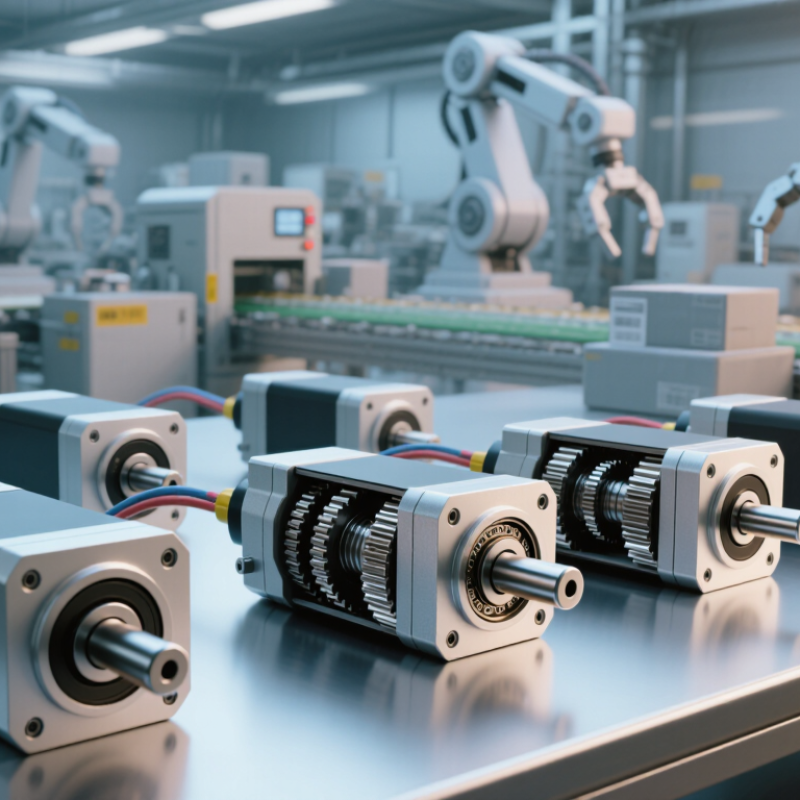
2026 Best Compact Gear Motor Types for Global Buyers

Compact Gear Motors: Definitions, Ratios, Torque, and 2026 Market Criteria

Compact gear motors combine a motor and gearbox in one housing. They deliver controlled speed, higher torque, and simpler installation. Common types include spur, helical, planetary, worm, and bevel gear motors. Spur units suit low-cost conveyors, while planetary designs provide high torque in a small space. Worm gear motors offer strong reduction, but their efficiency can fall during continuous operation.

Gear ratio determines output speed and torque.

A 20:1 ratio may reduce a 1,800 rpm motor to roughly 90 rpm, before slip and losses. Output torque also depends on motor power, gearbox efficiency, and service factor. Buyers should check continuous torque, starting torque, radial load, noise, thermal limits, and duty cycle. Small housings can hide large heat problems.

The International Energy Agency reports that electric motor systems consume about 50% of global electricity. That figure makes efficiency a serious 2026 purchasing criterion, not a decorative specification. Buyers should compare measured efficiency, standby consumption, insulation class, ingress protection, and repair access. MarketsandMarkets identifies automation, material handling, and energy-efficient equipment as major gear motor demand drivers. I would not choose the highest ratio automatically. It may create slower motion, greater heat, and poorer control. A short factory trial remains valuable. Some catalog torque values still look optimistic.

DC, BLDC, AC, and Stepper Gear Motors Compared by Speed and Efficiency

2026 Best Compact Gear Motor Types for Global Buyers

Compact gear motors rarely deliver their advertised efficiency under every condition. Load, gearbox ratio, duty cycle, and controller quality can change the result. Buyers should compare measured output speed, torque, current draw, and thermal rise, not motor speed alone.

DC gear motors remain practical for low-cost equipment and simple speed control. They offer strong starting torque, but brushed designs create wear and electrical noise. BLDC gear motors usually provide better efficiency, longer service life, and steadier operation at medium or high speeds. They need electronic commutation, which increases system complexity. In a compact conveyor, a BLDC unit may reduce heat around the motor housing. Not always.

AC gear motors suit fixed-speed machinery and continuous industrial duty. Their efficiency is dependable when matched with the correct frequency and load, but compact versions may need more installation space. Stepper gear motors excel when controlled positioning matters. They can hold a shaft accurately without feedback, yet efficiency falls at higher speeds. A stepper may also lose torque unexpectedly when acceleration settings are too aggressive.

Real selection work should include a test under the buyer’s actual load. Measure output speed after warm-up, because cold readings can mislead. Review noise, backlash, ingress protection, and expected operating hours. I would also question catalog efficiency figures when they omit gearbox losses. That omission is common. A reliable supplier should provide curves, tolerances, test conditions, and replacement guidance for the intended market.

Planetary, Worm, Helical, and Spur Designs: Data-Based Performance Differences

Compact gear motors differ sharply when torque, speed, heat, and installation space compete. Planetary designs deliver high torque density through several meshing gears. They often reach 85–95% efficiency, depending on stages, lubrication, and load. Their compact housing suits robotics, conveyors, and battery-powered equipment. However, extra stages increase cost and may raise backlash.

Worm gear motors provide strong reduction in one compact arrangement. Efficiency can fall near 40–70% at high ratios, especially with poor alignment. Heat matters. Their sliding contact wastes energy, but it can create useful holding resistance when designed correctly. Helical gear motors usually offer smoother engagement, lower noise, and roughly 80–95% efficiency. They need more axial space and careful thrust-bearing selection.

Spur gear motors remain simple and economical. Typical efficiency may range from 70–90%, but noise and wear increase at higher speeds. I have found that catalog figures can mislead without temperature, duty-cycle, and load data. A motor tested for ten seconds is not equivalent to one running eight hours daily. Buyers should compare output torque at the actual speed, not the headline ratio. Sealing, voltage tolerance, spare-part access, and local service also affect global purchasing decisions. It depends. Perfect data is rare.

IEC 60034, IP Ratings, Duty Cycles, and Global Motor Compliance Requirements

Selecting a compact gear motor for global equipment requires more than comparing torque and price. IEC 60034 provides a useful framework for motor ratings, efficiency, temperature rise, and operating conditions. Check whether the stated output matches the actual installation environment. A motor rated for continuous operation may perform poorly under repeated starts, stops, and load changes.

IP ratings describe enclosure protection against dust and water. IP54 may suit a clean indoor machine, while washdown areas often require stronger protection. The rating is not a complete environmental guarantee. Cable glands, connectors, and mounting positions can weaken real-world protection. Small details matter.

Duty cycle deserves careful measurement.

Record running time, rest time, peak torque, ambient temperature, and daily starts. A compact motor can overheat when a short cycle repeats hundreds of times. I have seen designs pass a bench test but fail after heat accumulated inside a tight enclosure.

That lesson is easy to overlook.

The selected motor should also match local voltage, frequency, insulation class, braking needs, and control method. Confirm required documentation, marking, testing records, and conformity procedures for each destination market. Requirements can differ between regions, even when the machine appears identical.

Leave a practical safety margin, but avoid oversizing without evidence. Oversizing can reduce efficiency and increase starting stress. Specification sheets help, but measured operating data is more reliable.

Global Buyer Selection: Voltage, Torque, Noise, Lifespan, and TCO Metrics

For global buyers in 2026, compact gear motors should be selected by application data, not catalog size. Spur gearboxes suit cost-sensitive, moderate-load devices. Planetary designs deliver higher torque density and better shock resistance. Worm gears offer strong reduction and holding behavior, but efficiency and heat need careful review. Helical units often reduce noise while maintaining useful efficiency.

Voltage must match the local supply and controller range. Confirm rated voltage, tolerance, startup current, and insulation class. Torque figures should include acceleration, friction, and peak loads. A motor producing 0.8 N·m continuously may fail when a conveyor starts under load. Measure output speed at the actual voltage, not only at no-load conditions. Small details matter.

Noise is often measured at one meter, yet an enclosed product may amplify gear chatter. Ask for loaded dB data and test conditions. Lifespan depends on duty cycle, temperature, lubrication, bearings, and shock. Request L10 bearing life or validated operating hours, but treat optimistic figures carefully. TCO includes energy use, controls, spare units, service labor, and downtime. A cheaper motor can become expensive after repeated replacements. I would challenge any comparison that ignores thermal limits. Real-world data is rarely perfect, and that uncertainty belongs in the purchasing decision.

FAQS

What is a compact gear motor?

It combines an electric motor and gearbox inside one housing. It provides controlled speed, higher torque, and simpler installation. Space stays compact.

How does a gear ratio affect speed and torque?

A 20:1 ratio can reduce 1,800 rpm to roughly 90 rpm before losses. Higher ratios usually increase output torque. They may also create more heat and slower movement.

Which gear motor type suits a compact application?

Spur units suit moderate loads and cost-sensitive equipment. Planetary units provide high torque in limited space. Worm units offer strong reduction and holding behavior. Helical units often reduce operating noise.

What torque information should buyers check?

Check continuous torque, starting torque, acceleration needs, friction, radial load, and peak loads. A motor producing 0.8 N·m continuously may fail during conveyor startup. Catalog torque can look optimistic.

Why are efficiency and thermal limits important?

Motor systems consume substantial electricity worldwide, making efficiency a serious purchasing factor. Compare measured efficiency, standby consumption, insulation class, and heat limits. Small housings can hide serious thermal problems.

How should voltage and speed be verified?

Match rated voltage with the local supply and controller range. Confirm voltage tolerance, startup current, and insulation class. Measure output speed at operating voltage, not only without load. Small details matter.

How can gear motor noise and lifespan be evaluated?

Request loaded noise data, including the testing distance and conditions. Enclosures may amplify gear chatter. Lifespan depends on duty cycle, temperature, lubrication, bearings, and shock. Ask for L10 bearing life or validated operating hours.

What should total cost of ownership include?

Include energy use, controllers, spare motors, service labor, repairs, and downtime. A cheaper unit may cost more after repeated replacements. A short factory trial remains valuable. Real-world data is rarely perfect.

Conclusion

This guide to the 2026 Best Compact Gear Motor Types for Global Buyers explains how a Compact Gear Motor combines a motor and gearbox to deliver controlled speed, torque, and efficient power transmission in a small package. It compares DC, BLDC, AC, and stepper gear motors by speed control, efficiency, operating characteristics, and application suitability. It also examines planetary, worm, helical, and spur gear designs, highlighting practical differences in torque density, noise, backlash, durability, heat management, and transmission efficiency.

For international purchasing decisions, the article outlines key compliance and performance considerations, including IEC 60034 principles, IP protection ratings, duty cycles, voltage compatibility, and operating environments. It presents a buyer-focused framework for evaluating rated torque, startup performance, noise, expected lifespan, maintenance needs, energy consumption, and total cost of ownership. By balancing mechanical performance, electrical requirements, reliability, and regulatory documentation, readers can select a compact gear motor that supports consistent operation across diverse global applications.

Sophia

Sophia

Sophia is a dedicated marketing professional with an exceptional depth of knowledge about her company's products and services. With a keen understanding of market trends and customer needs, she crafts insightful blog posts that not only inform but also engage readers, enriching the company’s online......